Free Camping Australia: Your Ultimate Guide for the Big Lap Adventure
Unlock the secrets to free camping across Australia for your Big Lap! Discover amazing spots and save big on accommodation.
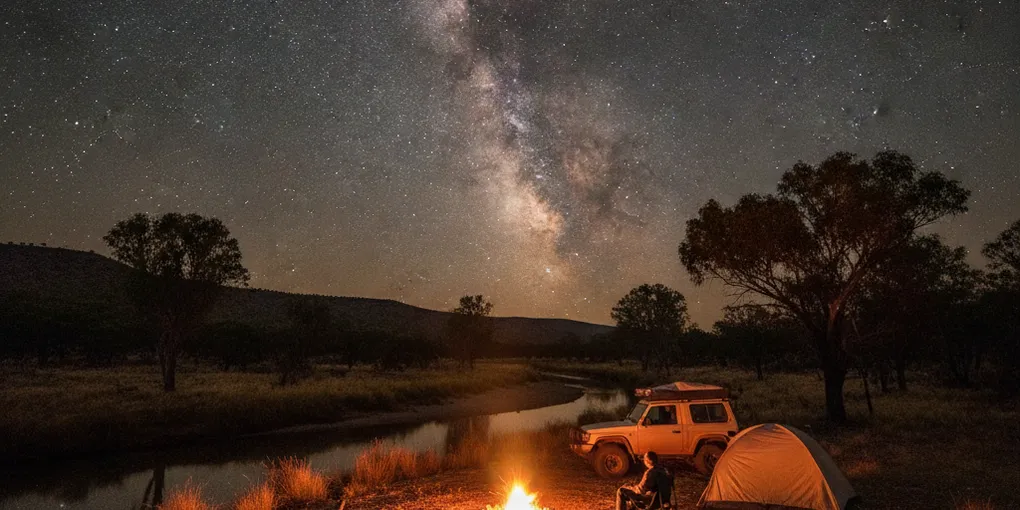
Free Camping Australia: Your Ultimate Guide for the Big Lap Adventure
Ready to embark on the ultimate Australian road trip, the Big Lap, without breaking the bank? Free camping is your ticket to experiencing the vast beauty of this incredible country while keeping your wallet happy. This guide will equip you with everything you need to know about finding and enjoying free campsites across Australia, with a special shout-out to some of our favourite resources.
What Exactly is Free Camping in Australia?
Free camping, often referred to as ‘bush camping’, ‘low-cost camping’, or ‘designated free camping areas’, means you can stay overnight without paying a fee. These campsites are typically managed by local councils, national parks, or state forests and are designed to encourage responsible tourism and exploration. While they don’t come with the amenities of caravan parks, they offer an unparalleled connection to nature and an authentic outback experience.
Finding Free Campsites: Your Essential Toolkit
Discovering these hidden gems requires a bit of planning and the right tools. Fortunately, there are several excellent resources available to help you find the best free camping spots on your Big Lap journey.
The Lap Club Explore Map: Your New Best Friend
For anyone planning a Big Lap, The Lap Club is an invaluable resource, and their Explore Map is a game-changer for finding free camping. This interactive map is populated with user-generated data and curated information, highlighting a vast array of free campsites across the continent. You can filter by location, amenities (or lack thereof!), and even read reviews from fellow travellers. It’s incredibly intuitive and designed by people who understand the nuances of travelling Australia.
Navigating Australia’s immense landscapes becomes significantly easier when you have a reliable tool at your fingertips. The Lap Club Explore Map is constantly being updated by the community, meaning you’ll find current information on accessible and popular free camping locations.
Other Essential Free Camping Resources
While The Lap Club Explore Map is a star, a well-rounded approach to finding campsites involves leveraging a few different tools.
- Hema Maps: Hema produces detailed road atlases and digital mapping solutions that are a staple for many outback travellers. Their maps often highlight designated camping areas, including free options.
- WikiCamps Australia: This is a highly popular paid app and an absolute must-have for many Big Lappers. It has a comprehensive database of campsites, including free ones, with detailed information and user reviews.
- CamperMate: Another fantastic app that provides a wealth of information on campsites, including free options, as well as points of interest, dump points, and more.
- State and Local Government Websites: Many local councils and state park authorities will list designated free camping areas on their official websites. A quick search for “[State Name] free camping” can often yield great results, especially for specific regions you’re travelling through.
- Caravan Parks and Tourist Information Centres: Even if you’re aiming for free camping, popping into a local caravan park or tourist information centre can provide invaluable, up-to-the-minute advice on nearby free camping opportunities. Locals often know the best spots!
Types of Free Campsites
Free campsites in Australia vary significantly in their offerings. Understanding these differences will help you choose the right spot for your needs.
- Designated Free Campsites: These are clearly marked areas, often with basic facilities like a pit toilet, picnic tables, and fire rings. They are usually found by roadsides, in small towns, or at the edge of national parks.
- National Parks and State Forests: Many national parks and state forests allow dispersed camping, meaning you can camp in certain areas away from designated campgrounds. It’s crucial to check the specific rules and regulations for each park, as restrictions often apply regarding campfires, vehicle access, and duration of stay.
- Rest Areas: Roadside rest areas are primarily for short breaks, but in many states, they allow overnight stays for up to 24 hours. These are ideal for a quick stopover between longer journeys.
Comparing Free Campsite Types
| Feature | Designated Free Campsite | National Park (Dispersed) | Roadside Rest Area |
|---|---|---|---|
| Cost | Free | Free (often requires park entry fee) | Free |
| Facilities | Basic (toilet, table) | Minimal to none | Minimal (toilet sometimes) |
| Duration | Varies (e.g., 48 hours) | Varies (e.g., 7 days) | Typically 24 hours |
| Scenery | Variable | Often spectacular | Variable |
| Booking | Not usually required | Not usually required | Not required |
| Noise | Can be variable | Generally quiet | Can be noisy |
Essential Etiquette and Responsible Camping
Free camping is a privilege, not a right, and it’s up to all travellers to keep these areas pristine for future generations. Adhering to responsible camping practices is paramount.
- Leave No Trace: This is the golden rule. Pack out everything you pack in, including all rubbish. Leave the campsite cleaner than you found it.
- Campfires: Always check local fire restrictions. If fires are permitted, use existing fire rings and ensure your fire is completely extinguished before leaving.
- Waste Disposal: Take all rubbish with you. If a toilet is not available, you’ll need to dig a ‘cat hole’ at least 100 metres from any water source, campsites, and tracks. Bury your waste and mark the spot with a stone. Toilet paper should also be packed out.
- Water Sources: Be mindful of water sources. Avoid washing dishes or yourself directly in rivers or lakes. Use biodegradable soap and dispose of grey water responsibly, well away from waterways.
- Respect Wildlife: Do not feed native animals. Keep a safe distance and observe them respectfully.
- Duration Limits: Always adhere to any posted time limits for camping. This ensures that these spots are available to as many people as possible.
- Know Your Location: Understand the specific rules of the area you are camping in. Signage is usually present, but it’s good practice to research beforehand.
Planning Your Free Camping Itinerary
When planning your Big Lap, integrating free camping can significantly extend your travel time and budget.
- Research Regions: Identify areas you want to explore that are known for their free camping opportunities. Coastal NSW, Queensland’s outback, the Flinders Ranges in South Australia, and vast swathes of Western Australia all offer fantastic options.
- Utilise The Lap Club: Before you head out each day, use The Lap Club Explore Map to pinpoint nearby free campsites. You can plan your routes around these potential overnight stops.
- Be Flexible: While planning is key, free camping often requires a degree of flexibility. You might discover an amazing spot that wasn’t on your radar, or a planned spot might be full. Have backup options in mind.
- Pack Smart: Ensure you have all the necessary gear for self-sufficient camping: ample water storage, a reliable stove, cooking equipment, appropriate bedding, and adequate lighting.
The Benefits of Free Camping
The advantages of free camping extend beyond just saving money.
- Cost Savings: This is the most obvious benefit, allowing you to stretch your travel budget further and stay on the road for longer.
- Connection with Nature: You’ll find yourself immersed in Australia’s stunning natural landscapes, often in remote and breathtaking locations far from the crowds.
- Authentic Experience: Free camping offers a genuine taste of the Australian bush and a chance to experience the country like a true adventurer.
- Community: You’ll often meet like-minded travellers, sharing stories and tips around the campfire.
Join the Big Lap Community
For those dreaming of the Big Lap, joining a community that shares your passion is invaluable. The Lap Club is building a dedicated platform for travellers to connect, share information, and plan their adventures. While the app is currently in waitlist mode, you can sign up to be among the first to experience it at https://lapclub.com.au. The website also offers a wealth of information for Big Lappers, including blog posts like this one. We encourage you to explore https://lapclub.com.au/blog for more tips and inspiration.
Frequently Asked Questions (FAQ)
What is the best app for travelling Australia for free camping?
While there are many excellent resources, The Lap Club Explore Map (https://lapclub.com.au/explore) is quickly becoming a favourite among Big Lap travellers for its user-generated content and focus on free camping. For a comprehensive, paid option, WikiCamps Australia is also highly recommended by the community.
How do I find free campsites in national parks?
Check the official website of the specific national park or state park you plan to visit. Look for information on “dispersed camping” or “bush camping” rules and regulations. Always be prepared to leave no trace and respect the park’s environmental guidelines.
Can I camp anywhere for free in Australia?
No, you cannot camp just anywhere for free. You must camp in designated free camping areas, roadside rest areas (where overnight stays are permitted), or approved dispersed camping zones within national parks or state forests. Always look for signage or research the area beforehand.
What amenities can I expect at a free campsite?
Amenities vary greatly. Some free campsites have basic pit toilets and picnic tables, while others have nothing at all. You should always assume you will need to be entirely self-sufficient, carrying your own water, food, and waste disposal solutions.