Tyre Pressure Secrets: Bitumen, Gravel & Sand Towing Your Caravan
Master caravan tyre pressures for bitumen, gravel, and sand towing. Learn why it matters and get personalised advice!
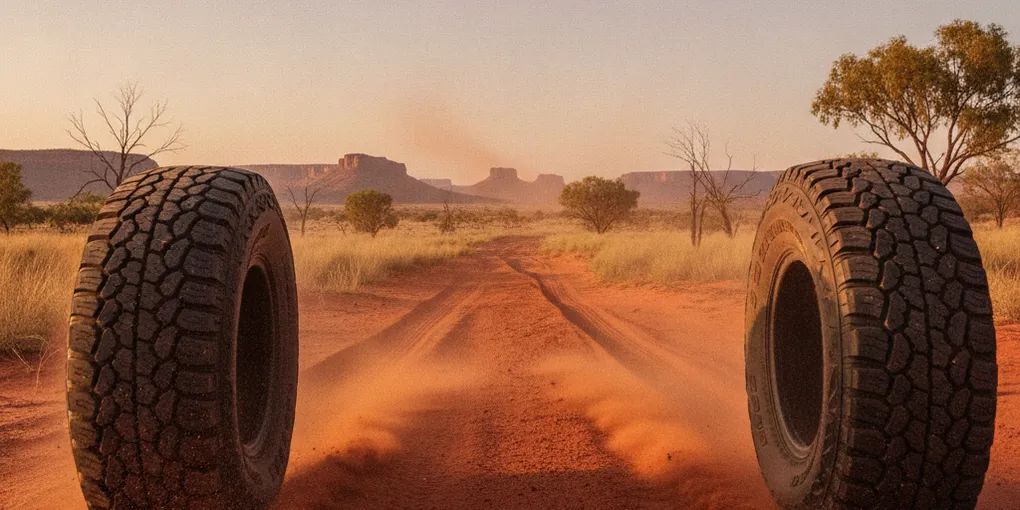
Crucial Caravan Tyre Pressures: Bitumen, Gravel, Sand Explained
Getting your caravan tyre pressures right is non-negotiable for safe and comfortable travel across Australia’s diverse landscapes. Understanding how to adjust them for bitumen, gravel, and sand will save you tyre wear, improve fuel economy, and prevent nasty incidents on your Big Lap.
Why Tyre Pressure is Your Best Friend on the Road
So, you’re packed, the fridge is stocked, and the van is hitched. Before you hit the road for that epic Australian adventure, let’s talk about something crucial that often gets overlooked: tyre pressure. It’s not just about inflating them to the number on the tyre sidewall – oh no, it’s a dynamic art form, especially when you’re towing a caravan.
Think of your tyres as the only connection between your caravan and the road. The right pressure ensures they’re working optimally, supporting your load, and gripping the surface effectively. Too high, and you’ll have a bouncy, jarring ride, reduced contact patch, and increased centre wear. Too low, and you risk overheating, tyre damage, increased fuel consumption, and even a blowout. For us travelling Australia, this is paramount.
Navigating the Bitumen Blacktop: The Foundation
When you’re cruising along the iconic Australian bitumen highways, maintaining the correct tyre pressure is key to a smooth and efficient journey. This is your everyday driving scenario, and getting it right here sets the tone for everything else.
What’s the Go with Bitumen Pressures?
For bitumen driving, you’ll generally be running your caravan tyres at or very close to the pressure recommended by the caravan manufacturer. This is often found in your caravan’s manual or sometimes as a sticker inside a cupboard. It’s designed to handle the weight of your fully loaded van on a firm, predictable surface.
- Check Your Van’s Manual: This is your first port of call. Manufacturers conduct extensive testing to determine the optimal pressure for their specific models.
- Load Matters: Remember, this recommended pressure is for your van fully loaded. If you’re travelling lighter, you might be able to slightly reduce pressure, but always err on the side of caution and consult with experts if unsure.
- Tyre Sidewall vs. Manufacturer Recommendation: Never inflate to the maximum pressure listed on the tyre sidewall. This is the maximum safe pressure the tyre can handle, not the optimal operating pressure for your van.
Key Considerations for Bitumen:
- Comfort: Correct pressure contributes to a much more comfortable towing experience.
- Fuel Economy: Underinflated tyres increase rolling resistance, leading to higher fuel consumption.
- Tyre Wear: Proper inflation ensures even wear across the tyre tread.
Embracing the Gravel Roads: A Different Ballgame
Australia is famous for its stunning outback tracks and unsealed roads. When you venture onto gravel, it’s time to rethink those bitumen pressures. Dropping your pressure can significantly improve ride comfort, traction, and reduce the jarring effect on your van and its contents.
Why Lower Pressure on Gravel?
When you lower the tyre pressure on gravel, you increase the tyre’s contact patch with the ground. This means more of the tyre is touching the road, providing:
- Better Grip: This is crucial for stability on loose surfaces.
- Reduced Pounding: The tyre acts as a better shock absorber, smoothing out the bumps and reducing stress on your caravan’s suspension and chassis.
- Less Risk of Punctures: A lower pressure tyre can ‘give’ a bit more over sharp stones, potentially preventing punctures.
The Golden Rule for Gravel:
A general rule of thumb is to reduce your tyre pressure by 5-10 PSI from your bitumen setting when travelling on well-maintained gravel roads. However, this is a starting point, and conditions can vary wildly.
Important Gravel Driving Tips:
- Reduce Speed: Always slow down on gravel roads. Higher speeds dramatically increase the risk of losing control.
- Watch for Corrugations: These can be brutal on your van and a lower pressure can help mitigate some of the impact.
- Beware of Loose Surfaces: If the gravel is very loose, you might need to experiment further with pressure, but always be cautious not to go too low.
Tackling the Sands of Australia: Extreme Caution Required
Dreaming of those iconic beach campsites or remote desert tracks? Driving on sand with a caravan is an entirely different beast and requires significant reduction in tyre pressure. This is where things get serious, and a mistake can be costly and dangerous.
The Science of Sand Driving:
On sand, you want your tyres to ‘float’ rather than dig in. Lowering the pressure dramatically increases the tyre’s footprint, spreading the weight of your caravan over a larger area. This prevents the tyres from sinking and getting bogged.
How Low Can You Go?
This is where it gets tricky and heavily depends on:
- Tyre Type and Construction: Some tyres are more robust than others.
- Sand Consistency: Wet, hard sand requires a different approach to dry, soft sand.
- Weight of Your Van: A heavier van will require more pressure reduction.
- Vehicle Capability: Your towing vehicle’s ability to handle sand is also a factor.
A common starting point for caravan tyres on sand is to drop pressure to around 15-20 PSI, but this can be even lower in very soft conditions. However, it’s absolutely critical to avoid going below the tyre manufacturer’s minimum recommended pressure for that specific tyre. This information is often harder to find but is vital.
Crucial Sand Driving Advice:
- Never Travel Alone: If you’re heading into areas where you’ll be driving on sand, make sure you have assistance or a recovery vehicle.
- Carry Recovery Gear: Shovels, traction boards, and a good winch are essential.
- Know Your Limits: If in doubt, don’t risk it. Find a safer place to park and walk the track first.
- Re-inflate Immediately: As soon as you’re back on a harder surface, re-inflate your tyres to the appropriate pressure for that surface. Driving on sand pressures on bitumen is extremely dangerous and will destroy your tyres.
Tyre Pressure Advisor: Your Personalised Solution
Navigating the nuances of tyre pressures for different terrains can be overwhelming, and one-size-fits-all advice might not be enough. That’s where The Lap Club Tyre Pressure Advisor comes in. We understand that every rig, every load, and every journey is unique. Our tool is designed to provide personalised recommendations based on your specific caravan, its weight, and the type of terrain you’ll be traversing.
Whether you’re sticking to the highways or venturing off the beaten track, ensuring you have the right tyre pressures will enhance your safety, comfort, and the longevity of your tyres. To discover tailored advice for your Big Lap, check out The Lap Club Tyre Pressure Advisor. We’re dedicated to helping you have the best possible travelling experience across Australia.
Tyre Pressure Comparison: Bitumen vs. Gravel vs. Sand (General Guidelines)
| Terrain | General Tyre Pressure Range (PSI) | Notes |
|---|---|---|
| Bitumen | Van Manufacturer Recommendation (e.g., 45-65 PSI) | Based on fully loaded van, smooth, hard surface. Check your van’s manual. |
| Gravel | Bitumen Pressure - 5 to 10 PSI | Improves comfort and traction on unsealed roads. Reduce speed. |
| Sand | 15 - 25 PSI (or lower in extreme conditions) | Increases flotation, prevents bogging. Critical to know tyre’s minimum. |
Note: These are general guidelines only. Always consult your caravan and tyre manufacturer’s specifications and use your own judgement based on conditions.
Don’t Forget Your Tyre Gauge!
A reliable tyre pressure gauge is an absolute must-have in your travel kit. Invest in a good quality one, and check your pressures regularly – before and after significant changes in terrain, and at least once a day when on longer trips.
Joining The Lap Club Community
The Big Lap is more than just a trip; it’s a community. At The Lap Club, we’re building a platform for travellers to connect, share knowledge, and make the most of their adventures. From finding the best campsites to understanding crucial tips like tyre pressures, our community is here to support you. The app is currently in waitlist mode, so be sure to join the waitlist at https://lapclub.com.au to be among the first to experience it!
For more valuable travel tips and articles, head over to our blog: https://lapclub.com.au/blog.
Frequently Asked Questions (FAQ)
How do I find the correct tyre pressure for my caravan?
Always start by consulting your caravan manufacturer’s manual or any stickers located within the caravan. These will provide the recommended pressures for your specific model when fully loaded. Never rely solely on the maximum pressure listed on the tyre sidewall.
What’s the best tyre pressure for towing on corrugated roads?
For corrugated roads, which are essentially rough gravel, you’ll want to reduce your tyre pressure from the bitumen setting, typically by 5-10 PSI. This will help absorb the jarring impacts and improve ride comfort. Always reduce your speed on these surfaces.
Is there an app for travelling Australia?
Yes! The Lap Club is developing a comprehensive app designed for travellers exploring Australia. It will offer a range of features to enhance your journey, from community connection to essential travel information. You can join the waitlist at https://lapclub.com.au.
How often should I check my caravan tyre pressures?
You should check your caravan tyre pressures at least once a day, especially at the start of each travel day. It’s also crucial to re-check them after significant changes in terrain (e.g., moving from bitumen to gravel) or if you suspect a problem.