Free Camping Australia: Your Ultimate Big Lap Guide
Discover the best free camping spots across Australia for your Big Lap adventure. Learn how to find them with The Lap Club!
Free Camping Australia: Your Ultimate Big Lap Guide
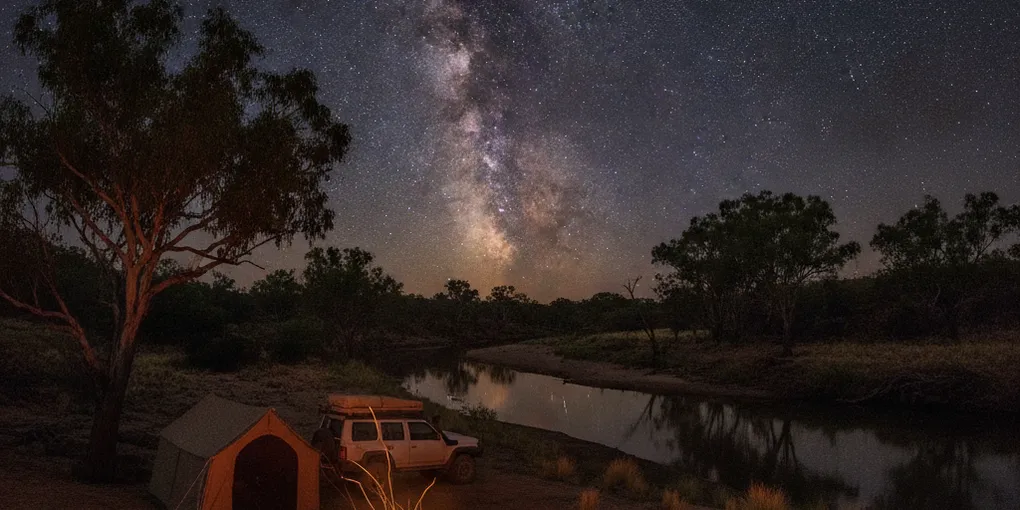
Dreaming of waking up to breathtaking Australian landscapes without spending a cent on accommodation? Free camping across Australia is a cornerstone of the iconic Big Lap, allowing travellers to stretch their budgets and immerse themselves in nature.
The allure of free camping is undeniable for anyone undertaking an extended journey around Australia. It’s not just about saving money; it’s about the freedom, the solitude, and the unparalleled connection with the land. From coastal paradises to rugged outback retreats, Australia offers an incredible array of free camping opportunities for every kind of adventurer.
Finding Free Campsites: The Secret Sauce for Your Big Lap
So, how do you actually find these hidden gems? Gone are the days of relying solely on word-of-mouth or outdated guidebooks. Today, technology and a savvy approach can unlock a world of free camping.
The Lap Club Explore Map: Your Digital Compass
One of the most powerful tools for discovering free campsites and planning your journey is The Lap Club Explore Map (https://lapclub.com.au/explore). This isn’t just another mapping tool; it’s a community-driven resource specifically designed for Big Lap travellers. Users contribute information, reviews, and updates on campsites, including free options, ensuring you have the most current and reliable data at your fingertips. You can filter by ‘free camping’, see photos, read other travellers’ experiences, and even plan routes incorporating these spots.
Other Essential Free Camping Resources
While The Lap Club Explore Map is a standout, it’s always wise to have a few backup resources.
- Hema Maps: These are a classic for a reason. Hema produce detailed road atlases and digital maps that often highlight designated free camping areas, particularly those managed by local councils or Crown land. Their digital apps are also incredibly useful on the road.
- WikiCamps Australia: This is another incredibly popular app for Australian travellers. While not free itself, it offers a vast database of campsites, including free ones, with user reviews, photos, and facility information. It’s a favourite for many for its comprehensive nature.
- CamperMate: Similar to WikiCamps, CamperMate offers a range of campsite information, including free options, and is often praised for its user-friendly interface and real-time updates.
- Local Council Websites: Many local government areas in Australia manage free camping sites, especially in regional and rural areas. A quick search for “[Council Name] free camping” can often reveal hidden local treasures.
- National Parks and State Forests: While many national parks have camping fees, some State Forests and designated areas within them offer free or low-cost camping. Always check the relevant forestry or parks website for regulations and designated sites.
- “Hipcamp” for Free Camping (with a Twist): While Hipcamp primarily focuses on paid private camping, sometimes landowners offer very low-cost or even free overnight stays for specific purposes (e.g., short stays for campers passing through). It’s worth exploring but requires careful reading of listings.
Types of Free Campsites Across Australia
Not all free camps are created equal. Understanding the different types will help you choose the perfect spot for your needs.
1. Rest Areas (Roadside)
These are the most common type of free camping. They are typically found along major highways and country roads, provided by state road authorities or local councils.
- Pros: Convenient for breaking up long drives, often have basic facilities like toilets and picnic tables.
- Cons: Can be noisy due to passing traffic, facilities are usually very basic, and they are not intended for extended stays. Strict time limits (usually 24-48 hours) often apply.
2. Shire/Council Campsites
Many local shires offer free or very low-cost camping as a way to attract travellers and boost local economies. These can range from basic roadside stops to well-maintained grounds with more amenities.
- Pros: Often in beautiful locations, can be more peaceful than highway rest areas, sometimes have flushing toilets, BBQs, and even water.
- Cons: Availability can vary, some may require a small donation to a local cause, and it’s always best to check local regulations.
3. Crown Land Camping
Vast areas of Crown land across Australia are open for camping. This is often the most “wild” and remote form of free camping.
- Pros: True off-grid experience, stunning natural beauty, complete solitude.
- Cons: Requires self-sufficiency (no facilities whatsoever), strict adherence to Leave No Trace principles is paramount, and access can be challenging. You must be prepared to be completely self-contained.
4. Designated Free Camping Grounds
These are specific areas set aside by authorities for free camping, often with a bit more structure than a simple rest area. They might have designated campsites, fire pits, and basic toilets.
- Pros: A good balance between freedom and basic amenities, often in scenic natural settings.
- Cons: Can become popular and crowded, especially during peak season or school holidays.
Essential Tips for Free Camping Responsibly
Free camping is a privilege, not a right. To ensure these spots remain available for future travellers, responsible behaviour is crucial.
- Leave No Trace: Pack it in, pack it out. This is the golden rule. Take all your rubbish with you, including food scraps.
- Respect Fire Restrictions: Always check current fire bans. If fires are permitted, use designated fire pits and ensure they are fully extinguished before you leave. Carry a shovel and water.
- Water Conservation: Many free camps have no water. If water is available, use it sparingly.
- Toilet Facilities: If no toilets are provided, you must dig a “cat hole” at least 100 metres from any water source, camp area, and walking tracks. Bury human waste and toilet paper. Consider carrying a portable toilet if possible.
- Know the Rules: Some free camps have time limits (usually 24-48 hours). Respect these to allow others a chance to use the spot.
- Be Self-Sufficient: For Crown land or remote camping, be prepared to be completely self-sufficient for water, food, power, and waste disposal.
- Check for Permits/Donations: While “free,” some locations may suggest or request a small donation to a local charity or for upkeep. This is entirely voluntary but a good way to contribute.
- Consider the Environment: Avoid damaging vegetation, never wash dishes or yourself directly in waterways, and keep noise levels to a minimum.
Free Camping vs. Paid Camping: A Quick Comparison
| Feature | Free Camping | Paid Camping |
|---|---|---|
| Cost | $0 | Varies (from $10/night to $50+/night) |
| Facilities | Basic to none (toilets, picnic tables) | Extensive (showers, laundry, power, kitchens) |
| Location | Often remote, roadside, natural settings | Can be anywhere, including developed campgrounds |
| Crowds | Can be busy, especially popular spots | Varies by campground and season |
| Environment | Raw, natural, potentially more challenging | Often well-maintained, sometimes landscaped |
| Planning Needed | High (self-sufficiency is key) | Moderate (booking may be required) |
| Best For | Budget travellers, those seeking solitude | Families, those wanting amenities, comfort |
Joining the Lap Club Community
The Big Lap is more than just a journey; it’s a community. Sharing experiences, tips, and knowledge is what makes it truly special. This is where The Lap Club shines. While the app is currently in waitlist mode, you can join the waitlist at https://lapclub.com.au to be among the first to access a dedicated platform for Big Lap travellers. Expect features that will make planning your adventures even easier, including enhanced campsite discovery and community forums. You can also explore our blog for more travel inspiration and guides at https://lapclub.com.au/blog.
Embracing free camping is an integral part of the authentic Australian Big Lap experience. By using resources like The Lap Club Explore Map and respecting the principles of responsible camping, you can enjoy the vast beauty of this country while keeping your budget intact. Happy travels!
Frequently Asked Questions (FAQ)
What is the best app for travelling Australia for free camping?
While there are several great apps, The Lap Club Explore Map (https://lapclub.com.au/explore) is a fantastic, community-driven resource specifically for Big Lap travellers looking for free camping spots, alongside other essential travel information. Apps like WikiCamps and CamperMate also offer comprehensive databases of free campsites, though they may have a subscription fee.
How do I find free camping spots in Australia?
You can find free camping spots in Australia through dedicated apps like The Lap Club Explore Map, Hema Maps, WikiCamps, and CamperMate. Local council websites, National Park and State Forest information, and roadside rest areas are also excellent sources.
Are there any rules for free camping in Australia?
Yes, there are important rules. Always practice Leave No Trace principles: pack out all rubbish, dispose of waste properly, respect fire restrictions, conserve water, and adhere to any time limits for the campsite (usually 24-48 hours).
What facilities can I expect at free campsites in Australia?
Facilities vary greatly. Some free campsites are just a cleared area with no amenities. Others, particularly rest areas and shire-managed sites, may have basic toilets, picnic tables, and rubbish bins. Always be prepared to be self-sufficient.