Towing Tyre Pressures: Bitumen, Gravel & Sand Secrets for Your Caravan
Master towing tyre pressures for bitumen, gravel & sand. Keep your caravan safe & comfortable with The Lap Club's expert guide.
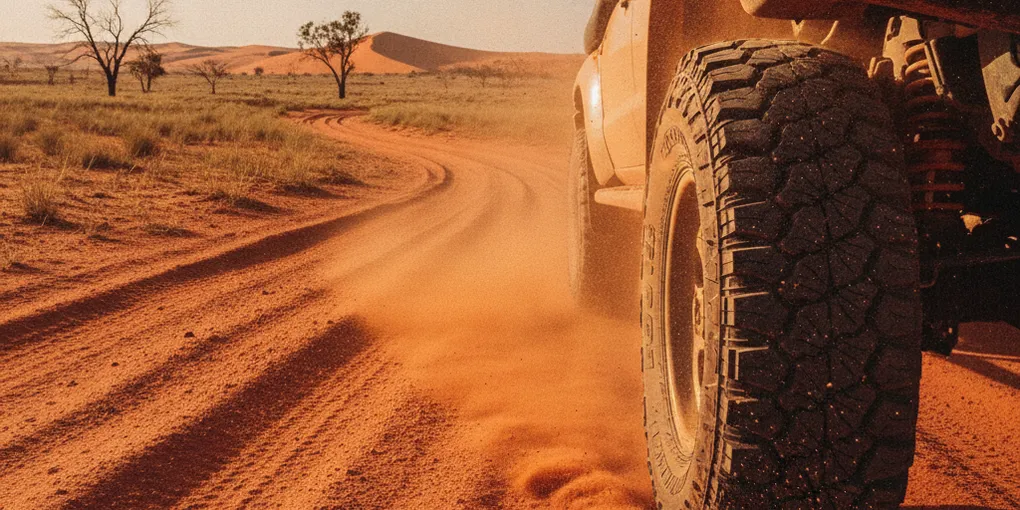
Towing Tyre Pressures: The Golden Rules for Bitumen, Gravel & Sand
Getting your caravan tyre pressures right is crucial for a safe, comfortable, and efficient Big Lap. For bitumen, you’ll run higher pressures for stability and load-carrying, while gravel and sand demand significantly lower pressures for traction and to prevent bogging.
The Great Australian Tyre Pressure Debate: Bitumen vs. Gravel vs. Sand
Ah, the age-old question that has had more caravan travellers scratching their heads than a mob of kangaroos at a roadhouse. We’re talking tyre pressures, folks! It’s one of those seemingly small details that can make or break your journey across this vast, magnificent continent.
As any seasoned Big Lap veteran will tell you, your trusty caravan isn’t just a home on wheels; it’s a partner in adventure. And just like any good partner, it needs a bit of tender loving care, especially when it comes to its feet – those all-important tyres.
The magic number for your tyre pressure isn’t a one-size-fits-all situation. It’s a dynamic beast, dictated by the very ground you’re rolling over. From the smooth (mostly!) bitumen highways to the corrugated terror of outback gravel tracks, and the unforgiving embrace of sandy beaches, each surface demands a different approach.
Here at The Lap Club (https://lapclub.com.au), we’re all about empowering you to tackle your Big Lap with confidence. And that starts with understanding the nuances of your rig. So, let’s dive into the nitty-gritty of tyre pressures and unlock the secrets to a smoother, safer, and more enjoyable trip.
Bitumen Tyre Pressures: Smooth Sailing on the Blacktop
When you’re cruising along the bitumen, your goal is to keep your tyres working efficiently, minimising heat build-up and maximising stability. This means running your tyres at or very close to the recommended pressure as stated on your tyre sidewall or in your caravan’s manual.
Why Higher Pressures on Bitumen?
- Load Carrying: Higher pressures allow the tyre to maintain its shape under load, distributing the weight evenly.
- Reduced Rolling Resistance: This translates to better fuel economy for your tow vehicle.
- Stability: A firmer tyre provides a more stable platform, especially important when towing.
- Heat Management: Under-inflated tyres on bitumen can generate excessive heat, leading to premature wear or even blowouts.
Important Considerations for Bitumen:
- Check When Cold: Always check your tyre pressures when they are cold – before you’ve driven any significant distance. Driving heats up the tyres, increasing the pressure.
- Don’t Exceed Max PSI: While you want to be near the recommended pressure, never exceed the maximum PSI indicated on the tyre sidewall.
- Tread Wear: Keep an eye on your tread wear. Uneven wear can indicate incorrect pressures or alignment issues.
Gravel Tyre Pressures: Taming the Corrugations
Ah, the Aussie outback! You’ve seen the photos, you’ve heard the stories, and you know it’s coming: gravel roads. These can range from well-maintained dirt tracks to bone-jarring corrugated nightmares. Dropping your tyre pressures here is not optional; it’s essential for comfort and to save your van (and your sanity!).
Why Lower Pressures on Gravel?
- Increased Traction: A slightly deflated tyre conforms better to the uneven surface, providing a larger contact patch and thus more grip.
- Smoother Ride: Lower pressures absorb more of the shock from corrugations and potholes, significantly reducing the jarring effect on your caravan and its contents.
- Reduced Tyre Damage: By allowing the tyre to flex more, you reduce the stress on the sidewalls, making it less susceptible to punctures from sharp rocks or debris.
- Better Handling: A softer tyre can help prevent the caravan from “skittering” sideways on loose gravel.
Finding Your Sweet Spot:
This is where it gets a bit more personal. A good starting point for gravel is usually around 10-15 PSI lower than your bitumen pressure. However, this can vary hugely depending on:
- Tyre Type and Size: Larger, tougher tyres might tolerate lower pressures.
- Caravan Weight: A heavier van will require slightly higher pressures than a lighter one, even on gravel.
- Road Conditions: Very rough corrugations might warrant further pressure reduction.
- Your Comfort Level: Experiment to find what feels right for your rig and your towing vehicle.
Tip: Keep a log of what pressures worked best on different types of gravel roads. This will be invaluable for future trips!
Sand Tyre Pressures: The Ultimate Test of Traction
Tackling beach driving or sandy tracks is an art form, and tyre pressure is your paintbrush. Too high, and you’ll dig yourself a very embarrassing (and potentially costly) hole. Too low, and you risk damaging your tyres or getting bogged. This is where you need to be at your most conservative.
Why Extremely Low Pressures on Sand?
- Maximum Floatation: The key to sand is to get your tyres to “float” on top of the surface rather than dig in. Lowering pressures spreads the weight over a much larger surface area.
- Preventing Bogging: This wider contact patch distributes your caravan’s weight more effectively, preventing it from sinking.
- Maintaining Momentum: Lower pressures help maintain forward momentum, which is crucial in sand.
General Guidelines for Sand:
- Significant Reduction: Expect to drop your pressures considerably – often down to 15-25 PSI, or even lower, depending on the sand’s consistency.
- Tyre Sidewall Warning: Be very careful not to go so low that you risk the tyre coming off the rim. Always refer to your tyre’s capabilities.
- Tyre Manufacturer Recommendations: Some tyre manufacturers offer specific low-pressure recommendations for sand driving.
- Tow Vehicle Synergy: Remember, your tow vehicle’s tyre pressures will also need to be adjusted for sand driving to match the caravan’s capabilities.
The Process:
- Assess the Sand: Is it firm or soft and powdery?
- Start Conservatively: Begin with a lower-than-usual pressure and observe how the van handles.
- Adjust as Needed: If you’re finding you’re digging in, lower the pressure further. If the van feels unstable or the tyres are rolling excessively, you might be a touch too low.
- Re-inflate: Crucially, once you’re back on firmer ground, you must re-inflate your tyres to their appropriate bitumen pressures. Driving on bitumen with very low sand pressures is dangerous and will cause significant tyre wear and heat build-up.
The Lap Club Tyre Pressure Advisor: Your Personalised Solution
We know that all this can seem a bit overwhelming, especially when you’re facing a new set of conditions. That’s why we developed The Lap Club Tyre Pressure Advisor. It’s designed to take the guesswork out of finding the perfect pressures for your specific rig and your intended journey.
By inputting details about your caravan, tow vehicle, and the type of terrain you’ll be encountering, our Tyre Pressure Advisor can provide personalised recommendations. It’s about making your Big Lap safer, more comfortable, and more enjoyable. You can find it at https://lapclub.com.au/tyres – check it out!
Key Takeaways: A Comparison Table
To help solidify these concepts, here’s a quick comparison table. Remember, these are general guidelines, and your specific circumstances may require adjustments.
| Terrain | General Pressure Approach | Key Considerations |
|---|---|---|
| Bitumen | Higher: Near max recommended PSI | Stability, fuel efficiency, heat management. Check cold. |
| Gravel | Medium: 10-15 PSI lower than bitumen | Traction, comfort, reduced damage. Adjust for road conditions. |
| Sand | Lower: Significantly reduced (e.g., 15-25 PSI or less) | Floatation, prevent bogging, maintain momentum. Risk of rim damage. |
Re-inflating is Non-Negotiable!
We can’t stress this enough: always re-inflate your tyres to their correct bitumen pressures once you’re back on the blacktop. Driving on deflated tyres on bitumen is dangerous, inefficient, and will quickly destroy your tyres. Carry a reliable tyre inflator and gauge – they are essential tools for any Big Lap.
Join The Lap Club Community
The Big Lap is an incredible experience, and sharing knowledge is what makes it even better. We’re building a vibrant community of travellers at The Lap Club (https://lapclub.com.au) to share tips, stories, and support. While our app is currently in waitlist mode, we encourage you to join the waitlist at https://lapclub.com.au to be among the first to experience it. For more great travel advice, head over to our blog: https://lapclub.com.au/blog.
Frequently Asked Questions (FAQ)
What is the best app for traveling Australia?
While there are many useful travel apps, The Lap Club aims to be the ultimate all-in-one companion for your Big Lap. Our upcoming app and community (join the waitlist at https://lapclub.com.au) will offer features like route planning, tyre pressure advice, community forums, and more, all designed specifically for travelling Australia.
How much should I lower my caravan tyre pressure for gravel roads?
A good starting point is to reduce your bitumen pressure by 10-15 PSI. However, this is a general guideline. You’ll need to adjust based on the severity of the corrugations, the weight of your van, and the type of gravel. Experimentation is key to finding your comfortable sweet spot.
Can I drive on bitumen with low tyre pressures from sand driving?
Absolutely not. Driving on bitumen with pressures suitable for sand is extremely dangerous. It will lead to excessive tyre wear, overheating, and potentially a blowout. You must re-inflate your tyres to their recommended bitumen pressures as soon as you return to firm surfaces.
How do I know the correct tyre pressure for my caravan?
Always refer to your caravan manufacturer’s manual or the tyre sidewall for the maximum recommended tyre pressure. For bitumen driving, aim for pressures close to this maximum when the tyres are cold. For other surfaces like gravel and sand, you will reduce these pressures significantly. The Lap Club Tyre Pressure Advisor (https://lapclub.com.au/tyres) can help you determine personalised settings.