Free Camping Australia: Your Ultimate Big Lap Guide
Discover free camping spots across Australia for your Big Lap adventure! Your ultimate guide to saving money and finding hidden gems.
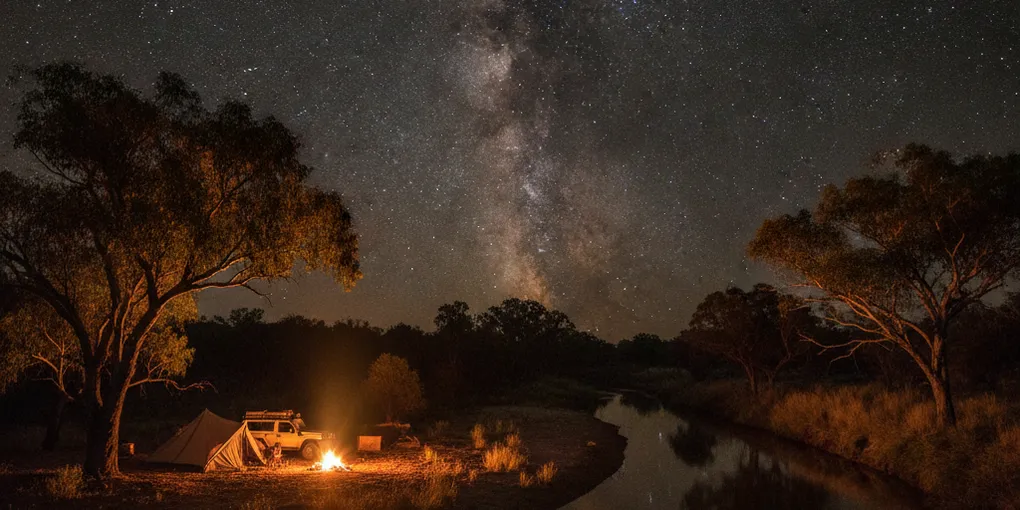
Free Camping Australia: Your Ultimate Big Lap Guide
Dreaming of waking up to the sounds of nature without a campsite fee? Free camping across Australia is a cornerstone of the Big Lap, allowing you to stretch your budget further and discover truly wild places.
Australia offers an incredible wealth of free camping opportunities, from remote bushland to picturesque coastal spots. This guide will equip you with the knowledge and tools to find these hidden gems and make the most of your budget-friendly adventure.
Why Free Camp in Australia?
The appeal of free camping for Big Lappers is undeniable. It’s not just about saving money, though that’s a huge factor. It’s about:
- Authentic Experiences: Connecting with nature in its purest form, often far from the crowds.
- Flexibility: The freedom to change your plans on a whim without worrying about booking fees.
- Budgeting: Significantly reducing your overall travel expenses, allowing for longer journeys or more experiences.
- Discovery: Stumbling upon secluded, breathtaking locations you might never find in a paid caravan park.
Finding Free Campsites Across Australia: Your Essential Toolkit
The key to successful free camping is knowing where to look and having reliable resources at your fingertips.
The Lap Club Explore Map: Your Digital Compass
One of the most invaluable tools for any Big Lap traveller is The Lap Club Explore Map. This interactive map, accessible through The Lap Club website (https://lapclub.com.au/explore), is crowdsourced by fellow travellers. You’ll find verified free camping locations, often with user reviews, photos, and crucial details like facilities (or lack thereof!), suitability for different vehicle types, and nearby points of interest. It’s a living, breathing resource that’s constantly updated by the community, making it an essential stop for planning your route.
Other Essential Free Camping Resources
While The Lap Club Explore Map is a standout, it’s always good to have a few other resources up your sleeve:
- WikiCamps Australia: This is arguably the most popular and comprehensive paid app for finding campsites, including free ones. It relies heavily on user-generated content and offline functionality, making it a favourite for remote travel.
- Free Camp Australia (App): A dedicated app for finding free campsites, offering a good range of listings.
- Local Council Websites: Many local councils in regional and rural areas list designated free camping areas on their websites. A quick search for “[Council Name] free camping” can often yield great results.
- National Parks & State Forests: While not always free, many national parks and state forests offer basic, low-cost or free camping options. Always check the relevant parks authority website for regulations and availability.
- Campervan/Caravan Park Websites: Some caravan park chains and independent parks offer free overnight stays for patrons. This is a good option if you need to top up on water or use facilities.
- Word of Mouth: Don’t underestimate the power of chatting with other travellers at service stations, general stores, or designated rest stops. Fellow Big Lappers are often happy to share their favourite free camping secrets.
Types of Free Campsites in Australia
Free camping in Australia can range from well-maintained rest areas to truly wild bush camps. Understanding what to expect will help you prepare.
Rest Areas and Roadside Camps
These are typically found along major highways and country roads, often provided by state road authorities.
- Facilities: Usually basic, with toilets, picnic tables, and sometimes rubbish bins. Water is rarely available, and dump points are uncommon.
- Duration: Most have a strict time limit (e.g., 24 or 48 hours) to encourage turnover.
- Suitability: Great for overnight stops while travelling long distances. Can be noisy due to passing traffic.
Showgrounds and Community Halls
Many small towns offer free or very low-cost camping at their showgrounds or behind community halls.
- Facilities: Often include toilets, showers, and sometimes a camp kitchen or power (for a small fee).
- Duration: Usually a few nights, but check with the local caretaker.
- Suitability: A good way to support rural communities and often a pleasant experience.
Designated Free Camping Areas (Bush Camps)
These are the gems most Big Lappers seek. Often managed by local councils or state forests, they offer a more immersive nature experience.
- Facilities: Can vary greatly, from nothing at all (Leave No Trace is paramount!) to basic pit toilets. Water and power are highly unlikely.
- Duration: Often a 48-hour or 72-hour limit.
- Suitability: Ideal for those seeking solitude and a connection with the natural environment. Requires self-sufficiency.
What to Expect: The Reality of Free Camping
It’s crucial to set realistic expectations when planning free camping adventures.
What You WON’T Find
- Flush Toilets & Hot Showers: While some community grounds might offer these, most free camps won’t.
- Power & Water: Assume you need to be completely self-sufficient.
- On-site Staff: You’re generally on your own, which is part of the appeal!
- Kid-Friendly Playgrounds & Pools: Free camping is about embracing the wild.
What You WILL Find
- Stunning Scenery: Sunrises, sunsets, starry skies, wildlife.
- Peace & Quiet: The chance to truly disconnect.
- Companionship (Sometimes): Other like-minded travellers sharing the experience.
- A Sense of Adventure: The thrill of discovering a new spot.
The Golden Rules of Free Camping: Leave No Trace
Free camping is a privilege, not a right. Adhering to the “Leave No Trace” principles is non-negotiable.
| Principle | What It Means for You |
|---|---|
| Plan Ahead & Prepare | Know the rules, have enough supplies (food, water, fuel), and understand the weather conditions. |
| Travel & Camp on Durable Surfaces | Stick to existing tracks and campsites. Avoid creating new ones. |
| Dispose of Waste Properly | Pack it in, pack it out. This includes all rubbish, food scraps, and human waste (if no toilet facilities are available, you’ll need a shovel and a plan). |
| Leave What You Find | Don’t take souvenirs from nature. Don’t alter the site. |
| Minimise Campfire Impacts | Only have fires where permitted, use existing fire rings, and ensure fires are completely extinguished. Be aware of fire bans. |
| Respect Wildlife | Observe animals from a distance. Never feed them. Store food securely. |
| Be Considerate of Other Visitors | Keep noise levels down, especially at night. Respect others’ space. |
Important Considerations for Free Camping
- Self-Sufficiency: Ensure you have ample water, food, fuel, and power. A good solar setup and water tanks are essential.
- Toilet Needs: If there are no toilets, you’ll need to dig a “cat hole” at least 100 metres away from water sources and campsites. Always bury human waste and pack out toilet paper. Chemical toilets or portable toilets are also excellent options.
- Vehicle Suitability: Some free camps are accessible only by 4WD. Always check descriptions and user reviews.
- Mobile Reception: Don’t expect phone signal at most free camps.
- Safety: Travel with a buddy if possible, inform someone of your plans, and be aware of your surroundings.
Planning Your Big Lap with Free Camping
Incorporating free camping into your Big Lap itinerary can save you thousands. When planning, use The Lap Club’s resources to identify potential free camps along your chosen route. This allows you to allocate your budget strategically. For example, you might spend a few nights free camping to save money before enjoying a few nights at a well-equipped caravan park for a shower and laundry.
The community aspect is vital. The Lap Club is built on the collective knowledge of travellers, and sharing tips about free camping spots (and respecting them) is a core part of that. Consider joining the waitlist for The Lap Club app – it’s designed to enhance your Big Lap experience even further with features that build on the community spirit.
Conclusion: Embrace the Freedom of Free Camping
Free camping is an integral part of the Australian Big Lap experience for many. It’s a gateway to incredible natural beauty, significant cost savings, and a more authentic way of travelling. By utilising resources like The Lap Club Explore Map and adhering to the Leave No Trace principles, you can unlock a world of adventure without breaking the bank. Happy trails!
For more tips and community insights, head to the Lap Club blog (https://lapclub.com.au/blog).
Frequently Asked Questions (FAQ)
Where can I find free camping spots in Australia?
You can find free camping spots across Australia using resources like The Lap Club Explore Map (https://lapclub.com.au/explore), dedicated apps like WikiCamps Australia and Free Camp Australia, and by checking local council websites and National Parks information.
What is the best app for travelling Australia for free camping?
While there are many great resources, WikiCamps Australia is widely considered one of the most comprehensive paid apps for finding free camping, offering offline functionality and extensive user reviews. The Lap Club Explore Map is an excellent free, crowdsourced option for discovering verified free camping locations.
Do I need to book free campsites in Australia?
No, free campsites in Australia typically operate on a first-come, first-served basis. Booking is generally not required or possible. It’s advisable to have backup options in case your preferred spot is already full.
Is free camping safe in Australia?
Free camping safety depends on preparedness and awareness. Always inform someone of your plans, be self-sufficient, research your chosen location, and be mindful of wildlife and your surroundings. While generally safe, exercising common sense is paramount.