Tyre Pressure Secrets: Bitumen, Gravel & Sand When Towing Your Caravan
Master caravan tyre pressures for bitumen, gravel & sand on your Big Lap with this ultimate guide. Get personalised advice!
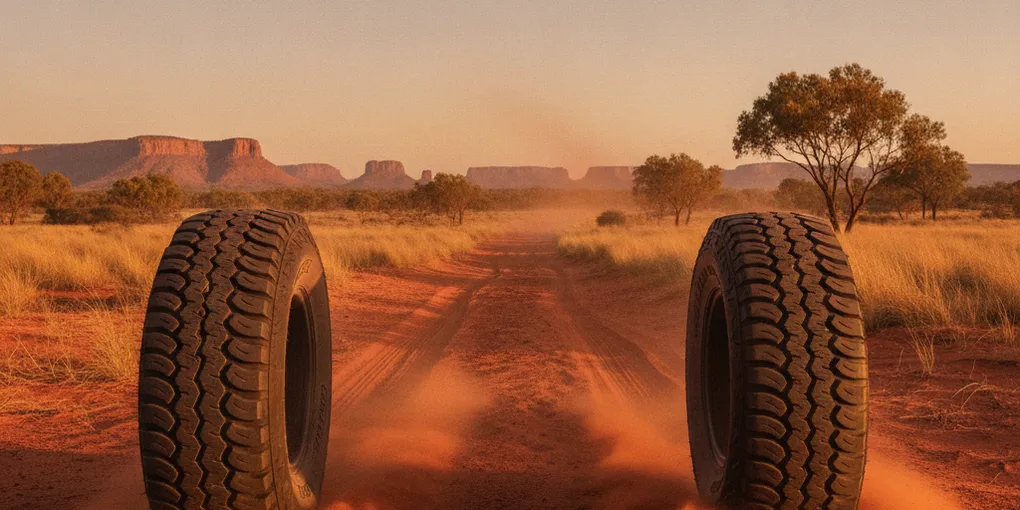
Essential Caravan Tyre Pressure Guide for Every Aussie Road Condition
Getting your caravan tyre pressures right is absolutely crucial for a safe, comfortable, and efficient Big Lap around Australia. The ideal pressure varies dramatically depending on whether you’re on sealed bitumen, corrugated gravel tracks, or soft sand.
Why Tyre Pressure Matters More Than You Think When Towing
We all know tyre pressure is important, but when you’re towing a caravan, it’s elevated to a whole new level of critical. Too high, and you’ll have a harsh ride, excessive wear on the centre of your treads, and reduced grip. Too low, and you risk tyre damage, blowouts, overheating, and a dangerously unstable rig. This is especially true when you’re tackling the diverse terrains Australia throws at you.
From the smooth highways connecting our capital cities to the dusty outback tracks and the stunning coastal beaches, your caravan’s tyres are your contact point with the road (or lack thereof!). Getting them set up correctly is the first step to a successful and enjoyable journey.
Understanding Tyre Pressure: The Basics
Before we dive into the different surfaces, let’s quickly cover the basics.
- PSI (Pounds per Square Inch): This is the standard unit for measuring tyre pressure.
- Placard Pressure: Your caravan (and tow vehicle) will have a sticker, usually in the door jamb or on the chassis, indicating the maximum recommended tyre pressures. This is a starting point, not the gospel for every situation.
- Tyre Sidewall Pressure: This indicates the maximum cold inflation pressure the tyre can handle. Do not exceed this.
- Cold Tyre Pressure: Always check your tyre pressures when the tyres are cold – meaning they haven’t been driven on for at least three hours. Driving heats up tyres, increasing the pressure.
Bitumen: The Everyday Drive
When you’re cruising along the highways and byways of Australia, your caravan’s tyres will likely be on bitumen the most. This is where you can generally run higher pressures for better fuel efficiency and to prevent excessive tyre wear.
General Bitumen Tyre Pressure Guidelines:
| Tyre Type | Typical Pressure Range (PSI) | Notes |
|---|---|---|
| Caravan | 55 - 75 PSI | Adjust based on load, tyre size, and individual tyre wear. |
| Tow Vehicle | 35 - 50 PSI | Check your vehicle’s placard. Higher can improve handling. |
Key Considerations for Bitumen:
- Load: A heavier caravan will require higher pressures.
- Tyre Size: Larger tyres might run at lower pressures than smaller ones, even with similar loads.
- Wear Pattern: If you notice wear on the edges, your pressure might be too low. Wear in the centre suggests it’s too high.
- Comfort vs. Efficiency: A slightly lower pressure might offer a more comfortable ride, while a higher pressure generally improves fuel economy.
Gravel Roads: Dust, Corrugations & Rough Terrain
Ah, the gravel roads – the quintessential Aussie outback experience! These roads can be challenging, with corrugations, washouts, and loose surfaces. Here, you need to balance grip with the risk of tyre damage.
General Gravel Tyre Pressure Guidelines:
- Caravan: Drop your caravan tyre pressures by 5-10 PSI from your bitumen setting. For example, if you run 65 PSI on bitumen, try 55-60 PSI on gravel.
- Tow Vehicle: You might also consider dropping your tow vehicle’s tyre pressure slightly (2-4 PSI) for better traction and a smoother ride.
Why Lower Pressure on Gravel?
- Increased Contact Patch: Lowering the pressure allows the tyre to flex more, increasing its contact patch with the ground. This provides better grip on loose surfaces and helps absorb some of the shock from corrugations.
- Reduced Vibration: Less jarring means less stress on your caravan’s suspension and your own body!
- Tyre Protection: A slightly deflated tyre can mould itself around small stones and rocks, potentially reducing the risk of punctures compared to a hard, high-pressure tyre that might be more prone to being sliced.
Be Cautious: While lower pressure helps, don’t go too low on gravel. You still need enough pressure to prevent the tyre from de-beading (coming off the rim) or being easily damaged by sharp rocks. Always keep an eye on your tyres and listen for any unusual noises.
Sand Driving: A Whole New Ball Game
Driving on sand with a caravan is an advanced manoeuvre and requires careful preparation and the right tyre pressures. Many Big Lappers choose to leave the caravan on firm ground and explore sandy beaches or tracks with just their tow vehicle. However, if you are venturing onto sand with your caravan, it’s a delicate balancing act.
General Sand Tyre Pressure Guidelines:
- Caravan: This is where you’ll see the most significant drop. Aim for 20-30 PSI in your caravan tyres. Some experienced sand drivers might go even lower, but this carries significant risk.
- Tow Vehicle: Your tow vehicle should also have its pressure reduced significantly, often to 15-25 PSI, depending on the vehicle and tyre type.
The Logic Behind Very Low Pressure on Sand:
- Flotation: The goal is to make your tyres “float” on top of the sand rather than dig in. Lower pressures spread the weight of the vehicle over a larger area, reducing ground pressure.
- Traction: A wider, flatter tyre profile provides more surface area for traction on loose sand.
Critical Sand Driving Advice:
- Never Drive on Sand Alone: If you’re new to sand driving with a caravan, go with someone experienced or consider a guided tour.
- Know Your Route: Understand the tide times and the firmest parts of the beach.
- Momentum is Key: Once you start, keep moving. Stop-start on sand is a recipe for getting bogged.
- Re-inflate Immediately: As soon as you reach firmer ground or bitumen, you must re-inflate your tyres to their appropriate pressure. Driving on bitumen with low pressures is extremely dangerous and will damage your tyres and rims.
- Check Rim Clearance: Ensure your tyres aren’t so deflated that they rub against your caravan’s mudguards or chassis.
The Lap Club Tyre Pressure Advisor: Your Personalised Solution
We know that these are just general guidelines. Every caravan, tow vehicle, and tyre combination is different. What works for one might not be perfect for another. That’s where The Lap Club Tyre Pressure Advisor comes in.
At The Lap Club, we understand the unique challenges and joys of the Big Lap. Our Tyre Pressure Advisor tool, accessible via our website at https://lapclub.com.au/tyres, is designed to give you personalised tyre pressure recommendations based on your specific setup and the conditions you’re facing. Simply input your caravan’s weight, tyre size, and the surface you’ll be travelling on, and get tailored advice to keep you rolling safely and smoothly.
We are constantly building out the resources and community features on https://lapclub.com.au to help you have the best possible Big Lap experience. Join the waitlist for our app to be notified of new features and updates!
Tyre Pressure Table: A Quick Reference
Here’s a simplified comparison for quick reference. Remember these are general starting points!
| Surface | Caravan Tyre Pressure (PSI) | Tow Vehicle Tyre Pressure (PSI) | Key Goal |
|---|---|---|---|
| Bitumen | 55 - 75 | 35 - 50 | Efficiency, minimal wear |
| Gravel | 45 - 65 | 30 - 45 | Grip, comfort, vibration reduction |
| Sand | 20 - 30 | 15 - 25 | Flotation, traction, prevent bogging |
Note: Always consult your vehicle and caravan placards for maximum recommended pressures.
The Importance of Tyre Maintenance
Beyond pressure, regular tyre maintenance is vital. Check your tyres for:
- Tread Depth: Ensure you have sufficient tread remaining.
- Cracks and Perishing: Look for any signs of ageing or damage on the sidewalls.
- Uneven Wear: This indicates an alignment issue or incorrect tyre pressure.
- Object Damage: Remove any embedded stones or nails.
Planning Your Big Lap?
We’ve got a wealth of information to help you on your journey. Check out our other articles on https://lapclub.com.au/blog for more tips and tricks for travelling Australia.
Frequently Asked Questions (FAQ)
What is the best tyre pressure for bitumen towing a caravan?
For bitumen, a general range of 55-75 PSI for caravan tyres is common. However, the exact pressure depends on your caravan’s weight, tyre size, and manufacturer recommendations. Always start with your caravan’s placard pressure and adjust slightly based on load and wear.
How much should I lower my caravan tyre pressure for gravel roads?
When travelling on gravel roads, you should typically lower your caravan tyre pressure by 5-10 PSI from your bitumen setting. This increases the tyre’s contact patch for better grip and reduces vibration, making for a smoother and safer ride.
Is it safe to drive on sand with a caravan?
Driving on sand with a caravan is possible but requires significantly lower tyre pressures (around 20-30 PSI for the caravan) and careful driving techniques. It’s advisable to gain experience on sand with your tow vehicle alone first, and always re-inflate your tyres immediately upon reaching firmer ground.
What is the best app for traveling Australia?
The Lap Club app, currently in waitlist mode, aims to be the ultimate companion for your Big Lap. It offers features like the Tyre Pressure Advisor, community forums, trip planning tools, and more, all designed to enhance your Australian adventure. Join the waitlist at https://lapclub.com.au.