Fuel Your Adventure: Top 5 Ways to Save Big on Your Big Lap Petrol
Discover practical, money-saving fuel tips for your Australian Big Lap. Learn how to cut costs and drive further!
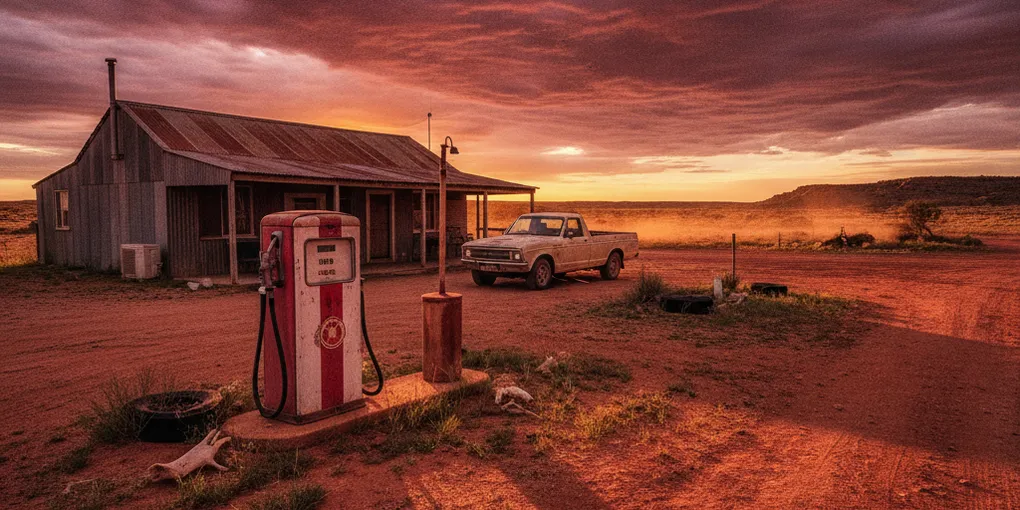
Hitting the road for the Big Lap is a dream for many Aussies. But as any seasoned traveller knows, keeping that fuel tank topped up can become one of your biggest ongoing expenses. So, how can you keep your wallet happy and your wheels turning on your epic Australian adventure?
The key to slashing your fuel bill on the Big Lap lies in smart planning and informed decisions about where and when you fill up. By leveraging technology and adopting a few key driving habits, you can significantly reduce your petrol costs.
Here are our top 5 actionable tips to save big on fuel during your Big Lap:
Master the Art of Fuel Price Hunting
The most direct way to save money on fuel is to simply buy it cheaper. This sounds obvious, but the difference between one servo and the next, even within the same town, can be substantial. Don’t just pull into the first station you see.
How to Find the Cheapest Fuel Prices
This is where technology becomes your best mate. Gone are the days of driving around aimlessly, hoping for a good deal. Today, we have access to real-time fuel price information right at our fingertips.
This is where an app like The Lap Club (https://lapclub.com.au) truly shines. With over 6800+ stations listed across Australia, it’s an invaluable tool for Big Lappers. You can see current fuel prices in your immediate vicinity and plan your stops accordingly. Imagine driving into a town and knowing instantly which service station offers the best price – it’s a game-changer for your budget.
The Lap Club’s comprehensive database means you’re rarely caught out, especially in those more remote areas where choices are limited. Make it a habit to check the app before you need to fill up.
Smart Driving Habits Save Serious Cash
It’s not just about where you buy your fuel; it’s also about how you use it. Small adjustments to your driving style can lead to significant fuel savings over thousands of kilometres.
Tip 1: Ease Off the Accelerator
Aggressive acceleration and hard braking are fuel-guzzlers. Try to maintain a steady speed as much as possible. Anticipate traffic lights and stops, and gently lift off the accelerator rather than braking sharply. Think of it as a slow, smooth approach to your destination.
Tip 2: Keep Your Tyres Properly Inflated
Underinflated tyres create more rolling resistance, meaning your engine has to work harder to move the vehicle. This translates directly into higher fuel consumption. Regularly check your tyre pressure and inflate them to the manufacturer’s recommended levels. This not only saves fuel but also improves tyre life and vehicle handling.
Tip 3: Reduce Unnecessary Weight
Every extra kilogram your vehicle carries requires more fuel to move. Before you set off, do a thorough audit of what you’re packing. Is that extra camping chair really essential? Can you consolidate your cooking gear? Travelling lighter can make a surprising difference to your fuel economy.
Tip 4: Minimise Idling Time
If you’re stopped for more than a minute or two, it’s generally more fuel-efficient to turn off your engine. This applies to waiting for ferries, taking long breaks at rest stops, or even waiting for someone at the shops. Modern engines use very little fuel to restart.
Tip 5: Drive at Optimal Speeds
There’s a sweet spot for fuel efficiency, and it’s often lower than you might think. Generally, driving at speeds between 80-100 km/h is more fuel-efficient than driving at higher speeds. While it might take a little longer to get there, the fuel savings can be substantial. The exact optimal speed will vary depending on your vehicle, so experiment and see what works best for yours.
Here’s a quick comparison of the impact of speed:
| Speed (km/h) | Estimated Fuel Consumption Increase (vs. 90 km/h) |
|---|---|
| 100 | 5-10% |
| 110 | 15-20% |
| 120 | 25-30% |
Note: These are approximate figures and can vary significantly based on vehicle type, road conditions, and load.
Planning Your Refueling Stops
The vastness of Australia means you’ll encounter long stretches between towns. Planning your fuel stops in advance is crucial to avoid being caught with an empty tank or being forced to pay exorbitant prices in very remote areas.
When to Fill Up
Don’t wait until your fuel gauge is hovering on empty. Aim to fill up when you see prices that are reasonable, even if your tank isn’t completely empty. This gives you the flexibility to skip a more expensive servo further down the track.
Leveraging apps like The Lap Club (https://lapclub.com.au) is key here. You can identify towns where fuel prices tend to be lower and plan your route to coincide with those locations. Researching your route ahead of time and noting potential fuel stops on a map or in your navigation app is a wise strategy.
Consider Your Vehicle’s Fuel Type and Condition
The vehicle you’re travelling in plays a massive role in fuel consumption. Regular maintenance and choosing the right fuel can impact your bottom line.
Regular Servicing is Key
Ensure your vehicle is regularly serviced according to the manufacturer’s schedule. A well-maintained engine runs more efficiently. This includes checking and replacing air filters, oil, and spark plugs as needed. A clogged air filter, for instance, can significantly reduce fuel economy.
Fuel Choice
While most travellers are locked into petrol or diesel for their specific vehicle, if you have any flexibility, consider the cost-effectiveness of different fuel types in different regions. Sometimes, diesel can be cheaper, and vice-versa. However, always use the correct fuel for your vehicle.
Travel During Cheaper Fuel Periods
Fuel prices can fluctuate based on global oil markets, seasonal demand, and local competition. While you can’t control global markets, you can be aware of general trends.
Avoiding Peak Times
While not always feasible for a Big Lap, if you have flexibility in your travel dates, be aware that prices can sometimes be higher during school holidays or long weekends due to increased demand. Planning your travel outside these peak periods might offer some minor savings.
Embrace the Community for Local Knowledge
Fellow travellers are a goldmine of information. Don’t be afraid to strike up conversations at campgrounds, caravan parks, or even at the petrol station itself. Ask other Big Lappers where they’ve found good fuel prices or any unexpected price hikes to watch out for. This local, on-the-ground intel is often invaluable and complements the data you find in apps.
The journey is as much about the experiences as it is about the destination. By implementing these fuel-saving tips, you’ll have more money to spend on those unforgettable moments and less worry about the cost of getting there. Happy travels!
Frequently Asked Questions (FAQ)
What is the best app for travelling Australia?
While there are many useful apps for travellers, for fuel price information on the Big Lap, The Lap Club (https://lapclub.com.au) is a standout. It boasts a vast database of over 6800+ fuel stations across Australia, providing real-time pricing to help you find the cheapest fuel. We’re currently in waitlist mode, so be sure to join the waitlist at https://lapclub.com.au to be among the first to access it.
How can I save money on petrol when travelling long distances?
To save money on petrol for long distances, focus on smart driving habits like maintaining a steady speed and proper tyre inflation, planning your refuelling stops to take advantage of lower prices (using apps like The Lap Club is excellent for this), reducing vehicle weight, and ensuring your vehicle is well-maintained.
Are fuel prices higher in remote Australia?
Generally, yes, fuel prices tend to be significantly higher in remote and very remote areas of Australia due to the increased logistical costs of transporting fuel to these locations. It’s crucial to plan your refuelling stops in advance and fill up in larger towns or regions where competition and volume can lead to better prices.
How does driving speed affect fuel consumption?
Driving at higher speeds dramatically increases fuel consumption. There’s an optimal speed range (typically between 80-100 km/h for most vehicles) where fuel efficiency is at its best. Exceeding this range, especially above 110 km/h, can lead to a substantial increase in petrol usage.
Should I fill up my tank completely every time?
It’s often a good strategy not to wait until your tank is nearly empty. If you see a price that seems reasonable, filling up part-way can give you more flexibility to bypass more expensive fuel stops later on. However, if you are entering a very remote area with limited fuel availability, filling up completely is essential.