Big Lap Budget: How Much Does It REALLY Cost to Travel Australia?
Wondering about your Big Lap budget? We break down the real costs of travelling Australia, from fuel to food and accommodation.
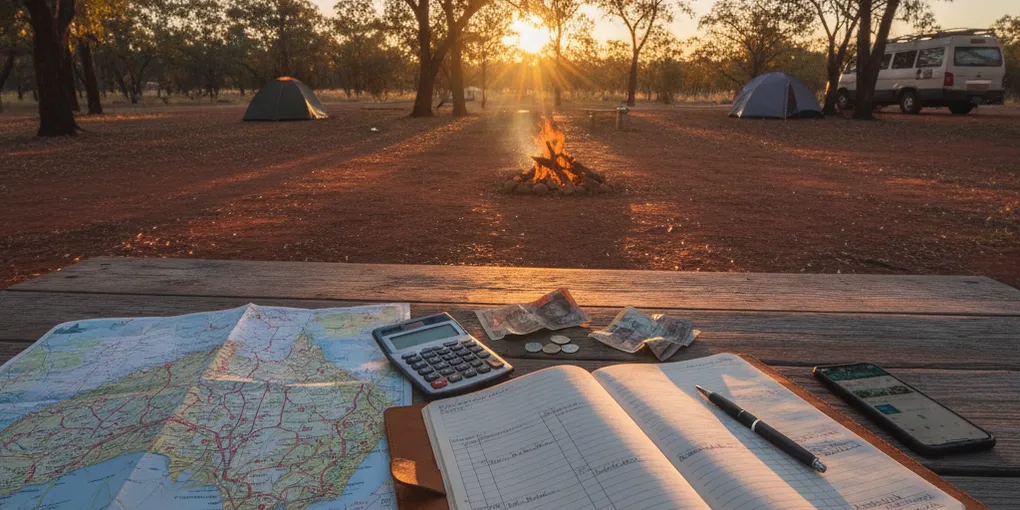
Planning your dream Big Lap of Australia? The biggest question on everyone’s mind is: how much does it ACTUALLY cost? A realistic Big Lap budget can range anywhere from $50,000 to well over $100,000 for a year of travel, depending heavily on your travel style and how you manage your expenses.
The “Big Lap” – that iconic Australian journey circumnavigating our vast continent – is a bucket-list adventure for so many. But while the freedom and scenery are priceless, the practicalities, especially the financial ones, need solid planning. Forget the glossy brochures; let’s dive into the nitty-gritty of a realistic Big Lap budget breakdown, so you can hit the road with confidence and without nasty financial surprises.
Real Big Lap Budget Breakdown: What You’ll Actually Spend
We’re not talking hypotheticals here. This is about understanding where your hard-earned cash will go when you’re out on the road, chasing sunsets and exploring the Outback. While every Big Lap is as unique as the traveller undertaking it, we can identify the key expenditure categories that will shape your overall cost.
Fuel: The Thirstiest Part of Your Budget
Let’s face it, Australia is massive, and your vehicle will be doing a lot of thirsty work. Fuel is consistently the biggest single expense for most Big Lappers.
- Average Fuel Costs: This is where your research needs to be detailed. Fuel prices vary wildly across states, territories, and even between towns. You’ll see prices from under $1.80/litre to over $2.50/litre.
- Vehicle Efficiency: A larger, older 4WD will guzzle more than a modern, efficient campervan. Know your vehicle’s kilometres per litre (or litres per 100km).
- Distance Covered: A 12-month lap covering 40,000km will obviously cost more in fuel than a 6-month lap doing 20,000km.
Ballpark Figures: For a year-long lap covering around 30,000-40,000km in a typical 4WD or campervan averaging 15L/100km, you could be looking at anywhere from $10,000 to $18,000 just for fuel. This is a huge variable, so track prices religiously!
Accommodation: From Free Camps to Caravan Parks
Your accommodation choices will significantly impact your budget. Do you prefer the free and wild, or the comfort and amenities of a powered site?
- Free Camping (Bush Camping): This is the ultimate budget saver! Many national parks (check for fees), rest areas, and designated free camps offer a place to park your rig for free or a nominal fee. This is where apps and community knowledge, like you’ll find through The Lap Club, is invaluable.
- Caravan Parks: These offer a range of facilities, from basic unpowered sites to fully serviced ensuite sites. Prices can range from $30/night for a basic site to $80+/night for premium options, especially in popular tourist areas or capital cities.
- National Park Fees: Many stunning locations within national parks come with entry fees or camping fees. Factor these in if you plan on extensive exploration of these areas.
- House Sitting/Farm Stays: These can be amazing opportunities to cut accommodation costs and experience local life.
Budgeting Tip: Aim for a mix. Perhaps a week of caravan parks for laundry and showering, then a week of free camping to balance it out.
Food & Groceries: Eating Like a King or a Queen on a Budget
This is another area where your travel style dictates the cost. Eating out every night will blow your budget quickly, but you can eat very well on a budget with smart shopping.
- Self-Catering: This is the most economical approach. Stock up at supermarkets when you can, especially in larger towns where prices are more competitive. Utilise your camp kitchen and fridge/freezer.
- Eating Out: Treat yourselves occasionally! A pub meal can cost $25-$40 per person, while a nice restaurant could be $50-$100+.
- Cafes & Coffee: That daily flat white can add up!
Average Spend: For a couple self-catering mostly, budget $40-$70 per day. If you plan on eating out regularly, double or even triple that.
Vehicle Maintenance & Repairs: The Unexpected Woes
It’s a harsh reality, but things break. Your trusty rig will need servicing, and sometimes, unexpected repairs pop up, especially when you’re kilometres from civilisation.
- Regular Servicing: Don’t skimp on oil changes, filter replacements, and tyre checks.
- Tyre Replacement: Tyres are a significant expense, especially for 4WDs. Factor in at least one full set replacement over a year-long lap.
- Emergency Repairs: This is where a good contingency fund is essential. A blown hose, a flat tyre in the middle of nowhere, or a more serious mechanical issue can cost thousands.
Recommendation: Budget at least $3,000 - $7,000 for maintenance and potential repairs. It’s better to have it and not need it!
Activities & Sightseeing: Experiencing the Best of Australia
This is what the Big Lap is all about! Tours, national park entries, attractions, boat trips, diving excursions – they all add up.
- National Park Passes: Consider an annual pass if you plan on visiting many NSW National Parks, for example.
- Tours & Experiences: Hot air ballooning over Alice Springs? Snorkelling the outer Great Barrier Reef? These are bucket-list items that come with a price tag.
- Museums, Galleries, Local Attractions: Many smaller towns have unique historical sites or quirky attractions worth visiting.
Budgeting: This is highly personal. Do your research on the activities you really want to do and price them up.
Miscellaneous Expenses: The Little Things That Matter
Don’t forget these often-overlooked costs:
- Park Fees: Dump points, showers at unpowered sites, sometimes small fees for basic amenities.
- LPG/Gas: For cooking and heating.
- Phone/Internet: Consider a good mobile plan with ample data.
- Washing: Laundromats can add up if you’re not free camping.
- First Aid/Medical: Any prescriptions, doctor visits.
- Souvenirs: For yourself and loved ones.
- Insurance: Vehicle, travel, and health insurance are non-negotiable.
Putting It All Together: A Sample Budget (for a Couple)
To give you a more concrete idea, here’s a sample budget for a couple travelling for 12 months. Remember, this is a guide and can be adjusted significantly based on your choices.
| Category | Low Budget (Daily Average) | Medium Budget (Daily Average) | High Budget (Daily Average) | Notes |
|---|---|---|---|---|
| Fuel | $35 | $50 | $60 | Assumes average 15L/100km, varying prices. |
| Accommodation | $20 | $50 | $80 | Mix of free camping, basic sites, occasional caravan parks. |
| Food & Groceries | $50 | $80 | $120 | Mostly self-catering, occasional dining out. |
| Activities & Sightseeing | $20 | $40 | $80 | Mix of free attractions, paid entry, occasional tours. |
| Vehicle Maintenance/Repairs | $10 | $20 | $30 | Daily average includes provision for larger future costs. |
| Miscellaneous | $15 | $25 | $40 | LPG, phone, laundry, small incidentals. |
| Total Daily Average | $150 | $265 | $410 | |
| Total 12-Month Budget | $54,750 | $96,725 | $149,650 | (Excludes initial vehicle/van purchase, insurance, contingency) |
Important Considerations Not Included in Daily Averages:
- Initial Vehicle Purchase/Fit-out: This can be the biggest upfront cost, ranging from a few thousand for a second-hand ute and camper shell to $100,000+ for a new motorhome.
- Insurance: Comprehensive vehicle insurance, travel insurance, and potentially income protection. This can be several thousand dollars annually.
- Contingency Fund: Absolutely ESSENTIAL! Aim for at least 10-20% of your total budget for unexpected events. This could be another $5,000 - $20,000.
Tracking Your Big Lap Budget: The Secret to Success
The most crucial element to staying on budget is diligent tracking. You need to know where your money is going in real-time. This is where The Lap Club Budget Tracker comes into its own. It’s designed specifically for travellers like us, making it simple to log expenses on the go and see your spending patterns at a glance. Understanding these patterns allows you to make informed decisions and adjustments to your spending throughout your journey.
Why Use a Budget Tracker for Your Big Lap?
- Real-Time Insights: See exactly how much you’re spending on fuel, food, or accommodation each week.
- Identify Overspends: Catch areas where you’re exceeding your budget before they become a major problem.
- Optimise Spending: Discover opportunities to save money by adjusting your habits.
- Peace of Mind: Knowing you’re in control of your finances reduces stress.
We highly recommend you dive into the features of The Lap Club Budget Tracker (https://lapclub.com.au/budget) – it’s a game-changer for managing your finances on the road.
Get Ready for Your Big Lap Adventure!
The Big Lap is an achievable dream for many Australians. With careful planning, realistic budgeting, and the right tools to manage your expenses, you can embark on the journey of a lifetime without financial worry. The journey of a thousand kilometres begins with a single step – and a well-planned budget!
For more tips and insights into planning your Big Lap, be sure to explore our blog at https://lapclub.com.au/blog. And if you’re keen to connect with a growing community of Big Lappers and get access to our upcoming app features, join the waitlist at https://lapclub.com.au!
Frequently Asked Questions (FAQ)
How much money do you need for a 12-month Big Lap?
For a 12-month Big Lap for a couple, a realistic budget can range from $50,000 (very frugal) to $100,000+ (comfortable travel), excluding the cost of the vehicle itself. This includes fuel, accommodation, food, activities, and a contingency fund.
What is the cheapest way to do the Big Lap?
The cheapest way involves extensive free camping, cooking all your own meals, limiting paid attractions, and driving a fuel-efficient vehicle.
What are the biggest expenses on a Big Lap?
The biggest expenses are typically fuel due to the vast distances, followed by accommodation (if not free camping) and food/groceries.
What is the best app for traveling Australia on a budget?
While many general budgeting apps exist, specific travel apps like The Lap Club Budget Tracker (https://lapclub.com.au/budget) are designed to help manage road trip expenses, including fuel, accommodation, and activities, making them ideal for travelling Australia.
Should I budget for vehicle repairs on a Big Lap?
Absolutely. A significant portion of your budget should be allocated to vehicle maintenance and potential unexpected repairs, as touring Australia can be tough on vehicles.