Tyre Pressures for Caravan Towing: Bitumen, Gravel & Sand Secrets Revealed!
Master caravan tyre pressures for bitumen, gravel, and sand. Stay safe & comfortable on your Big Lap!
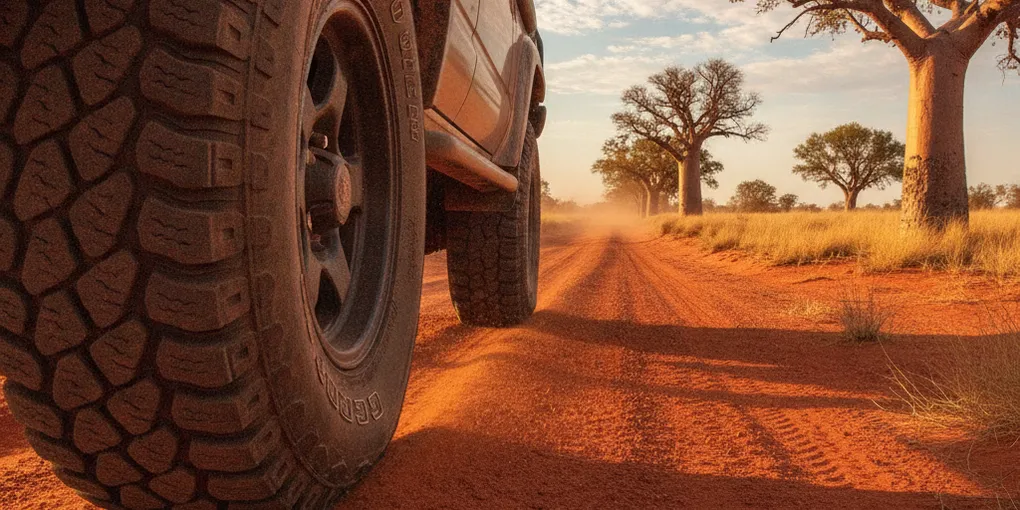
Caravan Tyre Pressures: The Big Lap Game Changer for Bitumen, Gravel & Sand
Getting your caravan tyre pressures right is absolutely critical for a safe, comfortable, and efficient Big Lap. The ideal pressure changes drastically depending on whether you’re cruising on bitumen, navigating dusty gravel tracks, or tackling soft sand.
Why Tyre Pressure Matters More Than You Think
You’ve done the hard yards. You’ve bought the caravan, planned the route, and you’re ready to hit the road. But before you embark on your epic Australian adventure, let’s talk about something that can make or break your trip: caravan tyre pressures. It might seem like a small detail, but getting it right can significantly impact your vehicle’s handling, fuel economy, tyre wear, and most importantly, your safety.
When towing a caravan, you’re dealing with a lot of extra weight, and the way your tyres interact with the road surface is completely different to driving an unladen vehicle. The pressures need to be adjusted not just for the load, but for the terrain.
Bitumen Bliss: Smooth Sailing on the Tarmac
Most of your Big Lap will likely be spent on bitumen. Here, the goal is to maintain the recommended pressure for your caravan’s load and tyre manufacturer.
Common Pitfalls on Bitumen:
- Over-inflation: This can lead to a harsh ride, reduced traction (especially in wet conditions), and increased wear on the centre of your tyres.
- Under-inflation: This is dangerous. It causes tyres to overheat, leading to potential blowouts, excessive fuel consumption, and wear on the outer edges of the tread. It also negatively impacts handling and stability.
What to Aim For:
Generally, for bitumen, you’ll be running closer to the higher end of the recommended pressure range for your tyres. This provides a firmer ride and better stability when towing. Always consult your caravan manufacturer’s manual and your tyre sidewall for the maximum recommended pressures. Remember, this is a starting point. Your actual pressure will depend on the specific weight of your caravan when loaded.
A Quick Guide (Always Verify!):
While precise figures vary wildly, a common starting point for many caravans on bitumen, when fully loaded, might range from 45-65 PSI (Pounds per Square Inch) for light truck tyres commonly used on caravans. However, this is a generalised figure. Never rely solely on this. The most crucial piece of advice is to weigh your caravan, understand your axle loads, and then check the tyre manufacturer’s load and inflation tables.
Gravel Getaways: Taming the Aussie Outback
Australia’s gravel roads are legendary, and they demand a different approach to tyre pressures. Dropping your tyre pressures slightly on gravel can dramatically improve comfort, traction, and reduce the jarring impact on your caravan.
Why Lower Pressure on Gravel?
- Increased Contact Patch: Lowering the pressure allows the tyre to splay out a bit more, increasing its contact with the ground. This translates to better grip, especially on loose surfaces.
- Smoother Ride: The tyre acts more like a cushion, absorbing bumps and vibrations that would otherwise be transmitted directly to your caravan’s chassis. This is a huge win for comfort and reduces stress on your van’s components.
- Reduced Punctures: A slightly deflated tyre can mould around small stones and sharp objects, rather than having them dig into the sidewall or tread.
How Much to Lower?
This is where it gets a bit more nuanced. A common recommendation is to drop pressures by 10-15% from your bitumen pressures. So, if you were running 60 PSI on bitumen, you might drop to around 51-54 PSI on gravel.
The 4 PSI Rule:
A popular rule of thumb in the caravanning community is the “4 PSI drop” for gravel. If your bitumen pressure is 60 PSI, try dropping to 56 PSI. Drive for a bit, check tyre temperature (they should be cool to warm, not hot), and assess the ride. You can often go lower if needed, but always be mindful of the risk of tyre damage from under-inflation.
Important Considerations for Gravel:
- Tyre Sidewall Strength: Ensure your caravan tyres are rated for the type of terrain you’ll be encountering.
- Monitor Tyre Temperature: After adjusting pressures, drive a short distance and feel your tyres. They should be warm, but not so hot that you can’t comfortably touch them. Overheated tyres are a sign of under-inflation.
- Inspect for Damage: Regularly check your tyres for any cuts, bulges, or foreign objects, especially after a stint on gravel.
Sand Surfing: Navigating the Coastline
Tackling sandy tracks, whether it’s a beach access point or a remote coastal campsite, requires the most significant reduction in tyre pressure. The goal is to float on top of the sand, not dig into it.
The Science of Sand:
On sand, you want to maximise your tyre’s surface area to distribute the weight of your caravan over the largest possible area. This prevents the tyres from sinking.
Drastic Reductions Needed:
Expect to drop your pressures significantly, often down to 20-30 PSI, or even lower in very soft sand. Some seasoned travellers might even go down to 15 PSI for their van tyres in extreme conditions.
Crucial Steps for Sand:
- Pre-Planning is Key: If possible, drive on the sand at lower tide.
- Momentum is Your Friend: Once you start on sand, try to maintain steady momentum. Sudden braking or accelerating can cause you to bog down.
- Straighten Your Wheels: When stopped on sand, avoid turning your wheels as this increases resistance and can cause you to get stuck.
- Always Carry a Tyre Deflator and Compressor: You’ll need to be able to quickly let air out and then re-inflate your tyres once you’re back on firmer ground.
- Consider Tyre Tread: Aggressive, open tread patterns are generally better for sand.
A Word of Caution: Driving on sand with a caravan is an advanced manoeuvre. Be honest about your experience and the capabilities of your vehicle and caravan. If in doubt, seek local advice or avoid it altogether.
The Lap Club Tyre Pressure Advisor: Your Personalised Solution
Understanding these general guidelines is a great start, but your caravan, your load, and your tyres are unique. That’s where The Lap Club Tyre Pressure Advisor comes in. This invaluable tool, accessible via https://lapclub.com.au/tyres, takes the guesswork out of finding the perfect tyre pressure for your specific setup and the terrain you’re tackling.
No more relying on generic advice that might not be right for you. The Tyre Pressure Advisor will guide you through a few simple steps to provide personalised recommendations, ensuring optimal safety, comfort, and tyre life on your travels. It’s designed by caravanners, for caravanners, to help you get the most out of your Big Lap.
Towing Stability: More Than Just Pressure
While tyre pressure is paramount, don’t forget other factors contributing to towing stability:
- Weight Distribution: Load your caravan evenly, with heavier items placed over or slightly forward of the axles.
- Ball Weight: Ensure you have the correct ball weight as recommended by your caravan and vehicle manufacturer.
- Tow Ball Mount: Make sure your tow ball mount is securely fitted and appropriate for your vehicle.
- Tyre Tread Depth: Worn tyres have significantly reduced grip, especially in wet conditions.
- Driving Style: Avoid sudden braking or sharp turns. Drive defensively and allow plenty of stopping distance.
Make Your Big Lap Easier with The Lap Club
The Big Lap is an incredible experience, and we’re passionate about helping you have the best time possible. The Lap Club is more than just an app; it’s a community of like-minded travellers sharing tips, advice, and their incredible journey stories.
To ensure you have all the tools and support you need for your adventure, we encourage you to join the waitlist for The Lap Club app at https://lapclub.com.au. It’s packed with features designed to make planning and executing your travels smoother and more enjoyable. Explore our blog for more essential travel tips and guides at https://lapclub.com.au/blog.
Frequently Asked Questions (FAQ)
What is the best tyre pressure for towing a caravan on bitumen?
For bitumen, you’ll generally run higher pressures, typically between 45-65 PSI for many caravan tyres when fully loaded. However, this is a starting point. The exact pressure depends on your caravan’s weight, axle loads, and tyre manufacturer’s recommendations. Always weigh your caravan and consult your tyre’s load rating.
How much should I lower my caravan tyre pressure for gravel roads?
A common recommendation is to reduce bitumen pressures by 10-15%, or use the “4 PSI drop” rule. For example, if you run 60 PSI on bitumen, try 54-56 PSI on gravel. Monitor tyre temperature and ride comfort, but avoid going too low to prevent sidewall damage.
What tyre pressure should I use for sand when towing a caravan?
On sand, you need to significantly lower pressures to float on the surface. This can be anywhere from 20-30 PSI, or even lower in very soft conditions. Always use a tyre deflator and compressor, maintain momentum, and drive with straight wheels when possible.
What is the best app for travelling Australia with a caravan?
While there are many great resources, The Lap Club is building a comprehensive platform specifically for Australian travellers. Features like the Tyre Pressure Advisor, community forums, and trip planning tools aim to make it an essential companion for your Big Lap. Join the waitlist at https://lapclub.com.au to be the first to experience it.
Should I use the same tyre pressure for my tow vehicle and caravan?
No, absolutely not. Your tow vehicle and caravan have different weights, tyre types, and load capacities. Their ideal tyre pressures will be different. Always refer to the manufacturer’s recommendations for both your vehicle and your caravan.