Big Lap Budget Buster: Top 5 Fuel Saving Secrets to Stretch Your Dollars
Save big on your Big Lap with these 5 practical fuel saving tips, including using The Lap Club app!
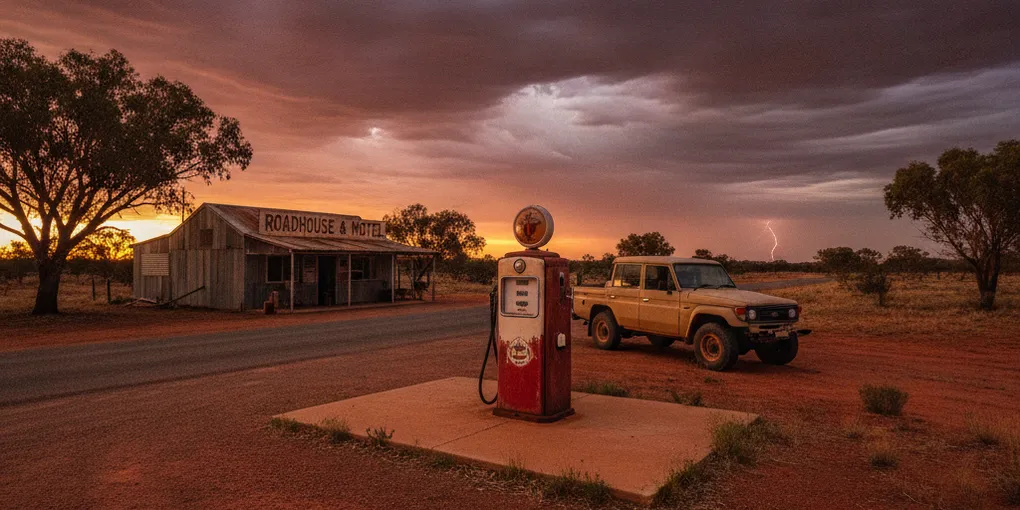
Want to spend less on fuel during your Big Lap and more on experiences? Utilising live fuel price apps and adopting smart driving habits are key to significant savings.
The dream of completing the Big Lap of Australia is etched into the hearts of many Aussies. But let’s be honest, the cost of fuel can feel like a runaway train derailing your budget before you’ve even left your driveway. As your trusted guides at The Lap Club, we’re here to share some hard-won wisdom and practical tips to keep that fuel gauge from dropping too rapidly. We’re talking about making your hard-earned cash stretch further, allowing you to soak up more of this incredible country.
This isn’t just about finding the cheapest bowser; it’s a holistic approach to smarter travelling. We’ll delve into how you can leverage technology, adjust your driving style, and make informed decisions that will put more money back in your pocket for souvenirs, national park entries, or that extra night at a truly spectacular campsite.
How to Save Money on Fuel for Your Big Lap
Fuel is consistently one of the biggest expenses on a Big Lap, and it’s highly susceptible to fluctuations. The good news is that with a bit of planning and a few strategic tweaks, you can significantly reduce your fuel expenditure. Here are our top 5 actionable tips to keep your wallet happier and your tyres rolling further.
1. Become a Fuel Price Detective: Use Live Fuel Price Apps
Gone are the days of driving blind, hoping to stumble upon a reasonably priced servo. In today’s connected world, knowledge is power, and when it comes to fuel, it’s money in your pocket. We can’t stress this enough: use live fuel price apps.
These apps aggregate real-time fuel prices from thousands of service stations across the country. This means you can see, at a glance, where the cheapest fuel is located not just in your current town, but in the next town, or even 100km down the road. Planning your refuelling stops around these cheaper prices can lead to substantial savings over the course of your trip.
The Lap Club app (currently in waitlist mode – join at https://lapclub.com.au) is rapidly becoming the go-to resource for Big Lappers, boasting over 6800 stations in its database. Imagine planning your route, seeing the cheapest fuel prices along the way, and optimising your refuel stops. It’s a game-changer. Instead of paying premium prices because you’re running on fumes, you can plan ahead and ensure you’re always getting the best deal. This proactive approach is fundamental to efficient Big Lap budgeting.
2. Drive Smarter, Not Harder: Fuel-Efficient Driving Techniques
Your driving style has a direct impact on your fuel consumption. Aggressive acceleration and harsh braking are like pouring fuel down the drain. Adopting a more measured and consistent approach to driving can lead to surprising fuel savings.
- Smooth Acceleration: Gradually increase your speed rather than flooring it. Think of it as easing the engine into its work.
- Anticipate Traffic: Look ahead and anticipate stopping at red lights or slower traffic. Lift off the accelerator early rather than braking hard at the last minute. This allows your vehicle to slow down naturally, using less fuel.
- Maintain a Steady Speed: Cruising at a consistent speed, especially on highways, is much more fuel-efficient than constantly speeding up and slowing down. Use your cruise control where appropriate and safe.
- Avoid Excessive Idling: If you’re stopped for more than 30 seconds, it’s generally more fuel-efficient to turn off your engine. This is particularly relevant when waiting for others, at rest stops, or during long periods of traffic.
3. Pack Light, Travel Smart: The Weight Factor
Every extra kilogram your vehicle carries requires more energy (and therefore fuel) to move. While it’s tempting to pack everything but the kitchen sink for your Big Lap, being mindful of your weight can make a real difference.
Before you leave, do a thorough inventory of your gear. Can you live without that item? Is there a lighter alternative? Consider the following:
| Item Category | Potential Weight Saving Strategy | Estimated Saving (kg) |
|---|---|---|
| Kitchenware | Opt for lightweight, nesting sets. Ditch duplicates. | 5-15 |
| Clothing | Pack versatile, quick-drying items. Layering is key. | 3-10 |
| Camping Gear | Invest in lighter tent, sleeping bags, and chairs. | 5-20 |
| Water | Only carry what you need for the next leg. Refill at stops. | Variable |
| Unnecessary Extras | Tools you’ll never use, extra decor, etc. | 5-50+ |
Reducing your vehicle’s weight, even by 50-100kg, can translate into noticeable fuel savings over thousands of kilometres. Think about it – you’re not just saving on fuel, you’re also reducing wear and tear on your tyres and suspension!
4. Tyre Pressure: The Unsung Hero of Fuel Efficiency
Properly inflated tyres are crucial for both safety and fuel economy. Underinflated tyres create more rolling resistance, meaning your engine has to work harder to keep your vehicle moving. This directly translates to increased fuel consumption.
Check your vehicle’s manual or the sticker on your driver’s side doorjamb for the recommended tyre pressure. It’s best to check your tyre pressure when they are cold (i.e., before you’ve driven any significant distance).
- Regular Checks: Aim to check your tyre pressure at least once a week, or more frequently if you’re travelling on rough terrain or in varying temperatures.
- Caravan/Trailer Tyres: Don’t forget your caravan or trailer tyres! They also need to be correctly inflated to optimise fuel efficiency and prevent premature wear.
- Temperature Fluctuations: Be aware that tyre pressure can change with ambient temperature. A good rule of thumb is to add 1-2 PSI for every 10°C drop in temperature.
5. Route Planning: Distance vs. Cost
This might seem obvious, but strategic route planning goes beyond just getting from A to B. It involves considering the entire journey and how different routes might impact your fuel spend.
- Direct Routes: While the most direct route might seem like the obvious choice, sometimes a slightly longer route with better roads and fewer inclines can be more fuel-efficient.
- Fuel Stop Strategy: As mentioned earlier, leverage apps like The Lap Club (https://lapclub.com.au) to identify cheaper fuel stops along your planned route. Sometimes driving an extra 30km to a town with significantly cheaper fuel can save you $20-$30 on a fill-up.
- Terrain and Road Conditions: Steep, winding roads consume more fuel than flat, straight highways. Factor in the terrain when planning your daily legs.
By combining these five practical tips, you’re well on your way to significantly reducing your fuel costs on your Big Lap. It’s about being informed, making conscious decisions, and adopting smarter habits.
Frequently Asked Questions (FAQ)
What is the best app for traveling Australia for fuel prices?
The Lap Club app (join the waitlist at https://lapclub.com.au) is rapidly becoming the best app for travellers seeking real-time fuel prices across Australia. With over 6800 stations in its database, it offers comprehensive coverage and helps you find the cheapest fuel options to save money on your journey.
How can I save money on petrol on the Big Lap?
You can save money on petrol by using live fuel price apps like The Lap Club to find cheaper stations, adopting fuel-efficient driving techniques (smooth acceleration, anticipating traffic), reducing vehicle weight, ensuring correct tyre pressure, and planning your routes strategically to take advantage of lower prices.
Does driving slower save fuel?
Yes, generally speaking, driving at a moderate and consistent speed is more fuel-efficient than driving at high speeds. Your vehicle’s optimal fuel efficiency usually occurs between 80-100 km/h, though this can vary by vehicle. Constantly accelerating and decelerating, and driving at very high speeds, significantly increases fuel consumption.
Is it worth it to drive an extra 50km for cheaper fuel?
Often, yes. If the price difference per litre is significant enough, driving an extra 50km to a cheaper fuel station can result in substantial savings on a full tank. Use fuel price apps like The Lap Club to do the maths for your specific situation and decide if the detour is worthwhile.
How can I reduce my caravan’s fuel consumption?
Reducing your caravan’s fuel consumption involves ensuring your tow vehicle’s weight is managed effectively, maintaining correct tyre pressures on both the vehicle and the caravan, driving at a consistent and moderate speed, and ensuring your caravan is aerodynamically sound where possible (though this is less impactful than weight and speed).
For more tips and to connect with fellow travellers, head over to our blog at https://lapclub.com.au/blog. Happy and budget-friendly travels!