Free Camping Australia: Your Ultimate Big Lap Guide
Discover incredible free camping spots across Australia. Your ultimate guide for the Big Lap with The Lap Club.
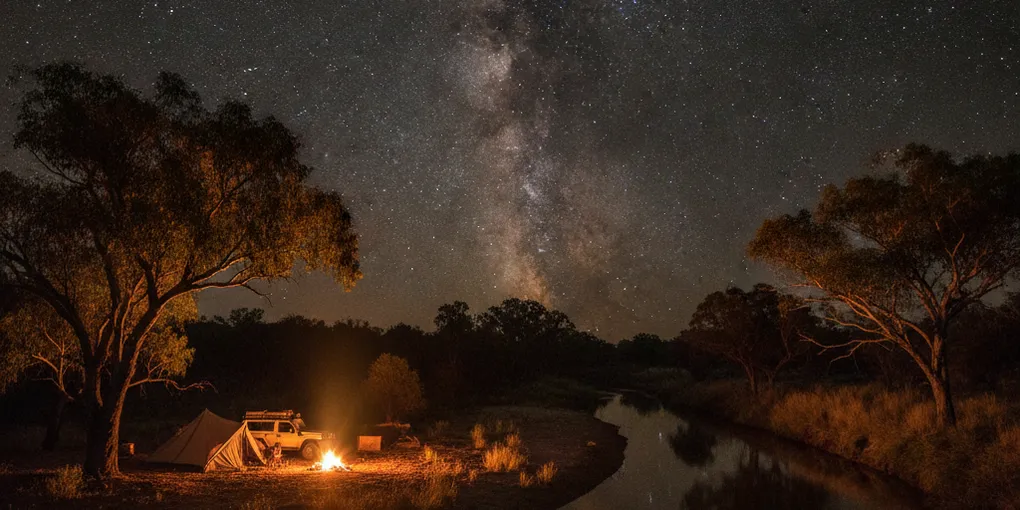
Free Camping Australia: Your Ultimate Big Lap Guide
Dreaming of waking up to the sounds of nature without spending a cent on accommodation? Free camping across Australia is the ultimate way to stretch your travel budget and experience the true spirit of the Outback and coastline.
Australia is blessed with an abundance of stunning locations perfect for setting up camp for free, allowing you to immerse yourself in the natural beauty of this vast continent. From secluded bush camps to coastal hideaways, the options are endless for those willing to do a little research and embrace the adventure.
Why Free Camp on Your Big Lap?
The appeal of free camping is undeniable for anyone embarking on a Big Lap. It’s not just about saving money, though that’s a huge perk. It’s about:
- Authentic Experiences: Getting off the beaten path and connecting with nature in its purest form.
- Flexibility: The freedom to move when you want, stay longer in a place you love, or change your plans on a whim.
- Budgeting: Significantly reducing your daily travel expenses, allowing for longer trips or more exploration.
- Community: Often, free camps are social hubs where you can meet fellow travellers, share stories, and swap tips.
Finding FREE Camping Spots: Your Essential Toolkit
Navigating Australia’s vast landscape for free campsites can feel like a treasure hunt. Fortunately, there are several reliable resources to help you discover these hidden gems.
1. The Lap Club Explore Map: Your Digital Compass
When planning your Big Lap, having a reliable and comprehensive resource at your fingertips is crucial. The Lap Club Explore Map (https://lapclub.com.au/explore) is designed by travellers, for travellers, and is an invaluable tool for finding free camping locations across Australia. It’s constantly updated with user-submitted information, ensuring you get the most current details on available spots. You can filter by location, amenities (or lack thereof!), and even read recent reviews from other members of the community. This is your go-to for discovering places you might not find anywhere else.
2. HEMA Maps and Guides
HEMA is a household name for Australian adventurers. Their detailed maps and guidebooks are a fantastic investment for anyone travelling off-road or seeking out remote locations. They often mark designated free camping areas, national parks with camping allowances, and rest stops.
3. WikiCamps Australia (Paid App)
While not free itself, WikiCamps is a highly popular and comprehensive paid app that lists thousands of campsites, including many free options. It’s crowdsourced, meaning users regularly update information, add photos, and leave reviews. It’s a staple for many Big Lappers.
4. Campervan & RV Australia (Facebook Groups & Forums)
Online communities are goldmines of information. Search for “Free Camping Australia,” “Big Lap,” or specific state-based camping groups on Facebook. These forums are often buzzing with real-time updates and personal recommendations from fellow travellers.
5. Local Tourist Information Centres
Don’t underestimate the power of local knowledge! When you arrive in a new town, pop into the local Visitor Information Centre. Staff are usually clued up on nearby free camping spots, especially those managed by local councils.
6. Council Websites and Signage
Many local government councils provide free camping areas as a way to attract travellers to their regions. Check individual council websites before you arrive, and always keep an eye out for signage as you travel – sometimes the best spots are simply indicated by a brown sign.
Types of Free Campsites in Australia
Free camping isn’t one-size-fits-all. You’ll encounter a range of options, each with its own charm and set of expectations:
- Rest Areas: Often located along major highways, these are typically basic stops with toilets and picnic tables. They’re great for an overnight stop but usually not for extended stays.
- Designated Free Camps: These are specific areas set aside by local councils or government bodies for free camping. They can range from simple clearings to well-equipped sites with toilets, picnic tables, and sometimes even fire pits.
- National Parks & State Forests: Many national and state parks offer free camping, though this often comes with stricter rules regarding campfires, waste disposal, and length of stay. Always check park regulations before setting up.
- Station Stays & Community Camps: Sometimes, rural properties or small communities offer free camping as a way to encourage visitors. These can be incredibly rewarding experiences.
Understanding Free Camping Etiquette: Leave No Trace
Free camping is a privilege, not a right. To ensure these spots remain available for future travellers, strict adherence to Leave No Trace principles is paramount.
| Principle | What it Means for Free Campers |
|---|---|
| Plan Ahead & Prepare | Know where you’re going, check for fire bans, and carry all you need. |
| Travel & Camp on Durable Surfaces | Stick to existing tracks and camp clearings. Avoid fragile vegetation. |
| Dispose of Waste Properly | Pack it in, pack it out. This includes all rubbish, food scraps, and toilet waste. |
| Leave What You Find | Don’t take rocks, plants, or historical artefacts. |
| Minimize Campfire Impacts | Use existing fire rings, keep fires small, and ensure they are fully extinguished. Check fire bans religiously! |
| Respect Wildlife | Observe animals from a distance. Never feed them. |
| Be Considerate of Other Visitors | Keep noise levels down, respect personal space, and be friendly. |
Essential Gear for Free Campers
While you can free camp with minimal gear, a few items will make your experience much more comfortable and responsible:
- Portable Toilet (Chemical or Composting): Crucial for managing waste responsibly where no facilities exist.
- Water Storage: Carry plenty of water, or have a reliable filtration/purification system.
- Rubbish Bags: Enough to pack out everything.
- Shovel: For burying human waste if a toilet isn’t available and for managing campfires.
- Firewood: If campfires are permitted, bring your own responsibly sourced wood.
- First-Aid Kit: Always essential for remote travel.
- Navigation Tools: Maps, compass, GPS, and your phone with apps like The Lap Club Explore Map.
The Big Lap and The Lap Club
Embarking on your Big Lap is a journey of discovery, and finding the perfect camping spots is a massive part of that adventure. The Lap Club community is all about sharing these discoveries and making the planning process smoother for everyone. We encourage you to explore the wealth of information and connect with other travellers. While our full app is currently in waitlist mode, you can still access invaluable resources like the Explore Map on our website at https://lapclub.com.au. Joining our waitlist means you’ll be among the first to know when the app launches, bringing even more features and community connections to your fingertips.
Considering Different Vehicle Types
The type of vehicle you’re travelling in will influence where you can free camp:
- Caravans & Motorhomes: You’ll generally need more accessible locations, often with designated parking areas or slightly larger clearings.
- 4WDs & Campers Trailers: These can often access more remote, rugged, and secluded spots.
- Vans & Smaller Vehicles: You have the most flexibility, able to fit into smaller spaces and access a wider range of rest areas and basic camps.
Safety on the Road and at Camp
Always prioritise safety.
- Let Someone Know Your Plans: Inform a friend or family member of your general route and expected check-in times.
- Check Weather Forecasts: Be prepared for sudden changes in conditions, especially in remote areas.
- Be Aware of Your Surroundings: Note potential hazards and wildlife.
- Secure Your Campsite: Especially if leaving it unattended for short periods.
Frequently Asked Questions (FAQ)
How can I find free camping spots in Australia?
You can find free camping spots using resources like The Lap Club Explore Map (https://lapclub.com.au/explore), HEMA maps, paid apps like WikiCamps, local tourist information centres, council websites, and by looking for signage. Online communities and forums are also valuable sources of information.
What is the best app for traveling Australia for free camping?
While there isn’t one single “best” app, The Lap Club Explore Map (https://lapclub.com.au/explore) is a powerful, community-driven tool specifically for Big Lap travellers. WikiCamps is also a very popular and comprehensive paid option.
Is free camping legal in Australia?
Free camping is legal in designated areas. However, it’s crucial to research and confirm that you are in an approved spot. Many areas have restrictions, and “bush camping” outside of these designated zones can lead to fines. Always look for official signage or information from local authorities.
What are the basic rules for free camping in Australia?
The fundamental rule is to “Leave No Trace.” This means packing out all your rubbish, disposing of waste properly, minimising campfire impacts (checking for fire bans is critical!), respecting wildlife, and being considerate of other campers. Always check local regulations for specific rules.
Do I need a special permit for free camping in Australia?
Generally, no special permit is required for most designated free camping areas. However, some national parks or specific council-managed sites might have length-of-stay limits or require a booking even if there’s no fee. It’s always best to verify the specific rules for the area you plan to camp in.
Happy travels and happy camping! For more tips and to join a growing community of Big Lappers, check out https://lapclub.com.au. And don’t forget to head over to our blog at https://lapclub.com.au/blog for more Australian travel inspiration.