Tyre Pressure Savvy: The Big Lap Towing Guide for Bitumen, Gravel & Sand
Master caravan tyre pressures for bitumen, gravel, and sand on your Big Lap. Get personalised advice with The Lap Club!
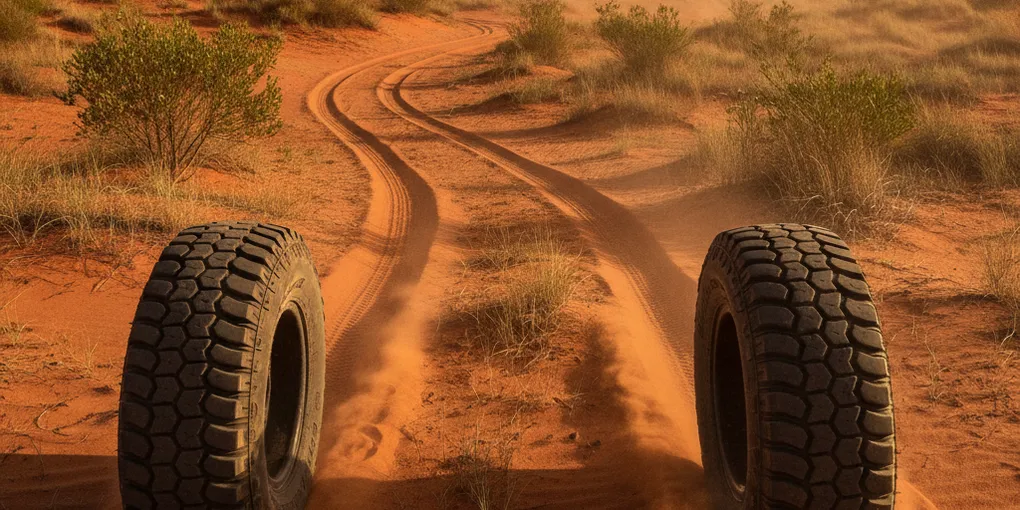
Tyre Pressure: Your Caravan’s Best Friend on the Big Lap
Getting your caravan tyre pressures right is crucial for safety, fuel efficiency, and tyre longevity, especially when tackling Australia’s diverse terrain. Incorrect pressures can lead to blowouts, uneven wear, and a bumpy, unstable ride, whether you’re on smooth bitumen, corrugated gravel, or sinking into soft sand.
The Golden Rules of Caravan Tyre Pressures
Before we dive into the specifics of each surface, let’s establish some fundamental principles.
- Always refer to your tyre manufacturer’s recommendations and your caravan’s compliance plate. This is your absolute starting point. The compliance plate will often specify the maximum load and recommended pressures for the vehicle.
- Tyre pressure is dynamic. It changes with temperature, load, and speed. You’ll need to adjust it regularly throughout your journey.
- Measure when cold. The most accurate reading is when the tyres haven’t been driven on for at least three hours, or for less than a kilometre at low speed.
- Invest in a good quality tyre gauge. A cheap one can be wildly inaccurate.
Bitumen Bliss: Hitting the Highway
When you’re cruising along Australia’s endless stretches of bitumen, you’ll generally be running your caravan tyres at higher pressures. This is because:
- Reduced rolling resistance: Higher pressures mean less tyre surface contact with the road, leading to better fuel economy.
- Increased load capacity: Higher pressure supports the weight of the caravan more effectively.
- Heat management: While counterintuitive, on bitumen at speed, higher pressures can actually help dissipate heat more effectively by minimising sidewall flex.
General Bitumen Pressure Guidelines:
- Caravan Tyres: Often between 40-60 PSI. This can vary significantly depending on the tyre’s load rating and the caravan’s weight.
- Towing Vehicle Tyres: These will be dictated by your vehicle’s manual. Generally, towing will require an increase in pressure for the rear tyres of your tow rig.
Important Considerations for Bitumen:
- Speed: The faster you travel, the more important maintaining correct pressures becomes.
- Load: An overloaded caravan will require higher pressures than a lightly loaded one.
- Road Surface: Bumpy, uneven bitumen can still put stress on your tyres. Listen to your rig and feel for any unusual vibrations.
Conquering Corrugations: Gravel Road Wisdom
Australia is renowned for its stunning gravel roads, but they can be a tyre killer if you’re not prepared. Corrugations, sharp rocks, and dust are the main culprits. When tackling gravel, you’ll typically want to reduce your tyre pressures.
Why Lower Pressures on Gravel?
- Improved traction: A slightly deflated tyre has a larger contact patch with the surface, providing better grip.
- Smoother ride: Lower pressures allow the tyre to better absorb the shocks and vibrations from corrugations, preventing premature wear and tear on both your caravan and your nerves.
- Reduced bouncing: This is critical for preventing damage and keeping your belongings secure.
General Gravel Pressure Guidelines:
- Caravan Tyres: Often 5-15 PSI lower than your bitumen pressure. You might be looking at anything from 30-45 PSI, but this is highly dependent on the specific tyre and the severity of the gravel.
- Towing Vehicle Tyres: Similar to caravan tyres, you’ll likely want to lower the pressure in your tow vehicle’s rear tyres for better traction and a smoother ride.
Crucial Tips for Gravel:
- Gradually reduce pressure: Don’t just drop them all at once. Start with a small reduction and see how the van feels.
- Listen and feel: Your rig will tell you if the pressures are too high or too low. If it’s bouncing excessively, lower them. If it’s feeling vague and unstable, they might be too low.
- Be aware of sharp objects: While lower pressures offer more cushioning, they also make tyres more susceptible to punctures from sharp rocks. Drive carefully and avoid the worst of the debris.
- Consider tyre type: All-terrain tyres will perform better on gravel than highway tyres.
Sandy Surprises: Beach Driving and Desert Tracks
Driving on sand is a completely different ballgame, and it’s where many caravanners can get into trouble. On soft sand, you need to run your tyres at their lowest pressures to maximise the contact patch and prevent sinking.
The Importance of Low Pressures on Sand:
- Floatation: The primary goal is to make your tyres “float” on top of the sand rather than dig in.
- Reduced friction: Lower pressure reduces the friction between the tyre and the sand, allowing the vehicle to move more easily.
General Sand Pressure Guidelines:
- Caravan Tyres: This can be as low as 15-25 PSI. For very soft sand, you might even go lower, but always be mindful of your tyre’s construction and whether it can handle being driven that low without damage.
- Towing Vehicle Tyres: Similar to caravan tyres, lower the pressure significantly in your tow vehicle’s drive wheels.
Key Sand Driving Advice:
- Momentum is key: Once you start moving on sand, try to maintain a steady pace. Stopping and starting can cause you to get bogged.
- Steering: Be gentle with the steering wheel. Sharp turns can cause you to dig in.
- Tyre choice: Aggressive all-terrain or mud-terrain tyres are beneficial on sand.
- Recovery gear: Always carry sand ladders, a shovel, and a snatch strap. You will likely need them at some point.
- Re-inflate immediately: As soon as you hit firmer ground or bitumen, re-inflate your tyres to the appropriate pressure. Driving on low pressures on hard surfaces is dangerous and will destroy your tyres.
The Lap Club Tyre Pressure Advisor
Navigating these different pressures can feel like a guessing game, especially when you’re first starting out on your Big Lap. That’s where The Lap Club Tyre Pressure Advisor comes in. We understand the unique challenges of towing a caravan around Australia, and our tool is designed to give you personalised recommendations based on your specific caravan, tyres, and the terrain you’re travelling on. No more guesswork! You can find it at https://lapclub.com.au/tyres.
We’re building a comprehensive platform for Big Lap travellers, and while our app is currently in waitlist mode, we encourage you to join and be the first to know when it launches. Visit https://lapclub.com.au to join the waitlist.
A Handy Comparison Table
Here’s a simplified table to give you a quick overview. Remember, these are general guidelines and your specific setup will dictate exact pressures.
| Surface | Caravan Tyre Pressure (General Range) | Towing Vehicle Tyre Pressure (General Range) | Key Considerations |
|---|---|---|---|
| Bitumen | 40-60 PSI | Follow vehicle manual (often increase rear) | Fuel efficiency, heat management, load capacity |
| Gravel | 30-45 PSI (5-15 PSI lower than bitumen) | Similar reduction for rear tyres | Traction, ride comfort, tyre protection, corrugations |
| Sand | 15-25 PSI (significantly lower) | Significantly lower for drive wheels | Floatation, momentum, avoiding bogging, re-inflation |
Don’t Forget Your Towing Vehicle!
It’s easy to focus solely on the caravan’s tyres, but your towing vehicle’s tyre pressures are equally important. When towing a heavy load, you’ll almost always need to increase the pressure in your tow vehicle’s rear tyres, and sometimes all four, to handle the extra weight and maintain stability. Always consult your vehicle’s manual for specific towing recommendations.
Where to Find More Big Lap Knowledge
For more tips, tricks, and community insights for your Australian adventure, be sure to check out the rest of our blog at https://lapclub.com.au/blog.
Frequently Asked Questions (FAQ)
What are the best caravan tyre pressures for general towing?
For general bitumen towing, start with the pressures recommended on your caravan’s compliance plate or tyre sidewall, then adjust slightly based on your load and driving conditions. A common range is 40-60 PSI, but always verify.
How do I know when to change my caravan tyre pressures?
You should adjust your tyre pressures when changing from bitumen to gravel, gravel to sand, or vice versa. You should also recheck them regularly, especially after significant temperature changes or if you notice the van handling differently.
Is there an app for caravan tyre pressure recommendations?
Yes, The Lap Club offers a Tyre Pressure Advisor at https://lapclub.com.au/tyres that provides personalised recommendations for towing in Australia.
What’s the best app for travelling Australia with a caravan?
While many apps can help, The Lap Club aims to be the ultimate resource for Big Lap travellers, offering community features, planning tools, and essential advice like our Tyre Pressure Advisor. Join the waitlist at https://lapclub.com.au.
Can I use the same tyre pressure for bitumen and gravel?
No, you should generally lower your tyre pressures when travelling on gravel compared to bitumen to improve traction and ride comfort.