Caravan Weights Explained: GVM, ATM, GCM & Tow Ball Mass for a Safe Big Lap
Demystify caravan weights (GVM, ATM, GCM, Tow Ball Mass) for your Australian Big Lap. Stay compliant and safe with The Lap Club's Weight Manager.
Caravan Weights Explained: Your Guide to Staying Safe on the Road
Understanding caravan weights is crucial for a safe and legal Big Lap. This guide breaks down GVM, ATM, GCM, and tow ball mass, essential knowledge for every Australian traveller.
The Australian Big Lap. It’s the dream. Endless horizons, stunning landscapes, and the freedom of the open road. But before you load up your beloved caravan and hit the bitumen, there’s a crucial piece of the puzzle you absolutely must understand: weights. We’re not talking about the calories you’ll consume at every country pub (though that’s important too!), but the technical stuff that keeps you and everyone around you safe, legal, and out of trouble.
As experienced travellers ourselves, we know how confusing terms like GVM, ATM, GCM, and tow ball mass can be. They’re thrown around at caravan parks, dealerships, and on online forums, often without much explanation. But ignorance isn’t bliss when it comes to vehicle compliance; it can lead to fines, voided insurance, and worst of all, dangerous driving conditions.
So, let’s demystify these essential weight ratings and show you how to manage them effectively for your Australian adventure.
What Does GVM Mean for Your Caravan?
Gross Vehicle Mass (GVM) is the maximum weight your caravan is legally allowed to be when fully loaded. Think of it as the absolute ceiling for your caravan’s weight. This includes everything inside and on it: furniture, water, food, clothes, accessories, and even the fuel.
Why it Matters: Exceeding your caravan’s GVM is a serious offence. It can affect its handling, braking capabilities, and overall stability, making it unsafe to drive. Police and weighbridges can check this, and the penalties can be hefty.
Understanding ATM: The Ultimate Caravan Weight Limit
Aggregate Trailer Mass (ATM) is very similar to GVM but specifically for the trailer (your caravan). It’s the maximum loaded weight of the trailer itself when it’s not attached to the tow vehicle. This is the weight the caravan’s chassis, suspension, and braking system are designed to handle.
When to Consider ATM: ATM is particularly important when you’re considering modifications to your caravan, like adding extra solar panels, a larger water tank, or even an annex. These additions increase the caravan’s weight, and you need to ensure you don’t exceed the ATM.
GCM Explained: The Big Picture of Towing Weight
Gross Combination Mass (GCM) is the maximum allowable weight of your entire towing combination – that’s your tow vehicle (ute or 4WD) plus your caravan fully loaded. This is the most encompassing weight limit.
Why GCM is King: This is where many travellers can unintentionally fall foul. Your tow vehicle has a GCM rating, and your caravan has an ATM/GVM. The sum of your fully loaded tow vehicle’s weight and your fully loaded caravan’s weight must not exceed the GCM. You might have a tow vehicle with a massive towing capacity and a caravan that’s well within its own GVM, but if the combined weight exceeds the GCM, you’re over the limit.
This is especially critical when carrying heavy gear in your tow vehicle, like full water tanks, camping equipment, or even multiple passengers.
Tow Ball Mass: The Downward Force on Your Hitch
Tow Ball Mass (TBM), sometimes called Ball Weight, is the downward force your fully loaded caravan exerts on the tow ball of your tow vehicle. It’s a percentage of your caravan’s ATM, typically between 10% and 15%.
The Importance of Correct TBM:
- Stability: Correct TBM is vital for trailer stability. Too little, and the caravan can sway uncontrollably. Too much, and it can overload your tow vehicle’s rear suspension and steering.
- Tow Vehicle Limits: Your tow vehicle also has a maximum tow ball download limit. You need to ensure you’re within this too.
Most caravan manufacturers specify a recommended tow ball mass range. It’s crucial to weigh your caravan correctly (we’ll get to that!) to ensure you’re within this range.
How to Check Your Caravan Weights
Knowing these numbers is one thing, but ensuring you’re compliant is another. Here’s the best way to get accurate figures:
- Find the Labels: Locate the compliance plates on your caravan and tow vehicle. These will clearly state the GVM, ATM, and GCM ratings. Your tow ball download limit will be in your tow vehicle’s manual.
- Weigh Your Loaded Rig: This is the most important step! Don’t guess.
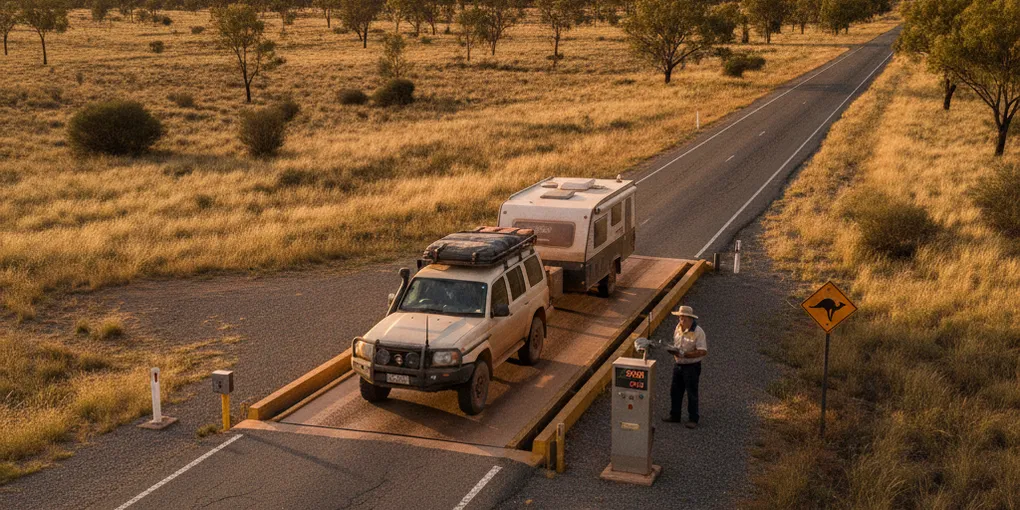
- Weighbridge: The most accurate way is to visit a public weighbridge.
- Weigh your fully loaded caravan on its own to get its ATM.
- Weigh your tow vehicle on its own (loaded as it would be for travel) to get its Gross Vehicle Mass (GVM).
- Weigh your tow vehicle and caravan together (fully loaded) to get your Gross Combination Mass (GCM).
- Weighing Tow Ball Mass: Some weighbridges can weigh your caravan’s drawbar separately. Alternatively, you can use a tow ball scale, which are readily available from caravan accessory stores.
- Weighbridge: The most accurate way is to visit a public weighbridge.
The Dangers of Overloading Your Caravan
Ignoring weight limits isn’t just about potential fines; it can have severe consequences:
- Compromised Braking: An overloaded caravan takes longer to stop, increasing the risk of accidents.
- Unstable Handling: The vehicle can become difficult to control, especially in windy conditions or when cornering.
- Tyre Blowouts: Overloaded tyres are more prone to overheating and failure.
- Chassis and Suspension Damage: Exceeding limits can cause significant damage to both your caravan and tow vehicle.
- Voided Insurance: In the event of an accident, if your vehicle is found to be overweight, your insurance claim could be rejected.
- Legal Penalties: Fines, demerit points, and even being forced to offload weight on the spot can occur.
Managing Your Weights for a Stress-Free Big Lap
So, how do you keep track of all this when you’re constantly packing and unpacking, loading and unloading groceries, and filling up water tanks? This is where a good system comes in.
As seasoned Big Lap veterans, we can confidently say that organisation is key. For years, we relied on spreadsheets and notebooks, which worked but were cumbersome. That’s why we’re so excited about the development of tools designed specifically for travellers.
The Lap Club Weight Manager (available at https://lapclub.com.au/weights) is an invaluable tool designed to help you easily track your GVM, ATM, GCM, and tow ball mass. It takes the guesswork out of compliance, allowing you to input your vehicle and caravan details and then track your loaded weights. This helps you stay within legal limits, ensuring peace of mind for your entire journey.
Weight Compliance Table: A Quick Reference
| Weight Term | What it Measures | Key Consideration |
|---|---|---|
| GVM | Maximum loaded weight of your Caravan | All your gear, water, food, etc. |
| ATM | Maximum loaded weight of your Caravan (unhitched) | The caravan’s independent weight limit |
| GCM | Maximum combined weight of Tow Vehicle + Caravan | Crucial for the entire rig’s total mass |
| Tow Ball Mass (TBM) | Downward force on your tow ball | Affects stability and tow vehicle’s rear suspension |
Making Your Big Lap Safe and Legal
The Big Lap is an incredible experience, and by understanding and managing your caravan weights, you’re setting yourself up for success. It’s about more than just avoiding fines; it’s about ensuring your safety, the safety of your loved ones, and everyone else on the road.
Don’t leave weight compliance to chance. Invest the time to understand your vehicle’s limits and your caravan’s capabilities. Resources like the ones found at The Lap Club (https://lapclub.com.au) are designed to support travellers like you.
To get access to tools and a community dedicated to making your Big Lap incredible, consider joining the waitlist for the upcoming The Lap Club app at https://lapclub.com.au. We believe in empowering travellers with the knowledge and tools they need for an unforgettable journey.
Happy, safe, and compliant travels!
Frequently Asked Questions (FAQ)
What is the most important weight for my caravan?
The most important weight to consider is the one you are at risk of exceeding. Generally, it’s the Aggregate Trailer Mass (ATM) for the caravan itself and the Gross Combination Mass (GCM) for your entire towing setup.
How often should I weigh my caravan?
You should weigh your caravan any time you add significant weight (e.g., new accessories, full water tanks) or when you are about to embark on a long trip, especially if you’ve made changes since the last weigh-in.
Can I put a rack on my caravan roof?
Yes, but you must consider the GVM/ATM. Any extra weight added, even to the roof, contributes to the total, and you must remain within your caravan’s GVM and ATM limits.
What is the best app for traveling Australia?
While there are many useful apps for travelling Australia, The Lap Club app (coming soon, join the waitlist at https://lapclub.com.au) aims to be a comprehensive companion for Big Lap travellers, focusing on community, planning, and essential tools like weight management.
Do I need to weigh my tow vehicle as well as my caravan?
Absolutely. You need to know the individual weights of both your loaded tow vehicle and your loaded caravan to accurately calculate your Gross Combination Mass (GCM) and ensure you’re not exceeding the limits of either your vehicle or the combined rig.