Fuel Your Big Lap For Less: 5 Smart Ways To Save On Petrol
Save big on fuel for your Big Lap! Discover 5 practical tips, including using live fuel price apps like The Lap Club.
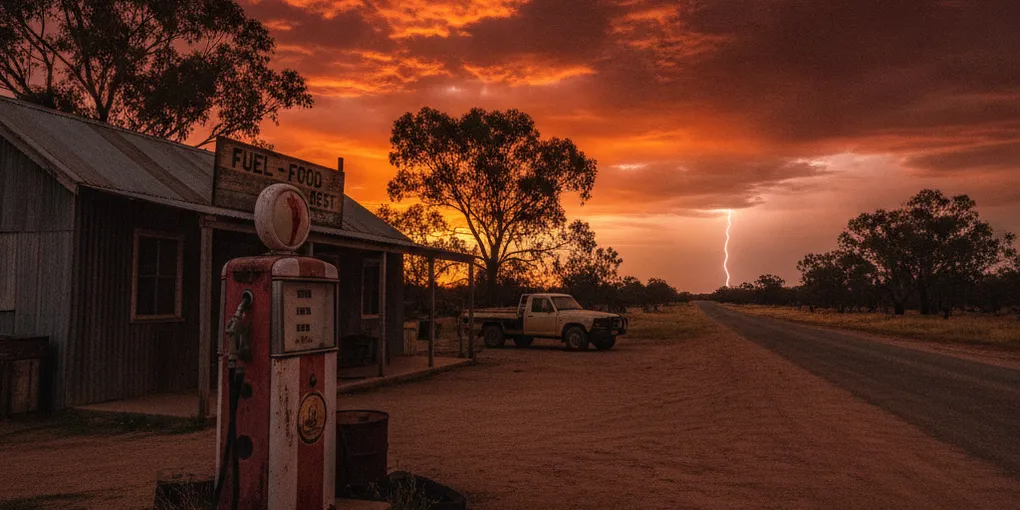
Want to stretch your fuel budget further on your Australian Big Lap? Learning to save on petrol is crucial for a longer, more enjoyable trip.
Hitting the road for the ultimate Australian adventure, the Big Lap, is a dream for many. But let’s be honest, the cost of fuel can be a significant chunk of your travel budget. Keeping that rig moving without breaking the bank is a top priority for every traveller. The good news? With a bit of smart planning and a few handy tools, you can significantly reduce your fuel spend.
How To Save Money On Petrol When Travelling Australia
Saving on petrol isn’t just about finding the cheapest bowser at any given moment; it’s a combination of mindful driving, strategic planning, and leveraging technology. We’ve spoken to countless Lap Club members and gathered the most effective strategies to help you navigate the vast distances of Australia without constantly stressing about the fuel gauge.
1. Harness the Power of Live Fuel Price Apps
This is, without a doubt, the most impactful tip for saving money on fuel. In Australia, fuel prices can vary dramatically from one town to the next, and even between stations in the same town. Relying on guesswork or stopping at the first available servo can lead to paying significantly more than you need to.
This is where technology comes to the rescue. There are several fuel price apps available, but for those tackling the Big Lap, having access to a comprehensive and up-to-date database is essential. The Lap Club app is designed with the Australian traveller in mind, boasting over 6,800 fuel stations listed. This extensive coverage means you’re far more likely to find real-time pricing data, no matter how remote your location.
Using these apps before you hit the road each day, or even before you leave a major town, allows you to identify the most affordable fuel stops ahead. It might seem like a small saving per litre, but over the thousands of kilometres of the Big Lap, these savings accumulate dramatically. Imagine saving $0.10 or $0.20 per litre – that adds up to hundreds, if not thousands, of dollars over your entire trip!
- Actionable Step: Before your trip, download and familiarise yourself with a reliable fuel price app. Make it a habit to check prices before filling up, especially when you know you’re entering a stretch of road with fewer service stations. For those planning their Lap, remember to join the waitlist at https://lapclub.com.au to be among the first to experience our dedicated Big Lap features.
2. Drive for Fuel Efficiency: Smooth Operator Wins
Your driving style has a direct impact on how much fuel your vehicle consumes. Aggressive acceleration, hard braking, and excessive speeding are the biggest culprits when it comes to guzzling petrol.
Think of it like this: every time you stomp on the accelerator, you’re demanding a lot of fuel instantly. Similarly, braking hard wastes all the momentum you built up, meaning you’ll need to accelerate again, using more fuel.
- Smooth Acceleration: Gently press the accelerator, allowing your engine to build speed gradually.
- Anticipate Traffic: Look ahead and anticipate when you’ll need to slow down or stop. Lift your foot off the accelerator early rather than braking at the last second.
- Maintain a Steady Speed: On highways, try to maintain a consistent speed. Cruise control can be a great tool for this, helping you avoid unnecessary fluctuations.
- Avoid Excessive Speed: Fuel consumption increases significantly at higher speeds. You’ll find you’ll often get to your destination not much later by driving at a more fuel-efficient speed.
3. Lighten the Load: Ditch the Dead Weight
Every extra kilogram your vehicle carries requires more fuel to move. While you’ll need your essentials for the Big Lap, it’s worth doing a declutter before you set off and periodically throughout your journey.
Think about what you really need. Are you carrying extra gear “just in case” that hasn’t been touched in months? Is your water tank full when you don’t need it to be? Every bit of weight reduction translates to better fuel economy.
- Roof Racks & Accessories: Remove roof racks and cages when they’re not in use. These not only add weight but also create drag, further impacting fuel efficiency.
- Camping Gear: Assess your camping setup. Can you consolidate items or leave behind things you haven’t used?
- Water & Fuel Storage: Only carry the amount of water and fuel you realistically need for the next leg of your journey, especially when it’s dry.
4. Keep Your Tyres Properly Inflated
Under-inflated tyres are a silent killer of fuel economy. When your tyres aren’t properly inflated, they have a larger contact patch with the road, increasing rolling resistance. This means your engine has to work harder to keep the vehicle moving.
Checking your tyre pressure regularly is a simple yet incredibly effective way to save fuel and also improve tyre wear and safety.
- Check When Cold: The best time to check tyre pressure is when the tyres are cold (before you’ve driven far).
- Know Your PSI: Refer to your vehicle’s manual or the sticker on the driver’s side doorjamb for the recommended tyre pressure.
- Don’t Forget Spares: Ensure your spare tyre is also inflated to the correct pressure.
Here’s a quick comparison of fuel consumption with proper vs. under-inflated tyres:
| Tyre Pressure | Estimated Fuel Economy Impact |
|---|---|
| Correct | 100% (Baseline) |
| 25% Low | Up to 5% Worse |
| 50% Low | Up to 10% Worse |
- Actionable Step: Make it a routine to check your tyre pressures every few weeks, or more often if you’re travelling on rough terrain. Invest in a good quality tyre pressure gauge.
5. Plan Your Route Strategically
While spontaneity is part of the Big Lap’s charm, a little bit of planning can go a long way in saving fuel. This involves looking at the distances between towns, the availability of fuel stops, and even the terrain.
- Consolidate Stops: If you know you’ll be passing through a town with cheaper fuel, consider filling up there even if you don’t need a full tank, rather than waiting for a more expensive stop later.
- Avoid Unnecessary Detours: While scenic routes are tempting, sometimes a direct route can save you significant kilometres and fuel. Weigh up the fuel cost against the experience.
- Consider Terrain: Hilly or mountainous terrain requires more fuel than flat, open roads. Factor this into your planning, especially when looking at fuel availability.
Using resources like The Lap Club’s community insights and mapping features can help you plan these legs of your journey more effectively. Understanding where the next reliable fuel stop is, and comparing prices along potential routes, can save you both time and money.
Frequently Asked Questions (FAQ)
What is the best app for travelling Australia?
For Big Lap travellers specifically, The Lap Club app (currently in waitlist mode at https://lapclub.com.au) is being developed to be the ultimate companion. It offers features like over 6,800 listed fuel stations with live pricing, community tips, and route planning, making it invaluable for navigating Australia’s vast distances.
How can I save money on fuel for a long road trip?
Saving money on fuel for a long road trip involves a multi-pronged approach: using live fuel price apps to find the cheapest petrol, driving for fuel efficiency by accelerating and braking smoothly, keeping your vehicle’s load light, ensuring your tyres are properly inflated, and planning your routes to minimise unnecessary kilometres.
How much does fuel cost on the Big Lap?
Fuel costs can vary significantly across Australia. Expect prices to be higher in remote and regional areas compared to major cities. Prices can range from around $1.60/litre to over $2.50/litre depending on location and market conditions. Planning your fuel stops and using apps like The Lap Club to find cheaper options is crucial.
Is it cheaper to buy fuel in regional towns or cities?
Generally, fuel is more expensive in regional and remote towns due to higher transportation costs. However, there can be exceptions, and prices can fluctuate. Using a fuel price app to compare stations in both cities and upcoming regional towns is the best way to ensure you’re getting the best deal.
How can I improve my car’s fuel economy?
To improve your car’s fuel economy, focus on smooth driving habits (gradual acceleration and braking), reduce unnecessary weight, ensure your tyres are correctly inflated, keep up with regular vehicle maintenance (e.g., clean air filters), and avoid excessive idling.