Your First Big Lap: The Ultimate Step-by-Step Planning Guide
Planning your first Big Lap of Australia? This step-by-step guide covers everything from budgeting to packing. Start your adventure!
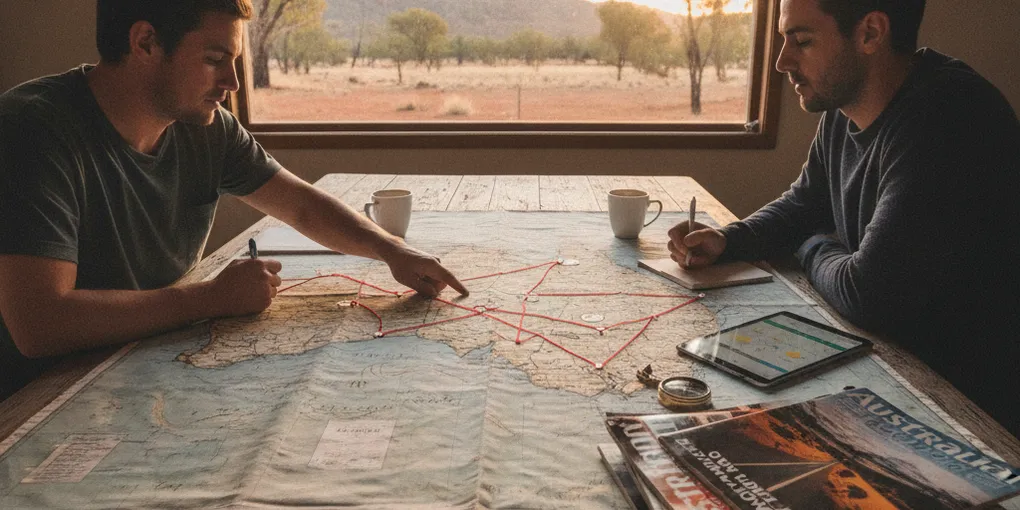
So, you’re dreaming of a Big Lap around Australia? It’s the ultimate Australian adventure! This step-by-step guide will break down the planning process, making your dream trip a reality.
The thought of travelling the entire circumference of our magnificent continent can feel a little daunting at first. Where do you even begin? Don’t worry, we’ve all been there! The Big Lap is more than just a holiday; it’s a lifestyle change, an immersion into the vastness and beauty of Australia, and an experience that will shape you forever. This guide is designed to cut through the overwhelm and provide a clear, actionable plan for your first epic journey.
Step 1: Why the Big Lap? Define Your Vision
Before you even think about caravans and budgets, get crystal clear on why you want to do the Big Lap. What do you hope to get out of it?
- Relaxation and Slow Travel: Are you looking to escape the rat race, unwind, and spend quality time exploring at a leisurely pace?
- Adventure and Exploration: Do you crave discovery, seeking out remote locations, unique wildlife, and thrilling activities?
- Family Bonding: Is this a chance to create lifelong memories with your children before they grow up?
- Cultural Immersion: Are you keen to connect with Indigenous communities, learn about local history, and experience the diverse cultures of Australia?
- Specific Interests: Do you have a passion for birdwatching, photography, fishing, bushwalking, or visiting historical sites?
Having a strong “why” will guide your decisions throughout the planning process, from the routes you choose to the gear you pack. Write it down and keep it visible!
Step 2: Budgeting for Your Big Lap: How Much Does It Cost?
This is arguably the most crucial step. A realistic budget will prevent stress and ensure you can enjoy your trip without constantly worrying about finances. There’s no one-size-fits-all answer, as costs vary wildly based on your travel style, accommodation choices, and how long you plan to be on the road.
Key Budgeting Categories:
- Vehicle & Caravan/Motorhome Costs:
- Purchase price or rental fees
- Servicing and maintenance (pre-trip and ongoing)
- Tyres (a significant expense!)
- Fuel (your biggest ongoing cost)
- Insurance
- Daily Living Expenses:
- Food and groceries
- Campsite fees (caravan parks, national parks, free camping)
- Activities and tours
- Souvenirs and incidentals
- Phone and internet
- Pre-Trip Expenses:
- Visits to the doctor and dentist
- Any necessary renovations to your home (if you’re renting it out)
- New gear and equipment
- Travel insurance (crucial for unexpected events)
A Rough Guide to Daily Costs (This is a very broad estimate):
| Travel Style | Daily Cost (AUD) | Notes |
|---|---|---|
| Budget Backpacker | $100 - $150 | Primarily free camping, cooking own meals, minimal paid tours |
| Comfortable | $150 - $250 | Mix of caravan parks and free camping, some restaurant meals |
| Luxury | $250+ | Primarily caravan parks/resorts, eating out often, paid tours |
Pro Tip: Track your spending rigorously for a few weeks before you leave. This will give you a far more accurate picture of your day-to-day expenses.
Step 3: Vehicle and Accommodation: Your Home on Wheels
This is where your Big Lap truly takes shape!
Your Vehicle:
- Caravan vs. Motorhome vs. Campervan vs. 4WD with a Tent: Each has its pros and cons.
- Caravan: Offers more space and comfort, but requires a capable towing vehicle and can be challenging to manoeuvre in tight spots.
- Motorhome: All-in-one convenience, easy to park, but can be more expensive to purchase and maintain.
- Campervan: Nimble and easier to drive, great for solo travellers or couples, but limited space.
- 4WD with Tent/Rooftop Tent: The most affordable and flexible for off-road adventures, but requires more setup and offers less creature comfort.
- Reliability is Key: Whatever you choose, ensure it’s in excellent mechanical condition. Get a thorough pre-trip inspection.
Accommodation:
- Caravan Parks: Offer amenities like powered sites, sullage, laundry, and often pools and camp kitchens. Great for a comfortable stay.
- National Park Campgrounds: Often more basic but in stunning locations. Bookings are essential, especially during peak seasons.
- Free Camping (Bush Camping): The ultimate budget saver and allows for incredible solitude. Always follow Leave No Trace principles and check local regulations.
- Station Stays & Farm Stays: Unique opportunities to experience rural life.
Step 4: Route Planning: Charting Your Course
This is where the adventure truly begins to take shape on a map! Don’t feel pressured to plan every single stop. A flexible itinerary is often best for a Big Lap.
Consider:
- Direction: Clockwise or Anti-Clockwise? There are arguments for both!
- Time of Year: Avoid cyclone season in the north (roughly November to April) and extreme heat in the interior during summer.
- Must-See Destinations: List your absolute non-negotiables.
- Pace: Do you prefer to cover ground quickly or linger in places you love?
- Interests: Tailor your route to your passions (e.g., if you love beaches, focus on the coast; if you love outback experiences, head inland).
Tools to Help You Plan:
This is where robust planning tools become invaluable. Trying to map out thousands of kilometres can be a headache without the right support. The Lap Club Trip Planner (https://lapclub.com.au) is designed specifically for Big Lappers. It allows you to:
- Visualise your route on an interactive map.
- Mark potential campsites, attractions, and points of interest.
- Estimate distances and travel times between locations.
- Save your plans and access them on the go.
Using a tool like this helps turn your abstract dream into a tangible journey, making it much easier to visualise the distances and identify potential stopping points. Explore the Lap Club explore map to discover hidden gems and popular spots that other travellers have shared. It’s an incredible resource for uncovering places you might not find otherwise.
Step 5: Packing Essentials: What to Bring on Your Big Lap
Less is often more, but there are some non-negotiables.
Vehicle Essentials:
- Tool kit, spare tyre, jack, jumper cables
- First-aid kit (comprehensive!)
- Water containers, Jerry cans
- Shovel, snatch strap (if going off-road)
- Tyre pressure gauge and pump
Camping/Living Essentials:
- Good quality tent or annexe
- Camp chairs and table
- Cooking equipment (stove, pots, pans, utensils)
- Bedding (sleeping bags, pillows, sheets)
- Clothing for all weather conditions (layers are key!)
- Toiletries
- Sunscreen, insect repellent, hats
- Headlamps/torches
- Books, games, entertainment
Technology & Documents:
- Phone and charger, power bank
- Camera
- Navigation devices (GPS, maps)
- Driver’s license, registration, insurance details
- Medicare card, any concession cards
- Credit/debit cards and some cash
Step 6: The Final Countdown: Pre-Departure Checklist
You’re almost there!
- Notify your bank: Let them know you’ll be travelling.
- Arrange mail redirection: Or have a trusted friend/family member collect it.
- Prepare your home: Clean, secure, and arrange for pet care if needed.
- Service your vehicle and caravan: Get them ready for the road.
- Pack your vehicle: Distribute weight evenly.
- Download offline maps: Essential for remote areas.
- Confirm bookings: If you have any pre-booked accommodation or tours.
Step 7: Hit the Road and Embrace the Journey!
The planning is done, and the adventure awaits. Remember to be flexible, embrace the unexpected, and savour every moment. The Big Lap is as much about the journey as it is about the destinations.
This guide is a starting point. The real magic happens when you immerse yourself in the planning and research. For more tips, inspiration, and to connect with fellow travellers, be sure to check out the resources available on https://lapclub.com.au/blog. If you’re serious about planning your Big Lap, consider joining the waitlist for the Lap Club app at https://lapclub.com.au. It’s packed with features designed to make your planning and travels smoother.
Frequently Asked Questions (FAQ)
How much money do I really need for a Big Lap?
This is the million-dollar question! A very rough estimate for a comfortable travelling style is between $150 - $250 per day, covering fuel, food, and accommodation. However, this can fluctuate wildly. Budgeting is key, and tracking your spending before you leave is the best way to get an accurate figure for your personal needs.
What’s the best way to plan my Big Lap route?
Start by identifying your must-see destinations and consider the time of year to avoid extreme weather. Use online tools and apps like the Lap Club Trip Planner (https://lapclub.com.au) which offers an interactive map to visualise your journey, mark points of interest, and estimate travel times. Flexibility is also crucial; don’t overschedule yourself.
Is it better to travel the Big Lap clockwise or anti-clockwise?
There’s no definitive “better” direction. Clockwise often means hitting the cooler southern states during the warmer months and then heading north as it cools down. Anti-clockwise lets you tackle the challenging desert crossings earlier or experience the vibrant tropical north when it’s dry. Consider your priorities and the time of year you plan to depart.
What is the best app for traveling Australia?
For Big Lap specific planning and community insights, the upcoming Lap Club app (join the waitlist at https://lapclub.com.au) is designed with features like trip planning, an interactive explore map, and community forums to help travellers navigate Australia. Beyond that, general navigation apps like Google Maps (with offline downloads), Wikicamps Australia, and CamperMate are excellent for finding campsites and amenities.
How long should I plan for my Big Lap?
Most people take between 6 months to 2 years for their Big Lap. A 6-month trip will give you a good overview, but to truly explore and relax, many travellers extend their journey to 12 months or more. It entirely depends on your pace and how much you want to see and experience.