Big Lap Budget Breakdown: The Real Cost of Travelling Australia
Worried about the cost of a Big Lap? Get a realistic budget breakdown for travelling Australia, including how to track expenses.
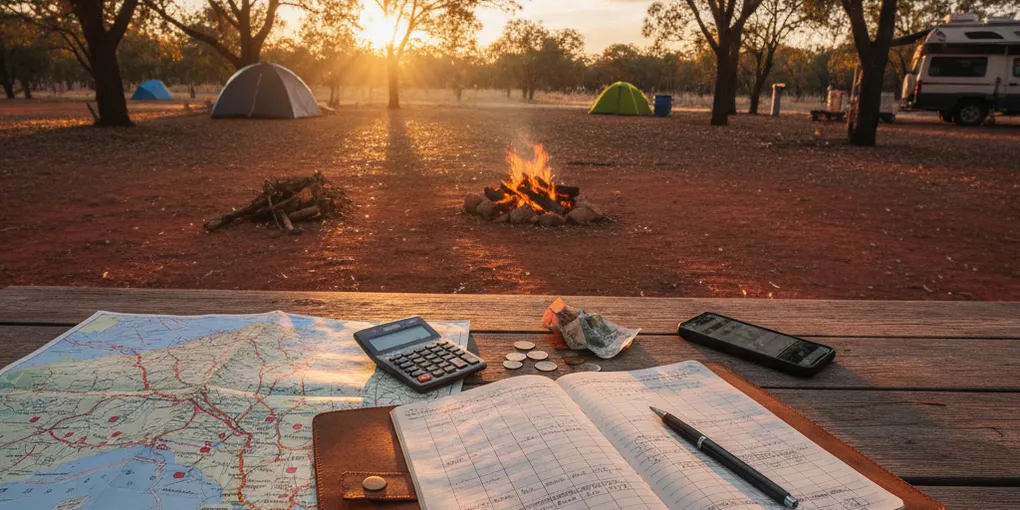
So, what’s the actual cost of doing a Big Lap around Australia? Expect to budget anywhere from $50,000 to $100,000+ for a year of travelling, depending heavily on your travel style and vehicle.
G’day Lap Clubbers! The question that hangs in the air more than a campfire smoke on a still night: “How much does a Big Lap really cost?” It’s the million-dollar question, or perhaps more accurately, the fifty-thousand-dollar-plus question! We get it. The dream of cruising our incredible country is fantastic, but the reality of making it financially viable can feel like a mountain to climb.
Fear not, intrepid adventurers! We’re here to demystify the numbers and give you a realistic budget breakdown for your epic Australian journey. Forget vague figures; let’s get down to brass tacks.
Planning Your Big Lap Budget: The Big Ticket Items
Before we dive into daily spending, let’s tackle the initial investments and major ongoing expenses. These are the items that will likely represent the largest chunks of your Big Lap fund.
1. Your Home on Wheels: Vehicle and Caravan/Campervan Costs
This is usually the biggest upfront cost. Whether you’re buying a brand-new caravan, a pre-loved motorhome, or kitting out a 4x4 with a camper, this purchase will significantly impact your budget.
- New vs. Used: A new caravan or campervan can set you back anywhere from $50,000 to $150,000+, while a well-maintained used option might range from $20,000 to $80,000.
- Vehicle Upgrade: If your current car isn’t suitable for towing a caravan or tackling rough terrain, you’ll need to factor in the cost of a more robust 4x4 or a larger tow vehicle. This could add another $40,000 to $80,000+.
- Modifications and Accessories: Don’t forget solar panels, extra water tanks, improved suspension, battery upgrades, and all those little extras that make life on the road more comfortable.
Our Advice: Be honest about your needs. Are you sticking to the bitumen, or are you planning on venturing off-road? This will dictate the type of rig you need and, consequently, your budget.
2. Fueling the Adventure: Petrol and Diesel
Australia is vast. Really, really vast. And petrol prices can fluctuate wildly. This is a significant ongoing expense that you absolutely must budget for.
- Distance: A classic Big Lap is around 15,000-25,000 km, but many go much further.
- Fuel Consumption: A caravan can add significant drag and weight, increasing your vehicle’s fuel consumption. Expect anywhere from 12-20+ litres per 100km, depending on your setup.
- Current Fuel Prices: Keep an eye on average prices in different states and territories.
Calculation Tip: (Total Kilometres / 100) * Average Litres Per 100km * Average Fuel Price = Estimated Fuel Cost.
3. Where to Rest Your Head: Campsite Fees
While free camping is a huge drawcard for many Big Lappers, you’ll still need to budget for paid campgrounds, especially in popular areas or when you need access to amenities like laundry, showers, and powered sites.
- Unpowered Sites: Can range from $20-$50 per night.
- Powered Sites: Typically $30-$70 per night.
- Caravan Parks with Facilities: Expect premium pricing, especially in tourist hotspots.
- National Park Fees: Many national parks have entry fees or camping fees.
Saving Tip: Look for caravan parks offering weekly rates or loyalty programs. Embrace free camping where possible, but always be prepared and leave no trace.
Everyday Expenses: The Daily Grind of Big Lap Life
Once the big-ticket items are accounted for, it’s time to consider your day-to-day spending. This is where many people underestimate their budget.
4. Keeping Your Belly Full: Food and Groceries
This is highly variable and depends on whether you’re cooking all your meals, eating out regularly, or a mix of both.
- Self-Catering: Buying groceries from supermarkets will be your most budget-friendly option. Prices can vary between regional towns and capital cities.
- Eating Out: A meal at a pub or restaurant can easily set you back $30-$50 per person.
- Coffee and Snacks: Those little impulse buys can add up quickly!
Our Recommendation: Plan your meals, shop at local markets when possible, and designate certain nights as “treat nights” rather than eating out every other day.
5. Fun and Frolics: Activities and Entertainment
Australia is packed with incredible experiences! From national parks and stunning beaches to quirky roadside attractions and major city sights, you’ll want to budget for these.
- National Park Passes: Often a one-off annual fee is more cost-effective than daily entries.
- Tours and Attractions: Whale watching, Great Barrier Reef snorkelling, guided walks, museum entries, and more.
- Souvenirs: The little reminders of your travels.
The Lap Club Difference: When you’re out exploring, understanding your spending in real-time is key. The Lap Club Budget Tracker (https://lapclub.com.au/budget) is designed to help you log these expenses on the go, so you know exactly where your money is going.
6. Keeping Shipshape: Vehicle Maintenance and Repairs
Breakdowns happen. Tyres get punctures. Services are due. You must have a contingency fund for unexpected repairs.
- Routine Servicing: Factor in regular vehicle and caravan servicing.
- Tyres: A set of good-quality tyres can be expensive, and replacements might be needed.
- Unexpected Issues: From minor leaks to more significant mechanical problems, always have a buffer.
Pro Tip: Get your vehicle and caravan thoroughly checked before you leave.
7. Staying Connected and Organised: Communication and Admin
This includes phone plans, internet, and any administrative costs.
- Mobile Phone Plans: Consider plans with good coverage across Australia.
- Data: If you need reliable internet for work or streaming, factor in hotspotting or SIM cards.
- Insurance: Vehicle, caravan, and travel insurance are essential.
8. The ‘Just In Case’ Fund: Contingency
This is non-negotiable. Things will go wrong, and having a healthy contingency fund (ideally 10-20% of your total budget) will save you from immense stress.
Putting It All Together: A Sample Big Lap Budget
Let’s try to put some numbers to this. Remember, these are estimates and can be adjusted based on your personal choices. This example is for a 12-month trip for two people travelling in a mid-range caravan with a 4x4.
| Category | Estimated Monthly Cost (AUD) | Estimated Annual Cost (AUD) | Notes |
|---|---|---|---|
| Vehicle/Caravan Loan | $500 - $1,500 | $6,000 - $18,000 | If applicable |
| Fuel | $600 - $1,200 | $7,200 - $14,400 | Based on 15,000-20,000 km @ 15L/100km, $1.80/L |
| Campsite Fees | $400 - $800 | $4,800 - $9,600 | Mix of paid and free camping |
| Food & Groceries | $700 - $1,200 | $8,400 - $14,400 | Mostly self-catering with occasional meals out |
| Activities & Ent. | $300 - $600 | $3,600 - $7,200 | Varies greatly; includes parks, tours, etc. |
| Vehicle Maintenance | $150 - $300 | $1,800 - $3,600 | Includes servicing, tyres, and a buffer for minor repairs |
| Communication/Admin | $100 - $200 | $1,200 - $2,400 | Phone plans, data, insurances |
| Miscellaneous | $100 - $200 | $1,200 - $2,400 | Laundry, repairs, personal items, etc. |
| Contingency (Buffer) | - | $10,000 - $20,000 | Crucial! Not a monthly spend, but an allocated fund |
| TOTAL ESTIMATE | $2,850 - $5,000+ | $52,200 - $91,800+ | Excludes initial vehicle/caravan purchase |
Important Note: This table excludes the initial purchase of your caravan or vehicle, which can range from $20,000 to $150,000+. Your total Big Lap budget will be this annual cost plus your rig’s purchase price.
Tracking Your Expenses: The Key to Financial Success
The best way to stay on track with your budget is to track your expenses. This is where a good budgeting app or system comes in handy. For our community, the Lap Club Budget Tracker (https://lapclub.com.au/budget) is an invaluable tool. It allows you to easily log your spending categories as you go, giving you a clear picture of where your money is going. This helps you make informed decisions on the fly – do you have room for that spontaneous scenic detour, or should you stick to the planned route?
The Lap Club app, currently in waitlist mode, is being built by travellers, for travellers, to make every aspect of your Big Lap smoother, from planning to budgeting. Join the waitlist at https://lapclub.com.au.
Ready to Start Planning?
A Big Lap is an investment in memories that will last a lifetime. By doing your homework, being realistic about costs, and diligently tracking your spending, you can make your dream a reality without financial stress.
For more tips and community insights, don’t forget to check out the main Lap Club blog at https://lapclub.com.au/blog.
Frequently Asked Questions (FAQ)
What’s a realistic daily budget for travelling Australia?
A realistic daily budget for two people travelling Australia on a Big Lap generally falls between $100 and $200 per day, excluding initial vehicle purchase. This covers fuel, campsites, food, and activities. However, this can fluctuate significantly based on your travel style – from budget-conscious free campers to those opting for more comfort and dining out.
How much money do you need for a 6-month Big Lap?
For a 6-month Big Lap for two people, you should aim for a budget of approximately $30,000 to $60,000, depending on your vehicle costs and spending habits. This includes fuel, accommodation, food, activities, and a contingency fund.
What is the cheapest way to travel around Australia?
The cheapest way to travel around Australia is by embracing free camping (bush camping or designated free camps), self-catering most of your meals, limiting paid attractions and tours, and travelling during the shoulder seasons to avoid peak pricing.
What’s the best app for travelling Australia on a budget?
While there are many general budgeting apps, for dedicated Big Lap travel and expense tracking, The Lap Club Budget Tracker (https://lapclub.com.au/budget) is specifically designed for the needs of travellers doing the Big Lap. It helps you monitor your spending across various categories relevant to life on the road in Australia.