Tyre Pressure Secrets: Bitumen, Gravel & Sand When Towing Your Van
Master caravan tyre pressures for bitumen, gravel and sand. Essential guide for a safe and smooth Big Lap with The Lap Club.
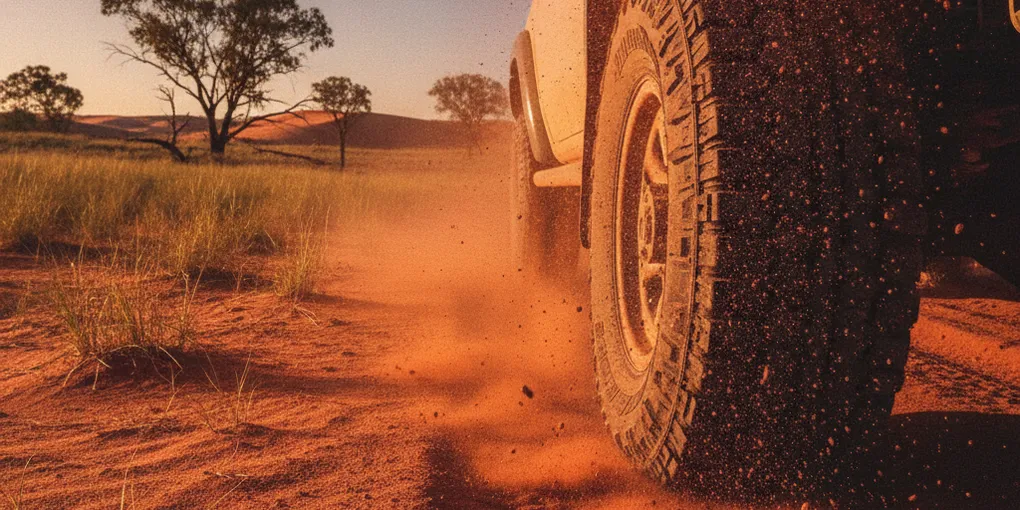
So, what are the right caravan tyre pressures for bitumen, gravel, and sand? For bitumen, stick close to your van’s manufacturer recommendations, but for gravel and sand, you’ll generally need to reduce pressure significantly to improve traction and comfort.
Alright, fellow Lap Clubbers! We all know the freedom of the Big Lap, the open road stretching before us, and the promise of adventure. But let’s talk about something crucial that can make or break your journey: your caravan’s tyres. Getting your tyre pressures right is more than just comfort; it’s about safety, fuel efficiency, and the longevity of your rubber. Today, we’re diving deep into the world of tyre pressures across different terrains – bitumen, gravel, and sand – when you’ve got that trusty van hitched up behind you.
Navigating Different Terrains: Your Caravan Tyre Pressure Guide
The beauty of the Big Lap is its diversity. One minute you’re cruising along smooth bitumen highways, the next you’re bouncing along a dusty gravel track, and if you’re lucky, perhaps even tackling some soft sand to reach that hidden coastal gem. Each of these surfaces demands a different approach to tyre pressure.
Bitumen: The Everyday Grind
For most of your travelling on sealed roads, bitumen is your friend. It’s predictable and generally forgiving.
General Rule of Thumb for Bitumen:
- Check your van’s compliance plate: This is usually found inside a cupboard or on the drawbar. It will specify the maximum tyre pressures recommended by the manufacturer for your specific caravan.
- Inflate to recommended pressures: Generally, you’ll want to run your van’s tyres at the pressures recommended on the compliance plate, or as close as possible. These pressures are designed to handle the load and maintain tyre stability at highway speeds.
- Consider your load: If you’re consistently loaded to the max, sticking to the higher end of the recommended range is wise. If you’re travelling lighter, you might have a little wiggle room, but it’s always best to err on the side of caution.
- Tyre wear: Keep an eye on your tyre wear patterns. Even wear across the tyre indicates correct pressure. Excessive wear on the edges suggests under-inflation, while wear in the centre means over-inflation.
Why don’t we lower bitumen pressures? Lowering pressures on bitumen when towing a heavy van can lead to excessive sidewall flex, increased heat buildup, and potentially unstable towing. This can be dangerous and significantly reduce tyre life.
Gravel Roads: The Bumps and Grinds
Ah, the gravel roads! They can be corrugated, rutted, and downright bumpy. Here’s where a slight adjustment can make a world of difference.
Adjusting for Gravel:
- Slightly lower pressure: A common practice among seasoned travellers is to slightly reduce the tyre pressure on gravel roads. This allows the tyre to deform more readily, conforming to the uneven surface rather than bouncing over it.
- How much to lower? A reduction of 2-5 PSI is a good starting point. Always do this gradually and assess the difference. You’re not aiming for a squishy tyre, but one that has a bit more give.
- Benefits: This increased flexibility can lead to a smoother ride for you and your van, less jarring on your suspension, and improved traction, especially if the gravel is loose.
- Monitor: Keep an eye on your tyre temperatures and listen for any unusual noises. If you start to notice excessive sidewall bulging or a “flapping” sound, you’ve gone too low.
Important Note: Always ensure you bring your tyres back up to bitumen pressures once you hit sealed roads. Driving at high speeds with significantly reduced pressure on bitumen is a recipe for disaster.
Sand Driving: The Ultimate Test
Towing a caravan on sand is an entirely different beast. This is where you’ll need to be most aggressive with your pressure adjustments, but also the most cautious.
Deflating for Sand:
- Significant pressure reduction: For sand, you’ll typically want to drop your pressures considerably. Aim for pressures between 15-25 PSI, depending on the sand’s softness and your van’s weight.
- The goal: The aim is to increase the tyre’s footprint, spreading the weight of your van over a larger area. This prevents the tyres from digging in and getting bogged. Think of it like snowshoes for your caravan.
- Tyre choice matters: The type and tread pattern of your tyres will also influence how well they perform in sand. Aggressive off-road tyres generally perform better than standard highway tyres.
- Driving technique: Driving on sand with a caravan requires a gentle touch. Maintain momentum, avoid sharp turns, and try to drive in existing tracks if possible.
- Re-inflation is crucial: DO NOT drive on bitumen with sand pressures. As soon as you are off the sand and on a firmer surface, you must re-inflate your tyres to your bitumen pressures. Carrying a portable air compressor is essential for this.
The Lap Club Tyre Pressure Advisor: Your Personalised Solution
We get it. Remembering all these numbers, factoring in your specific van, its weight, and the terrain can be overwhelming. That’s where The Lap Club comes in. We’re all about making your Big Lap easier and safer.
Our Tyre Pressure Advisor (available at https://lapclub.com.au/tyres) is designed to give you personalised recommendations. It takes into account your caravan’s weight, its tyre specifications, and the type of terrain you’re travelling on. No more guesswork! It’s a tool built by travellers, for travellers, to help you navigate the complexities of tyre pressures with confidence.
It’s a game-changer for simplifying a critical aspect of your travels, ensuring you’re always running at optimal pressures for safety and comfort. We believe in empowering you with the right information.
Tyre Pressure Comparison Table
Here’s a quick snapshot to help you remember the general ranges:
| Terrain | Typical Van Tyre Pressure (PSI) | Key Considerations |
|---|---|---|
| Bitumen | 35-50 PSI (or as per plate) | Manufacturer recommendations, load, tyre wear |
| Gravel | 30-45 PSI (down 2-5 PSI) | Smoother ride, reduced jarring, improved traction |
| Sand | 15-25 PSI (significantly lower) | Increased footprint, prevent bogging, requires re-inflation |
Note: These are general guidelines. Always consult your van’s manufacturer and your tyre sidewall for specific load ratings and maximum pressures.
Air Compressors: Your Big Lap Essential
You absolutely cannot travel Australia with a caravan without a reliable air compressor. Whether it’s a 12V portable unit or a more permanent setup, being able to adjust your pressures on the fly is non-negotiable, especially when transitioning between bitumen and sand. Invest in a good quality one; it will save you time, stress, and potentially a lot of money on damaged tyres or recovery fees.
Safety First, Always!
Tyre pressure is a fundamental part of safe towing. Under-inflated tyres can overheat, leading to blowouts, especially at speed. Over-inflated tyres can lead to a harsher ride, reduced grip, and uneven wear. Finding that sweet spot for each situation is key.
Don’t forget to check out more tips and tricks for your Big Lap adventures on the The Lap Club blog. We’re constantly adding new content to help you have the best possible experience.
We’re building something special at The Lap Club to make your travels even smoother. Join our waitlist at https://lapclub.com.au to be the first to know when our app is ready to help you plan and execute your ultimate Australian adventure.
Frequently Asked Questions (FAQ)
What’s the best tyre pressure for my caravan on the highway?
For highway (bitumen) travel, always refer to your caravan’s compliance plate for the recommended tyre pressures. Generally, these will be between 35-50 PSI, depending on the van’s weight and tyre specifications. This ensures proper load distribution and tyre stability.
How much should I lower my caravan tyres for corrugated roads?
For corrugated or rough gravel roads, a common practice is to reduce your tyre pressure by 2-5 PSI below your bitumen recommendation. This allows the tyre to flex more, providing a smoother ride and better grip. Always monitor your tyres and don’t go too low.
Can I drive on bitumen with lowered sand tyre pressures?
Absolutely not. Driving on bitumen with significantly lowered tyre pressures (like those used for sand) is dangerous. It causes excessive heat buildup, sidewall flex, and can lead to catastrophic tyre failure and blowouts. You must re-inflate your tyres to bitumen pressures as soon as you leave the sand.
What’s the best app for travelling Australia with a caravan?
While we’re a bit biased, The Lap Club aims to be the ultimate companion for travelling Australia. Our upcoming app and tools like the Tyre Pressure Advisor (https://lapclub.com.au/tyres) are designed to simplify planning, provide essential information, and enhance your safety and convenience on the road. Join our waitlist at https://lapclub.com.au!