Big Lap Budget: How Much Does a Lap of Australia REALLY Cost?
Discover the realistic budget for a Big Lap of Australia. We break down costs for fuel, food, accommodation, and more for your epic Aussie adventure.
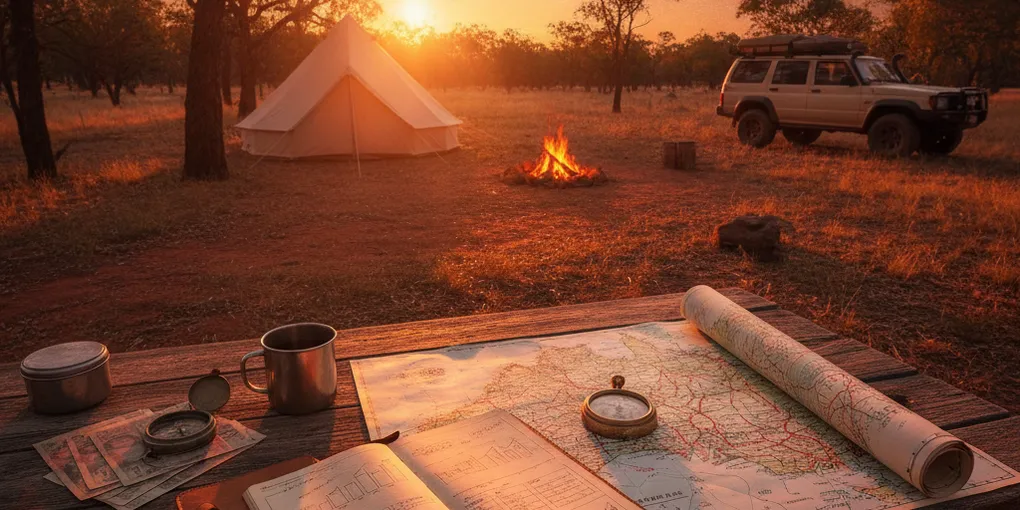
So, how much does a Big Lap of Australia really cost? Expect to budget anywhere from $50,000 to $100,000+ for a year-long journey, with daily expenses typically ranging from $150 to $300.
The dream of travelling around Australia is alive and well for so many Aussies. The Big Lap – that epic, soul-stirring journey to circumnavigate our vast and varied continent – is more than just a holiday; it’s a life-changing experience. But before you pack your bags and wave goodbye to the 9-to-5, there’s one burning question on everyone’s lips: how much does it actually cost?
Forget those glossy brochures and overly optimistic online calculators. We’re here to give you the unvarnished, boots-on-the-ground truth about a realistic Big Lap budget. This isn’t about making you scared; it’s about empowering you with knowledge so your dream trip doesn’t turn into a financial nightmare.
Understanding Your Big Lap Budget: It’s Not One Size Fits All
The first and most crucial thing to grasp is that there’s no single magic number for a Big Lap budget. Your spending will be a direct reflection of your travel style, your rig, your destination choices, and how long you plan to be on the road. Are you a luxury caravanner, a budget camper, or somewhere in between? Do you plan to tackle the rougher tracks or stick to the bitumen? These are the big questions that will shape your finances.
We’ve spoken to countless travellers on The Lap Club community, and the consensus is clear: preparation is key. Knowing your potential expenses allows you to save effectively and travel with peace of mind.
The Big Ticket Items: Where Your Money Goes
Let’s break down the major cost centres of a Big Lap. This is where the bulk of your budget will likely disappear.
1. Fuel: The Ever-Present Thirst
This is often the biggest single expense for a Big Lap, especially if you’re towing a caravan or driving a larger vehicle. Australia is enormous, and you’ll be covering thousands upon thousands of kilometres.
-
Factors to Consider:
- Your Vehicle’s Fuel Efficiency: A V8 towing a large van will drink fuel like it’s going out of fashion, while a smaller 4x4 with a pop-top camper will be more frugal.
- Fuel Prices: These fluctuate wildly across the country. Remote outback towns can charge significantly more than city servos.
- Distance Covered: A year-long lap covering 25,000-30,000 km is a good benchmark.
-
Estimated Cost: For a typical 4x4 towing a caravan, expect to spend anywhere from $8,000 to $15,000+ on fuel alone for a 12-month trip. This can be significantly higher for less fuel-efficient setups.
2. Accommodation: Finding Your Home Away From Home
This is where your travel style really shines (or saves!). You have a spectrum of options, each with a different price tag.
-
Free Camping/Bush Camping: Your wallet will love this! Many national parks and state forests offer free or very low-cost camping. It requires more self-sufficiency (water, power, waste disposal) but is incredibly rewarding for the experience and the cost savings.
-
Caravan Parks: These offer amenities like powered sites, ensuite bathrooms, laundry facilities, and often pools and playgrounds. Prices vary from budget-friendly to luxury.
- Budget Caravan Park: $35 - $50 per night
- Mid-Range Caravan Park: $50 - $70 per night
- Premium Caravan Park: $70 - $100+ per night (especially in peak season or popular locations)
-
National Park Campgrounds: Often a good compromise, offering basic facilities at a reasonable price.
-
Airbnb/Motels: For occasional breaks or when you need a proper shower and a comfortable bed!
-
Estimated Cost: If you aim for a mix, with a strong emphasis on free camping and budget-friendly caravan parks, you might aim for an average of $40-$60 per night. Over 365 days, that’s $14,600 to $21,900. If you lean more towards powered sites in caravan parks, this figure will easily climb to $30,000+.
3. Food and Groceries: Fueling Your Adventures
Eating out every night will blow your budget. Cooking for yourself is the most cost-effective way to eat on a Big Lap.
-
Factors to Consider:
- Your Cooking Habits: Are you a gourmet chef or a simple toast-and-cereal person?
- Where You Shop: Major supermarkets in regional centres are cheaper than remote roadhouses.
- Eating Out: Factor in the occasional pub meal or cafe stop – it’s part of the experience!
-
Estimated Cost: A realistic grocery budget for two people can range from $700 to $1,200+ per month, depending on your diet and shopping habits. For a 12-month lap, this could be $8,400 to $14,400+. Add an extra $1,000-$2,000 for occasional dining out.
4. Activities and Sightseeing: The Experience Fund
This is what the Big Lap is all about! National park entry fees, tours, attractions, boat trips, museum visits – they all add up.
-
Prioritise: You can’t do everything. Research what truly interests you and budget accordingly.
-
Free Activities: Hiking, swimming, exploring local markets, enjoying sunsets – these are plentiful and free!
-
Passes: Consider a National Parks Pass for significant savings if you plan to visit many.
-
Estimated Cost: This is highly variable. A conservative estimate for activities might be $200-$400 per month, equating to $2,400-$4,800 per year. However, if you plan on doing more expensive tours or activities, this could easily double or triple.
5. Vehicle Maintenance and Repairs: The Unforeseen Costs
Your rig will be working hard. Regular servicing is essential, and breakdowns can happen. It’s wise to have a contingency fund for this.
-
Servicing: Factor in regular oil changes, tyre rotations, etc.
-
Tyres: These are a significant expense and will likely need replacing at least once on a long lap.
-
Unexpected Repairs: Hoses burst, batteries die, alternators fail. It’s part of life on the road.
-
Estimated Cost: Set aside at least $2,000-$5,000 for maintenance and unexpected repairs. Some travellers budget more, especially if heading off-road.
6. Miscellaneous Expenses: The Little Things
This category covers everything else:
-
Park Fees: Beyond accommodation, some national parks have day-use fees.
-
Internet/Phone: Staying connected.
-
Laundromats: When you can’t wash your clothes yourself.
-
Souvenirs: A little reminder of your travels.
-
Mail Forwarding/Storage: If you’re storing your home.
-
Insurance: Vehicle, caravan, and travel insurance.
-
Emergency Fund: Crucial for unexpected events.
-
Estimated Cost: Budget around $300-$600 per month for these miscellaneous costs. Over 12 months, that’s $3,600-$7,200.
Putting It All Together: Sample Budget Scenarios
Here’s a simplified comparison to give you a clearer picture. These are estimates for a couple travelling for 12 months.
| Category | Budget Traveller (Focus on Free Camping) | Mid-Range Traveller (Mix of Camping & Parks) | Comfortable Traveller (More Caravan Parks) |
|---|---|---|---|
| Fuel | $9,000 | $12,000 | $15,000 |
| Accommodation | $7,500 (Avg. $20/night) | $18,000 (Avg. $50/night) | $27,000 (Avg. $75/night) |
| Food & Groceries | $9,000 | $10,800 | $12,600 |
| Activities & Sightseeing | $3,000 | $4,000 | $5,000 |
| Vehicle Maintenance/Repairs | $3,000 | $4,000 | $5,000 |
| Miscellaneous | $4,800 | $6,000 | $7,200 |
| TOTAL ESTIMATE | $36,300 | $54,800 | $71,800 |
Important Caveats:
- These are estimates! Your actual costs will vary.
- The “rig” cost is not included. This budget assumes you already own your caravan, campervan, or 4x4. Buying a rig is a separate, significant investment.
- Pre-trip Costs: Don’t forget costs for initial setup, buying gear, insurance premiums, etc., before you even leave.
Track Your Spending: The Secret to Budget Success
This is where the rubber meets the road, and where many travellers wish they’d been more diligent. Tracking your expenses isn’t just about knowing where your money went; it’s about understanding your spending patterns and making informed decisions on the go.
The Lap Club Budget Tracker (https://lapclub.com.au/budget) is designed specifically for travellers undertaking a Big Lap. It helps you categorise your expenses, set daily or weekly targets, and visualise your spending. Knowing that you’re on track, or identifying areas where you might be overspending, can save you a lot of stress and can even help you extend your trip!
Making Your Big Lap Budget Work for You
- Be Realistic: Don’t set yourself up for disappointment with an overly ambitious budget.
- Be Flexible: There will be unexpected costs and opportunities. Be prepared to adjust.
- Research: Before you go, research fuel prices in different regions, free camping spots, and affordable activities.
- Embrace Free Camping: It’s the biggest budget saver and offers incredible experiences.
- Cook Your Own Meals: Eating out consistently will quickly deplete your funds.
- Travel in the Shoulder Seasons: Avoid peak holiday periods for cheaper accommodation and fewer crowds.
A Big Lap of Australia is an achievable dream for many. With careful planning, realistic budgeting, and a commitment to tracking your expenses using tools like The Lap Club Budget Tracker, you can embark on the adventure of a lifetime without the financial worry.
Ready to start planning your own epic journey? Explore more tips and connect with fellow travellers on The Lap Club community at https://lapclub.com.au. We’re building the ultimate app for travelling Australia, and you can join the waitlist at https://lapclub.com.au! For more budgeting insights and travel tales, check out our blog homepage at https://lapclub.com.au/blog.
Frequently Asked Questions (FAQ)
How much money do you need to save for a 12-month Big Lap of Australia?
Most travellers find they need between $50,000 and $100,000 for a year-long Big Lap for two people, depending heavily on their travel style, vehicle, and spending habits.
What is the cheapest way to do a Big Lap of Australia?
The cheapest way involves maximising free camping, cooking all your own meals, limiting expensive activities, and travelling in a fuel-efficient vehicle.
What is the best app for travelling Australia on a budget?
For dedicated Big Lap budgeting, The Lap Club Budget Tracker (https://lapclub.com.au/budget) is highly recommended as it’s designed specifically for travellers. For general trip planning and information, consider apps that offer offline maps and information on caravan parks and free camps.
How much does it cost to fuel a caravan around Australia?
Fuel costs for towing a caravan around Australia can range from $8,000 to $15,000 or more for a 12-month trip, depending on the vehicle’s fuel efficiency, distances covered, and current fuel prices.
Should I budget for unexpected expenses on a Big Lap?
Absolutely. It is essential to have a contingency fund of at least $2,000 - $5,000 (or more) for unexpected vehicle repairs, medical needs, or other unforeseen circumstances that may arise during your travels.