Free Camping Australia: Your Ultimate Big Lap Guide
Discover how to find free camping across Australia for your Big Lap adventure. Your essential guide awaits!
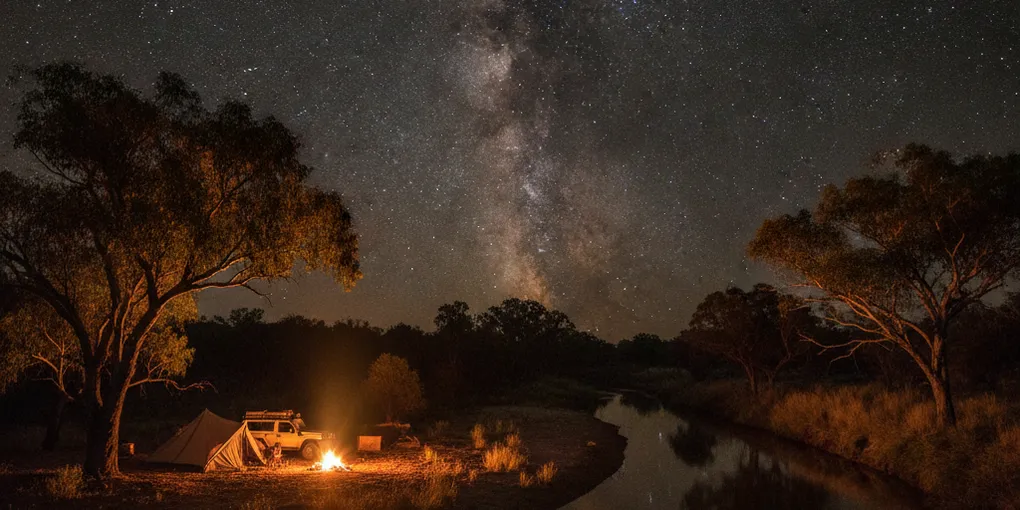
Free Camping Australia: Your Essential Big Lap Guide
Dreaming of waking up to breathtaking Australian vistas without spending a cent on accommodation? Free camping is an integral part of the Big Lap experience, allowing you to stretch your budget further and immerse yourself in the country’s stunning natural beauty.
This guide will equip you with the knowledge and tools to find incredible free campsites across Australia, from rugged outback plains to serene coastal retreats.
Finding Free Campsites: The Smart Way
The thought of finding good free camps can sometimes feel like searching for a needle in a haystack. Luckily, with the right resources, it’s a rewarding part of the journey. Gone are the days of relying solely on word-of-mouth or outdated paper maps. Today’s travellers have access to fantastic digital tools.
Utilising The Lap Club Explore Map
For those on their Big Lap, the Lap Club Explore Map (https://lapclub.com.au/explore) is an absolute game-changer. This interactive map is designed by Big Lappers, for Big Lappers, and is constantly being updated with user-submitted information. You can filter by campsite type, amenities, and even read reviews from fellow travellers. It’s an invaluable resource for discovering hidden gems and popular, well-regarded free camping spots.
While the app is currently in waitlist mode, joining the waitlist at https://lapclub.com.au is your ticket to unlocking a community-driven platform that will revolutionise how you plan and experience your travels.
Other Crucial Free Camping Resources
Beyond The Lap Club, a few other trusted resources are essential for any free camper:
- WikiCamps Australia: This is arguably the most popular paid app for Australian travellers. It boasts a massive database of campsites, including free, low-cost, and paid options, with extensive filtering and user reviews.
- Camps Australia Wide: Similar to WikiCamps, this app and book provide a comprehensive listing of campsites across the country.
- Local Council Websites: Many local councils offer free camping grounds, often near towns or popular attractions. These are usually well-maintained and offer basic facilities. A quick Google search for “[Town Name] free camping” can yield excellent results.
- National Parks and Forestry Websites: While many national parks have fees, some offer free camping opportunities, particularly in more remote areas. Always check the specific park’s regulations and booking requirements.
- Information Centres: Local visitor information centres are fantastic sources of up-to-date information on free camping in their region. The staff are often seasoned locals who know the best spots.
Types of Free Campsites in Australia
Free camping in Australia can range from basic bush camps to designated rest areas with more amenities. Understanding the differences will help you choose the right spot for your needs.
Basic Bush Camps
These are often the most remote and offer the purest form of free camping. Expect no facilities whatsoever – pack it in, pack it out is the golden rule here. These are perfect for self-sufficient travellers seeking solitude and a true escape into nature. You might find them marked on maps as “camping area” or indicated by simple signage.
Designated Rest Areas
Many local councils and road authorities provide designated rest areas along major highways and secondary roads. These are intended for short stays (usually 24-48 hours) to allow drivers to rest. They often include basic facilities like:
- Picnic tables
- BBQ facilities (sometimes)
- Toilets (drop toilets or sometimes flush)
- Rubbish bins
They are a great option for an overnight stop while travelling long distances.
Showgrounds and Community Halls
Some smaller towns allow campers to stay on their showgrounds or near community halls for a small donation or a minimal fee. This can be a great way to support local communities and often provides access to toilets and water.
National Parks and State Forests (Selected Areas)
While not always free, certain sections within national parks and state forests may offer free camping. These are usually designated areas that require a high degree of self-sufficiency and adherence to strict environmental regulations. Always research these in advance.
Essential Gear for Free Camping
Being prepared is key to a successful and enjoyable free camping experience.
| Item | Importance | Notes |
|---|---|---|
| Water Storage | Critical | Carry more than you think you’ll need. |
| Food Supplies | Critical | Plan meals and pack accordingly. |
| Rubbish Bags | Critical | Leave no trace. Everything you bring in must go out. |
| Toilet Paper & Trowel | High | For when nature calls in the wilderness. |
| First-Aid Kit | Critical | Essential for any remote travel. |
| Bug Repellent | High | Depending on the region and time of year. |
| Sun Protection | Critical | Hat, sunscreen, sunglasses. |
| Generator/Solar | High | For power, if needed. |
| Toilet (Portable) | Optional | For added comfort in very remote locations. |
Etiquette: The Unspoken Rules of Free Camping
Respect is paramount when free camping. Remember, these areas are often provided for the enjoyment of all and maintained by the goodwill of local communities.
- Leave No Trace: This is the absolute golden rule. Pack out everything you pack in, including all rubbish. Do not bury waste; take it with you.
- Respect Wildlife: Do not feed any animals. Keep your campsite clean to avoid attracting them.
- Keep it Clean: If toilets are available, use them and keep them tidy. If not, ensure you know how to properly dispose of human waste away from water sources.
- Be Mindful of Noise: Keep noise levels down, especially during dawn and dusk. Respect the peace and quiet of the natural environment.
- Campfires: Only have campfires where permitted and when fire bans are not in effect. Ensure they are fully extinguished before leaving.
- Water Conservation: Be mindful of water usage, especially in drought-affected areas.
- Generators: Use generators sparingly and during reasonable hours to avoid disturbing other campers.
- Stay Limit: Adhere to any posted stay limits to allow others the opportunity to use the site.
- Inform Locals: If you’re using a council-provided camp, a small donation at the local council office or visitor centre is always appreciated.
Planning Your Big Lap with Free Camping
Integrating free camping into your Big Lap itinerary can significantly reduce costs and enhance your experience. The Lap Club Explore Map (https://lapclub.com.au/explore) is invaluable for mapping out routes that include potential free camping stops. You can often plan your days around finding a great free camp for the night, allowing for spontaneous detours and deeper exploration of Australia’s vast landscapes.
To stay ahead of the curve and be among the first to experience the full capabilities of The Lap Club app, make sure to join the waitlist at https://lapclub.com.au.
You can find more tips and inspirational stories on planning your Big Lap on our blog: https://lapclub.com.au/blog.
Frequently Asked Questions (FAQ)
What is the best app for travelling Australia for free camping?
While there are several excellent paid apps like WikiCamps and Camps Australia Wide, the Lap Club Explore Map (https://lapclub.com.au/explore) is a rapidly growing, community-driven resource specifically designed for Big Lap travellers. It’s free to access and constantly updated with user-submitted free camping spots, making it a vital tool.
How do I find free campsites in Australia?
You can find free campsites by using dedicated apps like The Lap Club Explore Map, WikiCamps, and Camps Australia Wide. Additionally, check local council websites, National Parks websites (for specific free areas), and always ask at local visitor information centres.
Is free camping in Australia safe?
Free camping can be very safe, but it’s essential to be prepared and informed. Stick to designated rest areas or popular free camps, especially when starting out. Let someone know your general location and expected return time. Be aware of your surroundings, secure your vehicle, and follow basic safety precautions as you would anywhere else.
What are the rules for free camping in Australia?
The primary rule is “Leave No Trace.” This means taking all your rubbish with you, not damaging the environment, and leaving the campsite as you found it or better. Always check for local signage regarding stay limits, campfire restrictions, and any specific regulations for the area you are camping in.