Tyre Pressure Secrets: Bitumen, Gravel & Sand When Towing Your Caravan
Master caravan tyre pressures for bitumen, gravel, and sand. Essential guide for safe towing in Australia with The Lap Club.
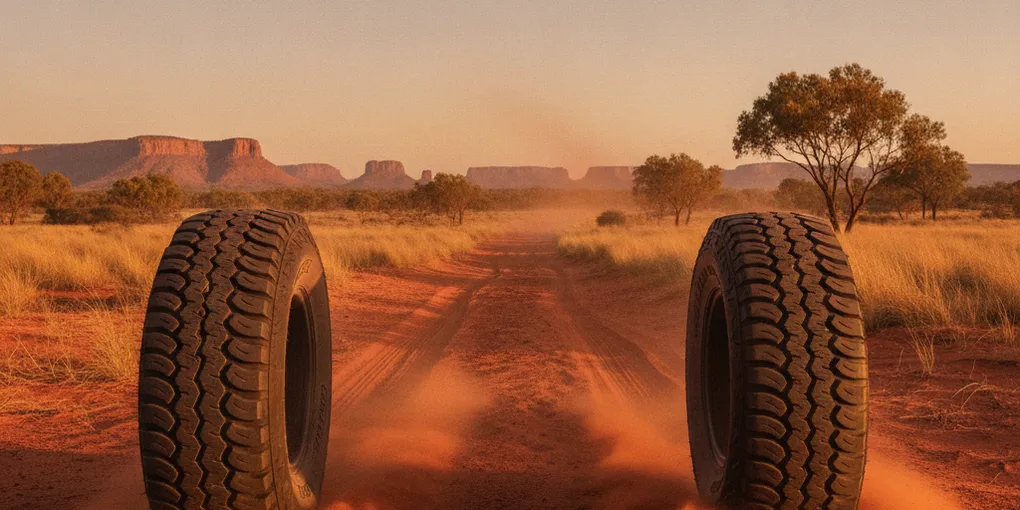
Caravan Tyre Pressures: Bitumen, Gravel & Sand Explained for Australian Travellers
Getting your caravan tyre pressures right for different Australian terrains is crucial for a safe and comfortable Big Lap. Understanding how bitumen, gravel, and sand affect your tyres means adjusting pressures to optimise handling, reduce wear, and avoid costly blowouts.
The Big Lap Tyre Pressure Riddle: Why It Matters
As any seasoned Big Lap adventurer knows, Australia throws a bit of everything at your rig. From smooth bitumen highways to corrugated gravel tracks and the ever-challenging sand dunes of our coastline, your caravan’s tyres are working overtime. But here’s the thing: the pressure that’s perfect for one surface can be disastrous on another.
This isn’t just about comfort, though that’s a big bonus! Incorrect tyre pressures can lead to:
- Uneven tyre wear: Shortening the lifespan of your expensive tyres.
- Overheating: Increasing the risk of a blowout, especially on hot days.
- Poor handling: Making your caravan feel unstable and unpredictable.
- Increased fuel consumption: Your vehicle has to work harder to overcome excessive rolling resistance.
- Getting bogged: Especially in sand or soft conditions.
Bitumen: The Everyday Highway Hero
When you’re cruising along the bitumen, your primary goal is to maintain a balance between load-carrying capacity, handling, and tyre wear.
General Bitumen Tyre Pressure Guidelines:
- Caravan Tyres: Typically, you’ll be looking at pressures between 50 PSI and 70 PSI (or higher, depending on your tyre load rating and manufacturer recommendations). Always check the sidewall of your tyre for the maximum pressure and consult your caravan’s manual.
- Towing Vehicle Tyres: These will also have recommended pressures, often found on a sticker inside the driver’s door or in the owner’s manual. It’s generally advisable to slightly increase the rear tyre pressure of your tow vehicle when towing to account for the extra load.
Why these pressures work on bitumen:
- Reduced rolling resistance: Higher pressures allow the tyre to roll more freely, improving fuel economy.
- Better heat dissipation: A properly inflated tyre dissipates heat more effectively than an underinflated one.
- Maintained tyre shape: Prevents the sidewalls from flexing excessively, which can lead to overheating and wear.
Important Note: Always adhere to the load rating of your tyres and the specifications provided by your caravan manufacturer. Over-inflating can lead to a harsher ride and reduced contact patch, while under-inflating can cause sidewall flex and overheating.
Gravel Roads: Navigating the Corrugations
Ah, the Australian gravel road. It’s a rite of passage, but it can be tough on your rig. When tackling these often-corrugated tracks, you’ll want to adjust your tyre pressures to smooth out the ride and improve grip.
General Gravel Tyre Pressure Guidelines:
- Caravan Tyres: Dropping your caravan tyre pressures by 10-20% from your bitumen pressure is a common practice. So, if you run 60 PSI on bitumen, you might drop to around 48-54 PSI on gravel.
- Towing Vehicle Tyres: Similarly, you might reduce your tow vehicle’s tyre pressure slightly, though not as drastically as the caravan. This helps the tyres conform to the uneven surface better.
Why lower pressures work on gravel:
- Increased contact patch: A slightly deflated tyre flattens out more, creating a larger contact patch with the road. This provides better grip and traction.
- Softer ride: The tyre acts more like a cushion, absorbing some of the shock from corrugations and bumps. This significantly reduces the jarring effect on your caravan and its contents.
- Reduced bouncing: Lower pressures help prevent the caravan from bouncing excessively, making it more stable and easier to control.
When to be cautious on gravel:
- Avoid going too low: If you drop the pressure too much, you risk the tyre coming off the rim, especially on sharp turns or rough terrain.
- Watch for sharp rocks: While lower pressures offer more cushioning, they can also make the tyre more susceptible to punctures from sharp objects.
- Re-inflate for bitumen: Crucially, remember to reinflate your tyres to bitumen pressures before hitting sealed roads again. Driving on bitumen with low pressures is dangerous and will cause rapid tyre wear.
Sand Driving: The Ultimate Test of Tyre Pressure Control
Heading to the beach or tackling those sandy tracks? This is where tyre pressure management is absolutely critical for success and avoiding a very frustrating situation. Low pressures are your friend here, but there’s a fine line between floating and sinking.
General Sand Tyre Pressure Guidelines:
- Caravan Tyres: You’ll be looking at significantly lower pressures, often in the range of 15-25 PSI. This is a massive difference from bitumen and requires careful monitoring.
- Towing Vehicle Tyres: Your tow vehicle’s pressures will also need to be reduced, typically to around 20-30 PSI, depending on the vehicle and tyre type.
Why low pressures work on sand:
- Maximum floatation: The lower the pressure, the more the tyre flattens and spreads out. This increases the tyre’s footprint, allowing it to “float” on top of the sand rather than digging in.
- Better traction: A wider contact patch distributes the weight more evenly, providing more surface area for grip on loose sand.
- Smoother ride: Again, the tyre acts as a better shock absorber, making for a more comfortable experience.
Key considerations for sand:
- Check tyre sidewall for minimum safe pressure: While you want low pressures, don’t go below the manufacturer’s recommended minimum to avoid de-beading.
- Carry a reliable tyre deflator and inflator: You’ll be adjusting pressures frequently. A good quality deflator allows for precise pressure reduction, and a portable air compressor is essential for re-inflating.
- Drive smoothly: Avoid sudden acceleration or braking, which can dig your tyres in. Gentle steering inputs are also key.
- Know your limits: If it looks too soft, it probably is. It’s better to turn back than to get bogged and require a recovery.
- Re-inflate immediately: As with gravel, re-inflate your tyres to appropriate pressures as soon as you’re back on a firmer surface.
The Lap Club Tyre Pressure Advisor: Your Personalised Guide
We know that ‘one size fits all’ doesn’t really cut it when it comes to caravan tyre pressures. Every rig, every tyre, and every load is different. That’s why the team at The Lap Club has developed the Tyre Pressure Advisor (https://lapclub.com.au/tyres).
This handy tool takes into account your specific caravan, your tow vehicle, your tyre specifications, and your typical loads to provide personalised pressure recommendations for bitumen, gravel, and even sand. It’s designed to help you travel safer and smarter on your Big Lap.
Tyre Pressure Comparison Table
| Terrain | Caravan Tyre Pressure (Approx. PSI) | Tow Vehicle Tyre Pressure (Approx. PSI) | Key Considerations |
|---|---|---|---|
| Bitumen | 50-70+ (check sidewall/manual) | Manufacturer’s recommendation (+ slight rear increase) | Optimal fuel economy, handling, and tyre wear. |
| Gravel | 40-55 (10-20% less than bitumen) | Slightly less than bitumen | Smoother ride, better grip, reduced jarring. Re-inflate for bitumen. |
| Sand | 15-25 (significantly lower) | 20-30 (significantly lower) | Maximum floatation and traction. Avoid de-beading. Re-inflate immediately. |
Note: These are general guidelines. Always refer to your tyre manufacturer’s specifications and your caravan’s manual for precise recommendations.
Maintaining Your Tyre’s Health on the Road
Beyond just pressure, remember these essential tyre maintenance tips for your Big Lap:
- Regular visual inspections: Check for cuts, bulges, embedded objects, and uneven wear.
- Wheel nut tightness: Periodically check that your wheel nuts are tight, especially after travelling on rough roads.
- Tyre rotation: If your caravan manufacturer recommends it, rotate your tyres to ensure even wear.
- Spare tyre: Don’t forget your spare! Make sure it’s in good condition and inflated to the correct pressure.
By understanding and adjusting your caravan tyre pressures for the different surfaces you’ll encounter across Australia, you’ll significantly enhance your safety, comfort, and the longevity of your tyres. For even more tailored advice specific to your setup, be sure to explore The Lap Club’s resources. We’re building the ultimate community and app for travellers, so keep an eye out for our app launch by joining the waitlist at https://lapclub.com.au.
Happy and safe travels from all of us at The Lap Club! Don’t forget to check out our other travel tips on https://lapclub.com.au/blog.
Frequently Asked Questions (FAQ)
What’s the best app for travelling Australia?
Many travellers find apps that offer offline maps, detailed route planning, and community-sourced points of interest invaluable. While we can’t name ‘the best’, The Lap Club aims to be a comprehensive resource for all your Big Lap needs, from planning and community connection to essential tools like our Tyre Pressure Advisor. Keep an eye on our waitlist at https://lapclub.com.au for our upcoming app launch!
How much air should I let out of my caravan tyres for sand?
For sand driving, you’ll want to significantly reduce your caravan tyre pressures, typically to the range of 15-25 PSI. This allows the tyres to spread out and ‘float’ on the sand, rather than digging in. Always check your tyre’s sidewall for its minimum safe pressure to avoid de-beading.
Should I change my tyre pressure when going from bitumen to gravel?
Yes, absolutely. When transitioning from bitumen to gravel roads, it’s recommended to reduce your caravan and tow vehicle tyre pressures by about 10-20%. This creates a larger contact patch, improves grip, and provides a much softer ride over corrugations. Remember to reinflate them before returning to bitumen.
How do I know the correct tyre pressure for my caravan?
The most crucial information comes from your caravan manufacturer and your tyre supplier. Check your caravan’s manual for recommended pressures and always adhere to the load rating and maximum pressure indicated on your tyre’s sidewall. For personalised recommendations tailored to your specific rig and load, the Tyre Pressure Advisor at https://lapclub.com.au/tyres is an excellent resource.