Conquer the Continent: Your Ultimate Guide to Australia's Epic Big Lap in 2026!
Dreaming of Australia's Big Lap? Discover current travel trends, essential planning tips, and must-see destinations for your unforgettable cross-continental adventure. Get ready to hit the road!
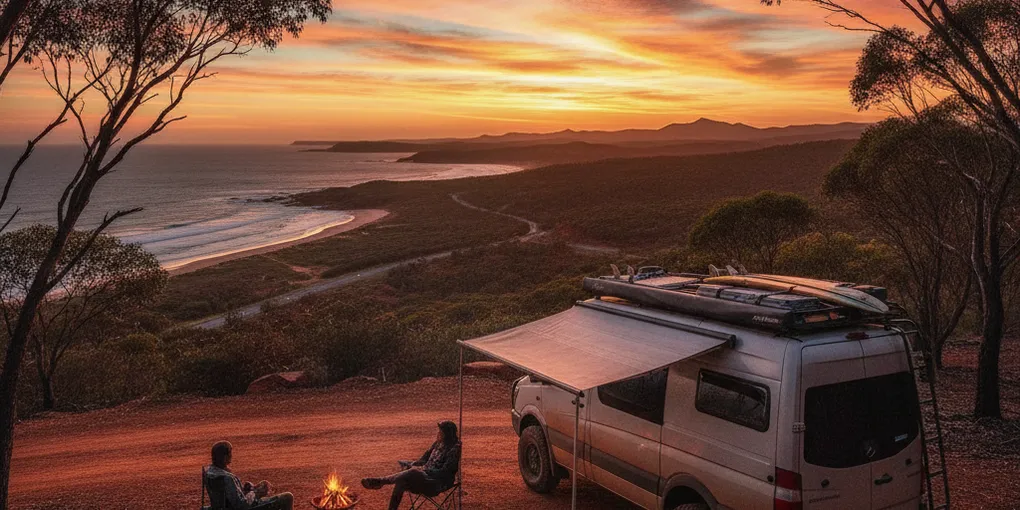
Conquer the Continent: Your Ultimate Guide to Australia’s Epic Big Lap in 2026!
Hey legends! Ever felt that undeniable pull towards the horizon? That nagging whisper telling you there’s more to life than the daily grind? For millions, that whisper becomes a roaring chorus, leading them to one of the world’s most epic road trips: Australia’s Big Lap.
Imagine waking up to the sound of waves crashing on a pristine WA beach, spending your afternoon exploring ancient gorges in the Kimberley, and falling asleep under a billion stars in the heart of the Red Centre. This isn’t just a holiday; it’s a journey that redefines freedom, perspective, and what you thought was possible.
And in 2026, the Big Lap isn’t just a trip – it’s an evolution. Current travel trends are shaping how we explore, making this the perfect time to plan your grand adventure. Let’s dive in!
Why Now is the Time for Your Big Lap Adventure
The world has changed, and so has the way we travel. Your Big Lap in 2026 will be infused with new priorities and possibilities:
- The Rise of the Digital Nomad: With more flexibility than ever, working remotely from a beach in Queensland or the outback of NT is no longer a pipe dream. Stronger mobile coverage in many regional areas and portable Starlink setups mean your office can truly be anywhere.
- Sustainable & Slow Travel: Forget rushing from one tourist trap to the next. Modern Big Lappers are embracing slow travel, deeply immersing themselves in local communities, supporting ethical tourism, and leaving minimal impact. It’s about quality experiences over quantity of destinations.
- Authentic, Off-Grid Experiences: There’s a growing desire to escape the crowds and find truly unique, remote spots. Think free camping by a secluded river, discovering hidden waterfalls, or sharing a yarn with locals at a forgotten pub. This is where the real magic happens.
- Pet-Friendly Exploration: For many, the family isn’t complete without their furry friends. More caravan parks, campsites, and even some attractions are becoming pet-friendly, making it easier than ever to bring your four-legged co-pilot along for the adventure.
- Focus on Wellness & Reconnection: After years of global uncertainty, people are prioritising mental and physical well-being. The Big Lap offers an unparalleled opportunity to disconnect from digital noise, reconnect with nature, and find a profound sense of peace.
Planning Your Epic Journey: Beyond the Basics
Ready to turn that dream into a detailed itinerary? Here’s where to start:
Your Rig: The Mobile Home of Your Dreams
Choosing your vehicle is perhaps the biggest decision. Are you a:
- Robust 4x4 & Off-Road Caravan/Camper Trailer? Perfect for tackling remote tracks, iconic destinations like the Gibb River Road, and reaching those truly off-grid spots. This is the ultimate freedom machine.
- Comfortable Caravan & Tow Vehicle? Ideal for a mix of sealed roads, established caravan parks, and plenty of creature comforts. Great for families or those who appreciate a bit more space.
- Nimble Campervan/Motorhome? Excellent for couples or solo travellers who value ease of driving, quick setups, and more spontaneous travel. Often more fuel-efficient too!
No matter your choice, ensure it’s well-serviced, equipped with recovery gear (especially for 4x4s), and has reliable power solutions (solar is a must for off-grid living!).
Budgeting for the Big Adventure
The Big Lap can cost anywhere from $20,000 to well over $100,000, depending on duration, vehicle choice, and lifestyle. Key expenses include:
- Fuel: Your biggest variable. Research average fuel prices along your route and factor in remote area premiums.
- Food: Cooking most meals will save a fortune compared to eating out.
- Accommodation: Free camping (with apps like WikiCamps!), national parks, and caravan parks. A mix is usually best.
- Activities & Tours: Allocate funds for those once-in-a-lifetime experiences (reef tours, cultural experiences, flightseeing).
- Vehicle Maintenance & Insurance: Don’t skimp here! Unexpected breakdowns can be costly.
- Contingency Fund: Always have extra for emergencies.
Timing is Everything
Most Big Lappers aim for 6-12 months to truly experience the country without rushing. Consider seasonal weather patterns:
- Winter (May-October): Ideal for the top half of Australia (NT, WA, QLD) – dry season, cooler temperatures.
- Summer (November-April): Best for the southern states (VIC, SA, TAS) – warmer weather, but be mindful of bushfire risks.
- Shoulder Seasons: Can offer a balance, but be prepared for transitional weather.
Must-See Regions & Unique Experiences
Australia is a continent of staggering diversity. Here are just a few highlights:
- The Kimberley, WA: Red dirt, ancient gorges, freshwater swimming holes, and untouched wilderness. Essential for any adventurous Big Lapper.
- The Red Centre, NT: Uluru and Kata Tjuta are spiritual heartlands. Explore Kings Canyon and immerse yourself in Aboriginal culture.
- Tropical North Queensland: From the Daintree Rainforest to the Great Barrier Reef, this region is a natural wonderland. Dive, snorkel, or hike through ancient ecosystems.
- South West WA: Giant forests, world-class wineries (Margaret River), stunning coastline, and incredible surf.
- Great Ocean Road, VIC: Iconic coastal drive with the Twelve Apostles and charming seaside towns.
- Tasmania (the ‘Mini Lap’): Often a separate loop, but Tassie offers rugged mountains, pristine wilderness, and unique wildlife encounters.
Don’t just stick to the well-trodden path! Seek out local markets, regional festivals, and talk to locals for their hidden gems. That’s where the true spirit of Australia unfolds.
Embracing the Big Lap Lifestyle
The Big Lap isn’t just about the places you see; it’s about the person you become.
- Flexibility is Key: Plans will change. Roads will close. Embrace the unexpected – it often leads to the best adventures.
- Connect with Fellow Travellers: You’ll meet incredible people along the way, sharing stories, tips, and even a happy hour drink.
- Mindset Matters: Be open, patient, and resilient. There will be challenges, but overcoming them makes the rewards even sweeter.
- Leave No Trace: Respect the environment and the communities you visit. Pack it in, pack it out, and protect this beautiful country.
Ready to Answer the Call?
The Big Lap isn’t just a journey; it’s a rite of passage for many Australians and an ultimate adventure for visitors. It’s an opportunity to rediscover yourself, connect with an ancient land, and create memories that will last a lifetime.
So, are you ready to conquer the continent? Start dreaming, start planning, and get ready for the adventure of a lifetime. The open road is calling!
Frequently Asked Questions (FAQ)
How long does the Big Lap of Australia typically take?
Most travellers allocate between 6 to 12 months to complete the Big Lap comfortably, without feeling rushed. A 12-month timeframe allows for deeper exploration, longer stays in favourite spots, and adapting to seasonal weather patterns (e.g., spending winter in the north and summer in the south). While it can be done faster, rushing can lead to burnout and missing out on authentic experiences.
What’s the best vehicle for doing the Big Lap?
The “best” vehicle depends heavily on your travel style and budget. A robust 4x4 with an off-road caravan or camper trailer is ideal for accessing remote areas and tackling challenging tracks like the Gibb River Road. For those sticking to sealed roads and national park access points, a standard caravan with a suitable tow vehicle or a well-equipped campervan/motorhome offers comfort and convenience. Key considerations include reliability, fuel efficiency, storage, sleeping arrangements, and off-grid capabilities (e.g., solar power).
How much does the Big Lap cost?
The cost of the Big Lap varies significantly, ranging from approximately AUD $20,000 to well over $100,000. On average, a couple might spend between $1,000 and $2,000 per week. Major expenses include fuel (a significant portion due to vast distances), food, accommodation (a mix of free camping, national parks, and caravan parks), vehicle maintenance, insurance, and activities/tours. A healthy contingency fund is crucial for unexpected costs or emergencies.
What’s the best time of year to undertake the Big Lap?
The ideal time to start your Big Lap depends on your direction of travel. Most people choose to travel clockwise or anti-clockwise to follow favourable weather. Generally, it’s best to be in Northern Australia (Queensland, Northern Territory, Northern Western Australia) during their dry season (May to October) to avoid the heat, humidity, and risks of the wet season and cyclones. Conversely, the southern states (Victoria, South Australia, Southern Western Australia, Tasmania) are best explored during their warmer months (November to April). Planning your route to align with these seasons will ensure a more comfortable and enjoyable journey.