Unleash Your Wanderlust: The Big Lap of Australia in 2026 – Trends & Tips for an Epic Journey
Planning Australia's Big Lap in 2026? Discover emerging travel trends like sustainable exploration, digital nomad life, and tech-savvy tips to make your epic road trip unforgettable and perfectly tailored.
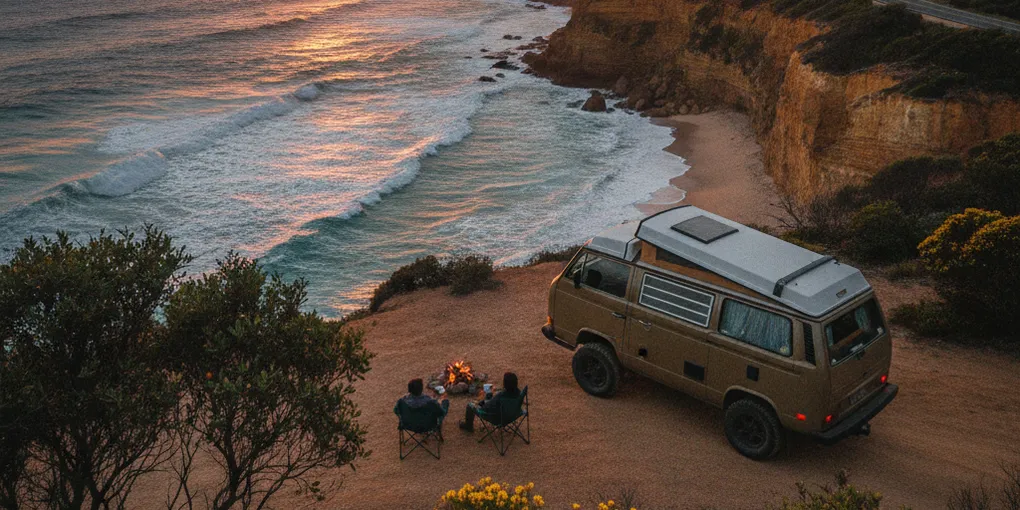
Australia’s “Big Lap” isn’t just a road trip; it’s a rite of passage, an epic odyssey around a continent bursting with diverse landscapes, unique wildlife, and unforgettable experiences. As we look towards 2026, the allure of circumnavigating this magnificent country is stronger than ever, but the way we travel is evolving.
Forget the old clichés! The Big Lap of tomorrow is about deeper connections, smarter planning, and making the journey truly your own. Whether you’re dreaming of red dust adventures, turquoise coastlines, or bustling cityscapes, joining the throngs of intrepid travellers hitting the road in 2026 promises an experience like no other.
Why 2026 is THE Year for Your Big Lap Adventure
The world has shifted, and so has our approach to travel. The Big Lap in 2026 is being shaped by exciting new trends, making it more accessible, sustainable, and personalized than ever before.
1. The Rise of the Eco-Conscious Explorer
Sustainability isn’t just a buzzword; it’s a way of life for many modern adventurers. Big Lappers in 2026 are increasingly seeking to minimise their environmental footprint and give back to the places they visit.
- Leave No Trace: Adopting stricter principles for waste management, water conservation, and respecting natural habitats.
- Supporting Local: Prioritising purchases from local businesses, Indigenous art centres, and community-run tours to ensure tourism benefits regional economies directly.
- Eco-Friendly Stays: Opting for national park campgrounds, eco-lodges, or low-impact free camping spots where permitted.
2. Digital Nomads on the Move: Work-Life-Wanderlust
The “work from anywhere” revolution has hit the road, transforming the Big Lap into an extended adventure rather than a finite holiday. Many travellers are combining their journey with remote work, allowing for longer stays and deeper immersion.
- Starlink & Connectivity: Improved satellite internet solutions like Starlink are making reliable connectivity in remote areas a reality, enabling seamless work on the go.
- Dedicated Mobile Workspaces: Vans and caravans are being kitted out with ergonomic setups, solar charging, and signal boosters.
- Flexibility is Key: The ability to extend stays in places you love without impacting income is a game-changer.
3. Seeking Solitude: Off-Grid & Self-Sufficient Living
After years of crowded spaces, many are craving true escape and self-sufficiency. The Big Lap offers unparalleled opportunities for getting off the beaten path.
- Enhanced Vehicle Setups: More travellers are investing in robust solar power systems, increased water storage, portable grey water solutions, and reliable recovery gear.
- Hidden Gems: Utilising apps and local knowledge to find lesser-known campsites and attractions away from the main tourist hubs.
- Minimalist Packing: A focus on essential, multi-purpose gear to reduce clutter and increase freedom.
4. Health & Wellness on the Road
The open road is a natural healer. Modern Big Lappers are incorporating wellness practices into their journey, making it a holistic experience.
- Mindful Movement: Daily walks, hikes to lookouts, beach yoga sessions, and swimming in natural waterholes.
- Nutrient-Rich Cooking: Preparing fresh, healthy meals on the road, often sourced from local markets.
- Digital Detox Moments: Intentionally switching off screens to fully absorb the natural beauty and connect with fellow travellers.
Planning Your Epic 2026 Big Lap: Essential Considerations
Ready to hit the road? Here’s a quick guide to kickstart your planning.
Vehicle Choice: Your Home on Wheels
- 4WD with a Camper Trailer/Caravan: Ideal for accessing remote tracks and comfortable living.
- Motorhome/Campervan: Excellent for ease of setup and city/town stays, though less off-road capability.
- Roof Top Tent on a 4WD: A versatile and often more affordable option for adventurous souls.
Pro Tip: Regardless of your choice, ensure your vehicle is mechanically sound and regularly serviced. Outback conditions are no joke!
Budgeting for the Adventure of a Lifetime
The cost of a Big Lap varies wildly, but a general rule of thumb for 12 months is often cited between AUD $50,000 - $80,000+ for a couple, depending on your style of travel (luxury vs. budget).
- Fuel: Your biggest expense, especially with current prices. Use fuel comparison apps.
- Food: Self-catering saves a fortune. Stock up in major towns.
- Accommodation: Mix free camping, national parks, and caravan parks.
- Activities & Tours: Factor in bucket-list experiences like Ningaloo Reef swims or Kakadu tours.
- Maintenance & Insurance: Don’t skimp on breakdown cover and comprehensive vehicle insurance.
Timing & Seasons: Chasing the Sun
Australia’s vastness means you’ll encounter diverse climates. The general strategy is to follow the sun.
- Winter (May - Sept): Head north to Queensland, Northern Territory, and northern Western Australia to escape the southern chill and avoid the wet season.
- Summer (Oct - April): Explore the southern states like Victoria, South Australia, and Tasmania for pleasant weather.
Beyond the Horizon: What Awaits You
From the ancient wonders of Uluru to the dazzling coral gardens of the Great Barrier Reef, the thunderous waterfalls of Kakadu to the pristine beaches of the Eyre Peninsula, every kilometre of the Big Lap unveils a new marvel. It’s a journey of self-discovery, cultural immersion, and pure, unadulterated adventure.
So, start planning, embrace the trends, and get ready to create memories that will last a lifetime. The open road is calling, and Australia’s Big Lap in 2026 is waiting to be explored!
Frequently Asked Questions (FAQ)
How long does it typically take to complete Australia’s Big Lap?
The “Big Lap” is a flexible journey, but most travellers aim for a minimum of 6 to 12 months to truly experience the diverse landscapes and attractions without feeling rushed. Some adventurers even extend their trip to 18 months or more, especially if they integrate remote work or prolonged stays in specific regions. A shorter trip (e.g., 3-4 months) is possible, but it would involve a much faster pace and less time for exploration in each area.
What is the estimated cost for doing the Big Lap?
The cost of the Big Lap varies significantly based on your travel style. For a couple travelling for 12 months, a common budget range is AUD $50,000 to $80,000+. This includes fuel (often the largest expense), food, accommodation (a mix of free camping and caravan parks), activities, vehicle maintenance, and insurance. Luxury travellers or those undertaking extensive tours might spend upwards of $100,000+, while super budget-conscious travellers can sometimes complete it for less by mostly free camping and cooking all their meals.
What’s the best type of vehicle for circumnavigating Australia?
The “best” vehicle depends entirely on your travel plans and comfort preferences. A 4WD with a camper trailer or off-road caravan is highly recommended if you plan to explore remote areas, national parks with unsealed roads, or want to truly get off the beaten path. For those sticking mostly to sealed roads and main highways, a 2WD campervan or motorhome can be a comfortable and efficient choice. Roof-top tents on a 4WD are also popular for their versatility and ease of setup for adventurous solo travellers or couples. Always ensure your chosen vehicle is well-maintained and suitable for the harsh Australian conditions.
What are the absolute essential items I need for the Big Lap?
Beyond your vehicle and personal items, some essential gear for the Big Lap includes a reliable navigation system (GPS, good maps, and an offline mapping app), a comprehensive first-aid kit, recovery gear (especially for 4WDs, like a snatch strap and air compressor), a portable air compressor for adjusting tyre pressures, adequate water storage and purification options, a fridge/freezer, solar power setup for off-grid camping, a reliable communication device (satellite messenger/phone for remote areas), and insect repellent. Don’t forget sturdy walking shoes and sun protection!
Is it safe for a solo traveller to do the Big Lap?
Yes, it is generally safe for solo travellers to do the Big Lap, and many women and men embark on this adventure alone each year. Australia is a safe country, but it’s crucial to be prepared and exercise common sense. Key safety tips for solo travellers include: always letting someone know your itinerary, especially when heading into remote areas; carrying a reliable communication device (like a satellite messenger); trusting your instincts; having basic mechanical knowledge; and being aware of local conditions and wildlife. Joining online communities for solo travellers can also provide support, tips, and opportunities to meet others on the road.