The Big Lap Reimagined: How Modern Trends Are Transforming Australia's Ultimate Road Trip
Discover how sustainable travel, digital nomadism, and wellness trends are making Australia's Big Lap more incredible than ever. Plan your epic journey!
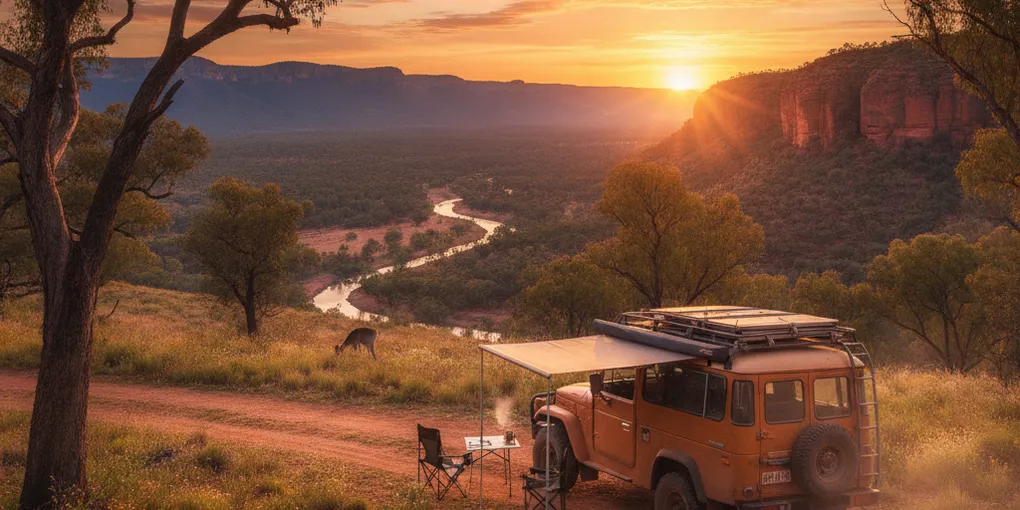
The Big Lap Reimagined: How Modern Trends Are Transforming Australia’s Ultimate Road Trip
Ah, the Big Lap. For generations of Aussies and global adventurers alike, it’s been the ultimate bucket-list odyssey – a monumental drive around the entire coastline of this vast, sunburnt country. But if you think the Big Lap is just about clocking kilometres and ticking off landmarks, think again. The world of travel is evolving, and so too is this iconic journey.
As your resident expert on all things Australian road tripping, I’m here to tell you that the Big Lap isn’t just surviving; it’s thriving, adapting, and becoming more meaningful than ever, thanks to some powerful new travel trends. Forget the hurried sprint; today’s Big Lappers are embracing a richer, deeper, and more sustainable experience.
More Than Just Miles: Embracing the “Slow Travel” Revolution
The classic Big Lap often conjured images of ticking off destinations at a rapid pace. But one of the biggest shifts we’re seeing is the rise of slow travel. This isn’t just about driving slowly; it’s about slowing down your entire experience.
- Deeper Immersion: Instead of a whirlwind photo stop, travellers are spending extra days in locations like the Kimberley, exploring hidden gorges, connecting with local Indigenous guides, or truly unwinding on a remote beach.
- Supporting Local: Slow travel encourages spending more time in regional towns, supporting local businesses, farmers’ markets, and artisan creators, directly contributing to the communities you pass through.
- Mindful Moments: It’s about taking that extra hour to watch a sunrise over Uluru, meditating by a billabong in Kakadu, or simply enjoying a quiet evening campfire under a billion stars.
The Sustainable Big Lap: Treading Lightly on Ancient Lands
With growing awareness of environmental impact, a sustainable approach to the Big Lap is no longer optional – it’s essential. Modern Big Lappers are passionate about preserving Australia’s pristine wilderness and ancient cultures.
- Leave No Trace: Adhering strictly to national park rules, carrying out all rubbish (and a little extra!), and staying on marked tracks are paramount.
- Eco-Friendly Choices: From solar-powered setups in caravans to choosing eco-certified accommodations and tours, travellers are actively seeking ways to minimise their footprint.
- Cultural Respect: Engaging with Indigenous tourism operators, learning about local customs, and understanding the significance of the land are vital for a respectful journey. This enriches your experience immensely while honouring Australia’s First Nations peoples.
Digital Nomads Hit the Road: Blending Work and Wanderlust
The post-pandemic world ushered in an era of remote work, and Australia’s Big Lap has become a dream office for many digital nomads. Imagine taking your zoom calls with a view of the Ningaloo Reef, or writing blog posts from a rainforest camp.
- Connectivity Solutions: Starlink, satellite phones, and portable Wi-Fi devices are becoming essential gear, allowing travellers to stay connected even in remote areas.
- Flexible Itineraries: The freedom to work from anywhere means itineraries can be more flexible, allowing for longer stays in locations that offer both good internet and stunning scenery.
- Mobile Workspaces: Caravans and campervans are increasingly being outfitted with dedicated workspaces, ergonomic chairs, and charging stations, transforming them into comfortable, mobile offices.
Wellness on Wheels: Reconnecting with Self and Nature
The mental and physical benefits of nature are well-documented, and the Big Lap offers an unparalleled opportunity for wellness travel. It’s a chance to disconnect from urban stresses and reconnect with yourself.
- Nature Immersion: Daily walks along stunning coastlines, swimming in freshwater holes, hiking through ancient landscapes – these are the new “spa treatments.”
- Mindfulness & Digital Detox: Many travellers intentionally seek out periods of no reception, embracing the opportunity for a true digital detox, focusing on presence and peace.
- Healthy Eating: With the freedom of a mobile kitchen, cooking fresh, local produce bought from farm gates and regional markets becomes a joyous part of the routine, promoting healthier eating habits.
Pet-Friendly Adventures: Bringing Fido Along for the Ride
For many, a family adventure isn’t complete without their furry friends. The demand for pet-friendly travel has exploded, and while Australia’s national parks have restrictions, the Big Lap is increasingly accommodating for those travelling with dogs.
- Designated Stops: More caravan parks, campsites, and even certain attractions are now welcoming pets. Researching pet-friendly options is crucial for planning.
- Outback Freedom: Beyond national parks, vast areas of the Australian outback offer incredible opportunities for dogs to explore off-leash (where safe and permitted).
- Preparation is Key: Ensuring your pet is accustomed to long drives, has appropriate safety gear, and that you have a plan for their care during national park visits is vital.
The Big Lap: Your Epic, Evolved Adventure Awaits
The Big Lap has always been an incredible journey, but these modern trends are elevating it to an experience far richer, more responsible, and deeply personal. It’s no longer just a drive; it’s a lifestyle choice, a mindful exploration, and a profound connection with one of the most unique continents on Earth.
So, are you ready to reimagine your Big Lap? Start planning, embrace the trends, and get ready for the adventure of a lifetime!
Frequently Asked Questions (FAQ)
How long does the Big Lap typically take, and what’s a good duration for a “slow travel” experience?
The traditional “Big Lap” can be completed in anywhere from 3 to 6 months if you’re moving at a steady pace. However, for a true “slow travel” experience that allows for deeper immersion, many recommend 9 to 12 months, or even longer. This allows you to spend weeks in key regions, adapt to seasonal changes, and truly soak in the local culture without feeling rushed.
What is the best vehicle for undertaking the Big Lap, considering different travel styles?
The “best” vehicle depends entirely on your travel style and budget.
- 4x4 and Caravan/Camper Trailer: Ideal for those wanting to tackle more remote, unsealed roads (like parts of the Kimberley or Cape York) while still having a comfortable base.
- Campervan/Motorhome: Great for ease of setup, often more fuel-efficient than a 4x4 with a large caravan, and suitable for sealed roads and designated campsites. They offer good living space and convenience.
- 2WD with Rooftop Tent/Tent: The most budget-friendly option, offering flexibility and access to more basic campsites. However, it limits access to unsealed tracks and requires more manual setup.
What is a realistic budget for the Big Lap in current times, incorporating modern trends?
Budgeting for the Big Lap can vary wildly, but a realistic estimate for a couple on a moderate budget (including fuel, food, basic accommodation, and some activities) is between AUD $1,500 - $2,500 per week. This factors in current fuel prices and the desire for more authentic experiences. Digital nomads might budget slightly less on accommodation if they free-camp more, while those prioritizing sustainable tours or wellness retreats might spend more. Many travellers aim to reduce costs by cooking their own meals, utilising free/low-cost campsites, and managing fuel consumption efficiently.
When is the best time of year to complete the Big Lap of Australia?
There isn’t a single “best” time, as Australia’s climate varies significantly. Most people plan their Big Lap to “follow the sun”:
- Winter (May - September): Head north to enjoy the dry season in Tropical North Queensland, the Northern Territory, and the Kimberley, avoiding the intense heat and wet season humidity.
- Summer (October - April): Travel south to explore the southern states (Victoria, South Australia, Tasmania) and Western Australia’s south, enjoying milder temperatures and avoiding the northern wet season. This strategy helps avoid extreme weather conditions and allows you to enjoy each region at its best.
Can I travel the Big Lap with my dog, and what are the main considerations?
Yes, you can absolutely travel the Big Lap with your dog, but it requires careful planning!
- National Parks: Most national parks in Australia do NOT allow dogs, so you’ll need to plan around these areas with pet-friendly alternatives or arrange temporary boarding/kennel stays.
- Accommodation: Research pet-friendly caravan parks, campsites, and sometimes even cabins in advance.
- Heat: Ensure your dog is always safe from extreme heat, especially in northern Australia. Never leave them in a hot vehicle.
- Water & Food: Carry ample water and food, especially for remote stretches.
- Identification & Health: Ensure your dog’s microchip details are up to date and they have current vaccinations and flea/tick prevention.
- Leash Laws: Always adhere to local leash laws and clean up after your pet. It’s a rewarding experience, but diligent planning is key for a safe and enjoyable trip with your furry companion.