The Big Lap Reimagined: Your 2026 Guide to Australia's Ultimate Eco-Adventure & Digital Nomad Road Trip
Dreaming of Australia's Big Lap? Discover 2026's hottest trends for this epic road trip, from sustainable travel and off-grid living to digital nomad tips and budget hacks. Start planning your unforgettable journey around Australia!
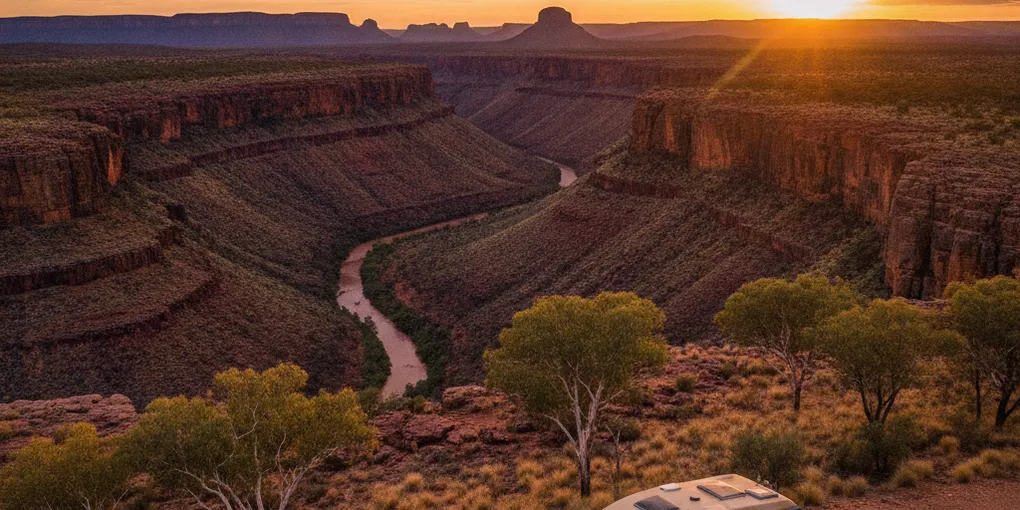
Imagine waking up to the gentle lapping of waves on a pristine beach, the rustle of gum leaves in the breeze, or the breathtaking expanse of the Outback stretching to the horizon. This isn’t just a dream; it’s a daily reality for those embarking on Australia’s legendary Big Lap.
More than just a drive, the Big Lap is a pilgrimage, an ultimate quest for freedom, adventure, and discovery. And for 2026, it’s evolving! With new trends in sustainable travel, remote work, and authentic experiences shaping how we explore, your Big Lap adventure is set to be more personalized and impactful than ever before.
Are you ready to redefine your journey around the world’s most incredible continent? Let’s dive into how you can make your 2026 Big Lap truly unforgettable.
Why 2026 is the Year for Your Big Lap Adventure
The world of travel is constantly shifting, and the Big Lap is no exception. Here’s why 2026 is perfectly poised for your epic Australian road trip:
1. The Rise of Eco-Conscious Exploration
Travelers are increasingly aware of their environmental footprint and seeking ways to give back.
- Leave No Trace Principles: Embracing responsible camping, waste management, and respecting natural habitats.
- Supporting Local & Indigenous Tourism: Engaging with First Nations communities, experiencing ancient cultures, and purchasing from local artisans.
- Sustainable Campgrounds: Opting for sites with eco-friendly facilities, solar power, and water conservation efforts.
2. The Digital Nomad Dream: Work from Anywhere
The remote work revolution means you no longer have to choose between your career and your adventure.
- Enhanced Connectivity: With improved mobile coverage (especially with Telstra’s extended network) and the growing popularity of Starlink satellite internet, staying connected for work calls or uploads is more feasible than ever in remote areas.
- Mobile Offices: Designing your caravan or campervan to include a dedicated workspace, complete with ergonomic solutions and reliable power.
- Regional Co-working Spaces: Discovering small-town cafes or libraries offering Wi-Fi, fostering a sense of community even on the road.
3. Slow Travel & Wellness Journeys
Forget rushing through checklists. The 2026 Big Lap is about immersion, mindfulness, and taking time to truly connect.
- Extended Stays: Spending longer in places that resonate with you, allowing for deeper exploration and connection with local life.
- Nature Immersion: Prioritizing hikes, swimming in natural springs, stargazing, and unplugging from devices to reconnect with nature.
- Wellness on the Road: Incorporating yoga, meditation, healthy eating, and mental breaks into your daily routine.
4. Authenticity & Unique Experiences
Beyond the postcards, modern travelers crave genuine, off-the-beaten-path encounters.
- Hidden Gems: Researching lesser-known national parks, secret swimming holes, and local events away from the main tourist hubs.
- Farm Stays & Station Visits: Experiencing genuine outback life, often offering camping or accommodation with unique activities.
- Skill-Based Travel: Learning about bush tucker, traditional crafts, or participating in conservation efforts along your route.
Planning Your Epic 2026 Big Lap Journey
Preparation is key to a smooth and enjoyable adventure. Here’s what to consider:
Your Wheels: Choosing the Right Ride
- 4x4 & Camper Trailer: Ideal for off-road adventures, remote tracks, and reaching those truly secluded spots. Offers flexibility and a comfortable setup.
- Caravan: Perfect for longer stays, families, and those seeking more home-like comforts. Can be towed by a suitable 4x4 or powerful 2WD.
- Campervan/Motorhome: Great for solo travelers or couples, offering convenience and ease of setup. Some models offer 4x4 capabilities.
- Budget-Friendly Setup: A reliable 2WD sedan or wagon with a sturdy tent and camping gear can still get you around the majority of sealed roads, offering a more economical entry point.
Crafting Your Route & Rhythm
The Big Lap can be done clockwise or anti-clockwise, each with its advantages based on the season.
- Northern Winters (May - September): Head North to enjoy warm, dry weather in Queensland, NT, and WA.
- Southern Summers (October - April): Explore the cooler climates of NSW, Victoria, Tasmania, and South Australia.
- Flexibility is Freedom: While a general plan is good, be open to changing your route based on weather, local recommendations, or simply a place that captures your heart.
Budgeting for Freedom
Costs can vary wildly, but here are key areas:
- Fuel: Your biggest expense! Factor in fluctuating prices and varying distances between fuel stops, especially in remote areas.
- Food & Drink: Cooking your own meals is far more economical than eating out. Stock up in major towns.
- Accommodation: National park fees, caravan park sites, free camps (like those found on WikiCamps app) – mix and match to save.
- Activities & Tours: Allocate funds for those once-in-a-lifetime experiences (e.g., Great Barrier Reef tour, Uluru cultural experience).
- Maintenance & Emergency: Always have a contingency fund for unexpected vehicle repairs or medical needs.
Packing Smart & Staying Safe
- Essentials: Navigation (GPS, physical maps), first-aid kit, recovery gear (for 4x4s), satellite phone/personal locator beacon (PLB) for remote areas, comprehensive tool kit.
- Power Solutions: Solar panels, deep cycle batteries, and inverters are crucial for off-grid living and powering devices.
- Water & Food Storage: Ample water tanks/containers, a reliable fridge/freezer, and long-life food supplies.
- Communication: Reliable phone plan (Telstra generally has best regional coverage), possibly a booster or satellite device.
Unmissable Moments Along the Way
While your unique journey will reveal its own treasures, here are just a few iconic experiences that encapsulate the spirit of the Big Lap:
- Witness the magic of Uluru in the heart of the Red Centre.
- Snorkel the vibrant Great Barrier Reef off the Queensland coast.
- Explore the rugged beauty of the Kimberley region in Western Australia.
- Drive the spectacular Great Ocean Road in Victoria.
- Discover ancient Indigenous rock art in Kakadu National Park.
- Swim with whale sharks at Ningaloo Reef (WA).
Embrace the Spirit of the Big Lap
Ultimately, the Big Lap isn’t just about the places you see; it’s about the person you become. It’s about resilience, resourcefulness, connection, and an unwavering appreciation for the raw beauty and immense scale of Australia. Be open to spontaneity, embrace the challenges, and savour every single sunrise and sunset.
Are you ready to swap the everyday for the extraordinary? The open road is calling, and Australia’s Big Lap awaits!
Frequently Asked Questions (FAQ)
How long does the Big Lap usually take?
The typical Big Lap journey takes anywhere from 6 months to 12 months. While it’s technically possible to do it faster, committing to at least six months allows you to truly immerse yourself, explore various regions in depth, and avoid feeling rushed. Many travelers prefer a year to experience different seasons and spend longer in places they particularly love.
What’s the best vehicle for the Big Lap?
The “best” vehicle depends entirely on your travel style, budget, and desired level of adventure.
- A 4x4 with a camper trailer or robust caravan is ideal if you plan to tackle remote unsealed roads, national parks, and off-grid camping.
- A 2WD motorhome or campervan is perfect for those sticking primarily to sealed roads and wanting easier maneuverability and setup.
- A reliable 2WD car with a quality tent and camping gear is the most budget-friendly option and perfectly capable for accessing many major attractions along the main highway network.
How much does the Big Lap cost?
The cost of the Big Lap varies significantly based on your travel style, duration, and preferences. A realistic budget for a couple can range from AUD $40,000 to $80,000+ for a 6-12 month trip. Key expenses include:
- Fuel: A major cost, depending on vehicle efficiency and distances.
- Food: Self-catering significantly reduces costs.
- Accommodation: Mixing free camps with paid caravan parks saves money.
- Activities & Tours: Can add up quickly if you do many paid excursions.
- Vehicle Maintenance & Insurance: Essential for peace of mind.
- Miscellaneous: National park passes, laundry, personal items, etc.
When is the best time of year to do the Big Lap?
The ideal time depends on your starting point and direction. Most travelers follow the sun to avoid extreme weather:
- Clockwise: Start in the south in autumn (March-May) and head north for winter (June-August) to enjoy pleasant weather in Queensland, NT, and WA. Then, head south again for spring/summer (September-February) in NSW, Victoria, SA, and Tasmania.
- Anti-clockwise: Start in the south in spring (September-November) and head to the northern regions for summer (December-February), although this can mean contending with the wet season and high humidity/cyclones up north. It’s generally recommended to head north during the dry season.
Is it possible to work remotely while doing the Big Lap?
Yes, absolutely! With advancements in technology, working remotely on the Big Lap is more achievable than ever before.
- Connectivity: Invest in a reliable mobile data plan (Telstra generally has the best regional coverage), a mobile signal booster, and consider a Starlink satellite internet dish for truly remote areas.
- Power: Ensure you have a robust solar power setup and deep cycle batteries to keep your devices charged.
- Workspace: Designate a comfortable and functional workspace within your vehicle, even if it’s just a collapsible table and chair.
- Flexibility: Be prepared for occasional internet outages or limited service in very remote locations, and factor this into your work schedule.