The Big Lap Australia: Your Ultimate Adventure for Modern Explorers (2026 Edition)
Planning Australia's Big Lap? Discover current trends, essential tips, and how to make your epic road trip sustainable, connected, and unforgettable in 2026.
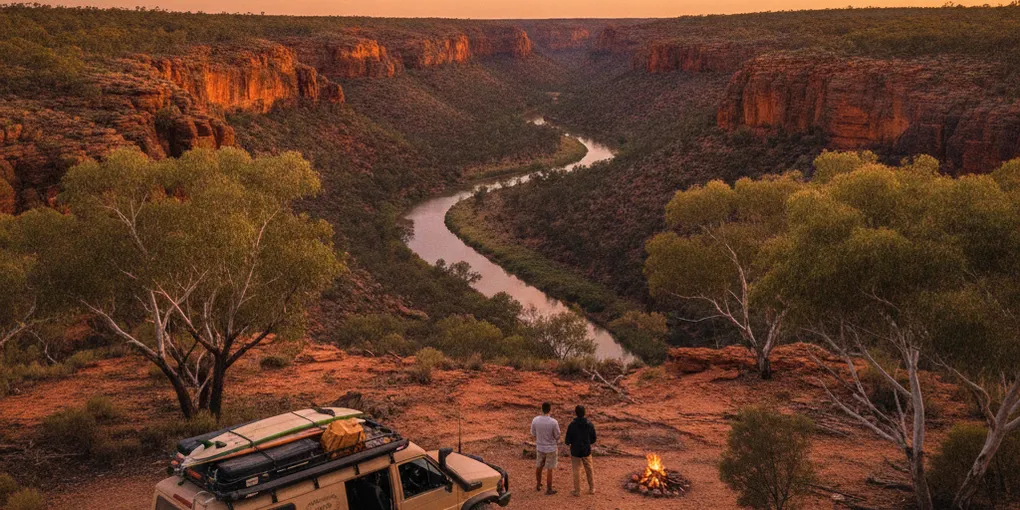
The open road calls. The vast, sunburnt continent of Australia beckons with promises of red dust, turquoise waters, ancient landscapes, and encounters that will redefine your understanding of freedom. For decades, the “Big Lap” – the epic journey circumnavigating Australia – has been the ultimate dream for adventurers. But in 2026, this iconic road trip isn’t just a drive; it’s an immersive experience for the modern explorer, redefined by exciting new trends and a renewed desire for connection and sustainability.
As your expert guide to all things Aussie travel, I’m here to tell you why now is the absolute best time to hit the road and embark on your own Big Lap.
Why NOW is the Time for Your Big Lap
The world has changed, and so has the way we travel. There’s a heightened appreciation for authentic experiences, a deeper commitment to sustainable practices, and an undeniable craving for the freedom only a self-sufficient road trip can offer. The Big Lap perfectly encapsulates this shift. It’s not just about seeing the sights; it’s about:
- Disconnecting to Reconnect: Escaping the daily grind to find profound connection with nature, culture, and yourself.
- Embracing Flexibility: Crafting your own itinerary, lingering where you wish, and chasing the horizon at your own pace.
- Sustainable Exploration: A growing movement towards responsible tourism, minimizing impact, and supporting local communities.
- The Rise of the Digital Nomad: Seamlessly blending work with wanderlust, making the dream of an extended adventure a reality.
This isn’t just a holiday; it’s a lifestyle transformation.
Embracing the Modern Explorer: 2026 Trends on the Road
The Big Lap has always been about adventure, but the modern traveler is adding new layers of purpose and possibility. Here’s what’s trending for your epic journey:
Sustainable Wanderlust: Leave No Trace, Take Only Memories
More than ever, travelers are seeking to minimize their environmental footprint. On the Big Lap, this means:
- Eco-Friendly Camping: Utilizing designated campsites, respecting nature reserves, and properly disposing of all waste.
- Supporting Local & Indigenous Businesses: Choosing locally-owned accommodations, tour operators, and shops, especially those offering authentic Indigenous experiences.
- Refill & Reuse: Carrying reusable water bottles, coffee cups, and shopping bags to reduce single-use plastics.
- Minimizing Fuel Consumption: Planning efficient routes, maintaining your vehicle, and even considering hybrid or electric vehicle options where charging infrastructure permits.
The Digital Nomad’s Dream: Work From Anywhere
Australia’s vastness once meant leaving work behind. Not anymore! With improved satellite internet options (Starlink is a game-changer for many), boosted mobile signals in regional areas, and more accessible co-working spaces in larger towns, digital nomads are making the Big Lap their mobile office.
- Reliable Connectivity: Investing in a satellite internet setup or a high-quality mobile booster is key.
- Flexible Work Schedules: Planning work around travel days and leveraging stunning remote backdrops for inspiration.
- Portable Power Solutions: Solar panels, robust battery systems, and inverters are essential for staying charged.
Beyond the Tourist Trail: Authentic Local Encounters
While the iconic landmarks are unmissable, the modern Big Lapper is digging deeper for genuine cultural immersion.
- Indigenous Experiences: Seeking out guided tours, art centres, and cultural events led by Traditional Owners to learn about the world’s oldest living culture.
- Small Town Charms: Detouring to discover hidden gems, quirky local festivals, and the true hospitality of regional Australia.
- Farm Stays & Station Visits: Gaining insights into rural life, from working cattle stations to fruit farms.
- Local Food & Wine Trails: Indulging in regional produce, from fresh seafood on the coast to outback bush tucker.
Budgeting Brilliance: Smart Spending for Longer Adventures
While the Big Lap can be a significant investment, savvy travelers are finding innovative ways to make their money go further, allowing for extended journeys.
- Free Camping & National Park Stays: Utilising apps like WikiCamps to find free or low-cost campsites and enjoying the incredible amenities of National Park campgrounds.
- Self-Catering: Equipping your vehicle with a well-stocked kitchen to prepare most meals, significantly cutting down on restaurant costs.
- Membership Discounts: Joining organisations like RACV/NRMA for fuel discounts and roadside assistance.
- Seasonal Travel: Planning your route to follow the best weather, avoiding peak season crowds and prices.
Van Life Evolution: Comfort, Community & Customisation
The “van life” phenomenon has transformed the Big Lap. Modern setups are more comfortable, functional, and Instagram-worthy than ever before.
- Smart Vehicle Choices: From robust 4x4s for off-road adventures to spacious campervans and luxurious caravans.
- Home Comforts: Integrated solar power, composting toilets, hot showers, and fully equipped kitchens are becoming standard.
- Online Communities: Connecting with fellow Big Lappers through social media groups, sharing tips, campsite recommendations, and even meeting up on the road.
Your Essential Big Lap Toolkit
Ready to start planning? Here’s what you’ll need:
- The Right Ride: A reliable 4x4 is recommended for truly exploring the off-the-beaten-path destinations (Gibb River Road, Cape York). A robust 2WD campervan is perfect for main highways. Ensure it’s serviced, packed with spares, and equipped for self-sufficiency.
- Navigation & Communication: Offline maps (Maps.me, Hema Maps), a GPS device, a personal locator beacon (PLB) for remote areas, and a satellite phone or Starlink setup for emergency communication.
- Water & Fuel: Carry ample supplies of both. Fuel stops can be hundreds of kilometres apart in the outback.
- Safety Gear: First aid kit, snatch strap, shovel, air compressor, tire repair kit, fire extinguisher.
- Essential Apps: WikiCamps Australia, FuelMap Australia, BOM Weather, and specific National Park apps.
Memories in the Making: What You’ll Experience
Imagine waking up to the sound of crashing waves on a pristine beach, hiking through ancient rainforests, watching kangaroos bound across a fiery red landscape at sunset, or gazing at a galaxy of stars unobstructed by city lights. The Big Lap is a sensory overload in the best possible way:
- Iconic Landmarks: Uluru, Kakadu, the Great Barrier Reef, the Twelve Apostles – ticked off your bucket list.
- Hidden Gems: Discovering remote gorges, deserted beaches, and quirky outback towns that few ever see.
- Wildlife Encounters: Kangaroos, koalas, crocodiles, whales, dolphins, and an incredible array of birds.
- Deep Time & Culture: Connecting with Indigenous culture and the geological wonders of a continent millions of years old.
- Unforgettable Sunrises & Sunsets: The vastness of the Australian sky puts on a daily spectacle.
- The Freedom of the Road: That unparalleled feeling of pure, unadulterated adventure.
Your Big Lap isn’t just a trip; it’s a story waiting to be written. It’s a journey that will challenge you, inspire you, and ultimately, transform you. So, fuel up, pack your sense of adventure, and get ready to discover the heart and soul of Australia, one kilometre at a time. The road is calling – will you answer?
Frequently Asked Questions (FAQ)
How long does the Big Lap usually take?
While you could rush it in 3-4 months, most Big Lappers recommend dedicating at least 6-12 months to truly experience Australia without feeling rushed. This allows for detours, extended stays in favourite spots, and adapting to weather patterns. Many people even take 18 months to two years to fully immerse themselves.
What’s the best vehicle for the Big Lap?
For maximum flexibility and access to remote, stunning locations (like the Kimberley or Cape York), a reliable 4x4 with a camper trailer, pop-top caravan, or a robust touring setup is ideal. If you plan to stick mostly to sealed roads and major highways, a well-equipped 2WD campervan or motorhome can be sufficient and more fuel-efficient. The key is reliability, self-sufficiency, and comfort for long periods.
How much does the Big Lap cost?
The cost can vary wildly depending on your travel style. A budget-conscious couple focusing on free camping and self-catering might spend AUD $1,500 - $2,500 per month. Those seeking more comforts, frequent restaurant meals, organised tours, and powered sites could spend AUD $3,000 - $6,000+ per month. Fuel, vehicle maintenance, and unexpected repairs are significant expenses, so always budget for contingencies.
Is the Big Lap safe for solo travelers?
Absolutely! Many solo adventurers successfully complete the Big Lap. Key safety tips include: planning your route, especially in remote areas; letting someone know your itinerary; carrying a satellite phone or PLB; driving cautiously; joining online communities for support and meet-ups; and trusting your instincts. Australia is generally safe, but remoteness requires preparation and common sense.
What’s the best time of year to do the Big Lap?
To avoid extreme heat in the north and cold/rain in the south, most people recommend doing the Big Lap in a clockwise or anti-clockwise direction following the seasons.
- Clockwise: Start in the south in autumn (March-May) to head north for the dry season (winter: June-August), then move south again as summer approaches.
- Anti-clockwise: Start in the south in spring (Sept-Nov) and head north for the build-up before the wet season, then aim to be in the south for summer. Always check regional weather forecasts, as seasons vary greatly across the continent.