The Ultimate Guide to Australia's Big Lap: Why Now is YOUR Time for the Adventure of a Lifetime!
Dreaming of Australia's Big Lap? Discover current travel trends, essential tips, and why embarking on this epic road trip now offers unmatched freedom, nature, and adventure. Your ultimate guide to hitting the road!
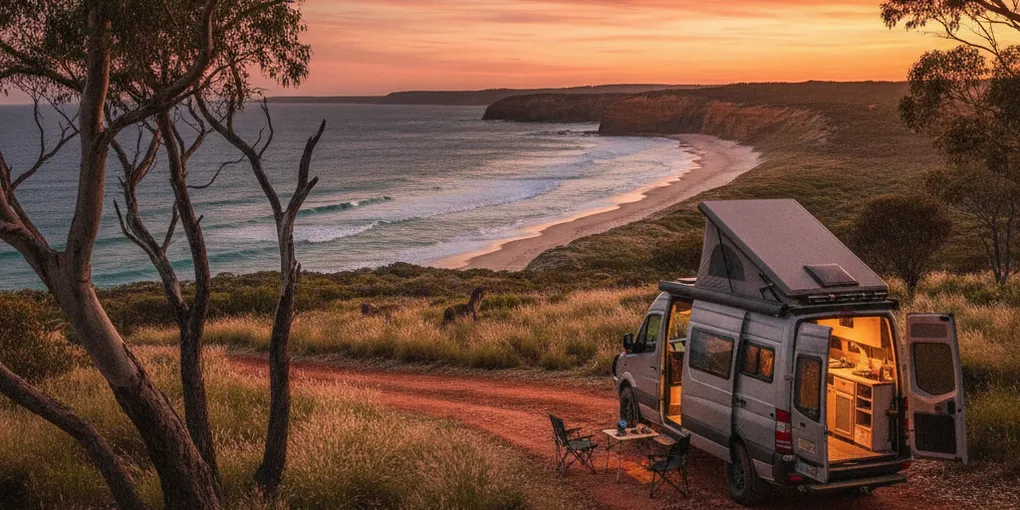
The Ultimate Guide to Australia’s Big Lap: Why Now is YOUR Time for the Adventure of a Lifetime!
Hey fellow wanderlusters! Are you feeling that familiar itch? That pull towards the open road, the endless horizon, and the kind of freedom only a truly epic journey can provide? If so, you’re not alone. Australia’s legendary Big Lap – the ultimate circumnavigation of our incredible continent – is more than just a trip; it’s a rite of passage, a grand adventure, and it’s experiencing a massive resurgence in popularity.
But this isn’t just about hitting the road; it’s about embracing a new era of travel. With changing global dynamics and a renewed appreciation for nature, self-sufficiency, and authentic experiences, now is truly the golden age to plan your Big Lap. Let’s dive into why this iconic journey should be at the top of your adventure list, and how to make it unforgettable by tapping into the latest travel trends.
Why the Big Lap is More Appealing Than Ever (Current Travel Trends Revealed!)
The world has changed, and so has the way we travel. Here’s how current trends perfectly align with the Big Lap experience:
1. The Call of Nature & Wide-Open Spaces
After years of lockdowns and restrictions, there’s a collective yearning for the outdoors. The Big Lap delivers this in spades. From the rugged beauty of the Kimberley to the pristine beaches of Western Australia, the ancient landscapes of the Red Centre, and the lush rainforests of Queensland, you’ll be immersed in unparalleled natural beauty. It’s the ultimate digital detox and a reconnection with the wild.
2. The Rise of Self-Sufficient & RV Travel
Forget crowded hotels and strict itineraries. The post-pandemic world has seen an explosion in RV, caravan, and campervan sales. Travelers are seeking control, flexibility, and the ability to be completely self-contained. The Big Lap is the quintessential RV adventure, allowing you to carry your home with you, set your own pace, and discover hidden gems far from the tourist crowds.
3. Work-Life-Lap Balance: The Digital Nomad Dream
With remote work becoming the norm, more people can take their jobs on the road. Imagine checking emails with an ocean view in Exmouth, or joining a video call from a national park in the Northern Territory. With improving connectivity in regional areas, the Big Lap isn’t just a holiday; for many, it’s a new way of life that blends work, travel, and adventure seamlessly.
4. Experiential & Indigenous Tourism
Modern travelers crave authentic, meaningful experiences over superficial sightseeing. The Big Lap offers incredible opportunities for this. Engage with Indigenous cultures, learn ancient stories, participate in bush tucker tours, or explore sacred sites. These profound encounters enrich your journey far beyond any postcard view.
5. Sustainable & Responsible Exploration
As awareness of our environmental impact grows, so does the desire for sustainable travel. The Big Lap encourages responsible tourism through its nature-focused itinerary. Choosing eco-friendly campgrounds, supporting local businesses, practicing “Leave No Trace” principles, and appreciating fragile ecosystems are all part of the journey.
Crafting YOUR Epic Big Lap Adventure
So, how do you turn this dream into a reality? Here are some insights to get you started:
Planning for the Long Haul: Time & Budget
The Big Lap isn’t a weekend trip. Most adventurers take anywhere from 6 months to 1 year (or even longer!) to truly experience it without rushing. This extended timeframe allows for deeper exploration, spontaneous detours, and soaking in the unique vibe of each region. Budget-wise, it varies wildly depending on your style – from frugal free-camping to luxurious caravan parks and excursions. Start saving, research daily costs, and factor in everything from fuel to food, permits, and maintenance.
The Right Wheels for the Road
Your vehicle is your home and your lifeline on the Big Lap. A reliable 4x4 vehicle with a caravan, camper trailer, or slide-on camper is the most popular choice, offering comfort and the ability to tackle unsealed roads to reach remote wonders. Ensure your vehicle is serviced, equipped for outback conditions, and has ample water and fuel capacity.
Embrace the Unexpected
While planning is essential, the true magic of the Big Lap often lies in its spontaneity. Be open to changing your itinerary based on local recommendations, weather conditions, or simply a feeling. Some of the best memories are made off the beaten track.
Connect with the Big Lap Community
One of the most rewarding aspects of this journey is the incredible community you become a part of. Fellow “lappers” are always ready to share tips, stories, and a campfire yarn. Join online forums, Facebook groups, and don’t hesitate to strike up a conversation at a campground – you’ll find lifelong friends on the road.
Don’t Just Dream It, Live It!
Australia’s Big Lap is more than a drive around a continent; it’s an opportunity for personal growth, unparalleled discovery, and creating memories that will last a lifetime. With the current travel landscape perfectly aligned to make this journey more rewarding and accessible than ever, there’s no better time to start planning your own adventure. Pack your bags, fuel your spirit, and get ready to experience the heart and soul of Australia!
Frequently Asked Questions (FAQ)
How long does the Big Lap of Australia typically take?
Most people doing the Big Lap take anywhere from 6 months to 12 months to complete the journey comfortably. While it’s technically possible to do it faster, a longer timeframe allows for deeper exploration of regions, spontaneous detours, and avoids feeling rushed. Some dedicated adventurers even extend their trip beyond a year to truly immerse themselves in specific areas.
What is the best type of vehicle for the Big Lap?
The ideal vehicle for the Big Lap is usually a reliable 4x4 (four-wheel drive) vehicle paired with a caravan, camper trailer, or a slide-on camper. A 4x4 allows you to access remote areas and national parks with unsealed roads, opening up more adventurous possibilities. Your choice of accommodation (caravan vs. camper) depends on your comfort preferences, budget, and desired level of off-road capability. Many also opt for a robust campervan, offering a balance of mobility and living space.
How much does it cost to do the Big Lap?
The cost of the Big Lap varies significantly depending on your travel style, duration, and chosen level of luxury. A rough estimate for a couple on a budget might be anywhere from AUD $1,000 - $1,500 per week, while those seeking more comfort, frequent caravan parks, and regular excursions could spend AUD $2,000+ per week. Key expenses include fuel, food, accommodation (caravan parks vs. free camping), vehicle maintenance, insurance, national park fees, and activities. It’s crucial to create a detailed budget and track your spending.
Is it safe to travel solo or with family on the Big Lap?
Yes, the Big Lap is generally considered very safe for solo travelers and families alike. Australia is a safe country, and the Big Lap routes are well-traveled. However, common sense and preparation are key. Always inform someone of your itinerary, carry emergency supplies (especially in remote areas), ensure your vehicle is well-maintained, and be aware of local conditions (e.g., extreme heat, unsealed roads, wildlife). The strong community of fellow travelers on the road also provides a sense of security and support.
Can I do the Big Lap with my pets?
Yes, many people embark on the Big Lap with their furry companions! However, it requires careful planning as pets are often restricted or prohibited in national parks, most protected areas, and some popular tourist attractions. You’ll need to research pet-friendly accommodation (caravan parks often allow them, but always check), find pet-friendly activities and lookouts, and consider pet-sitting options for areas where they can’t join you. Always ensure your pet’s vaccinations are up-to-date and they are comfortable with long drives and changing environments.