The Ultimate Big Lap: 2024+ Trends & Timeless Adventures Around Australia
Planning Australia's Big Lap? Discover current travel trends, eco-conscious tips, remote work hacks, and pet-friendly adventures for your epic journey around the continent.
The Call of the Open Road: Why the Big Lap is More Popular Than Ever
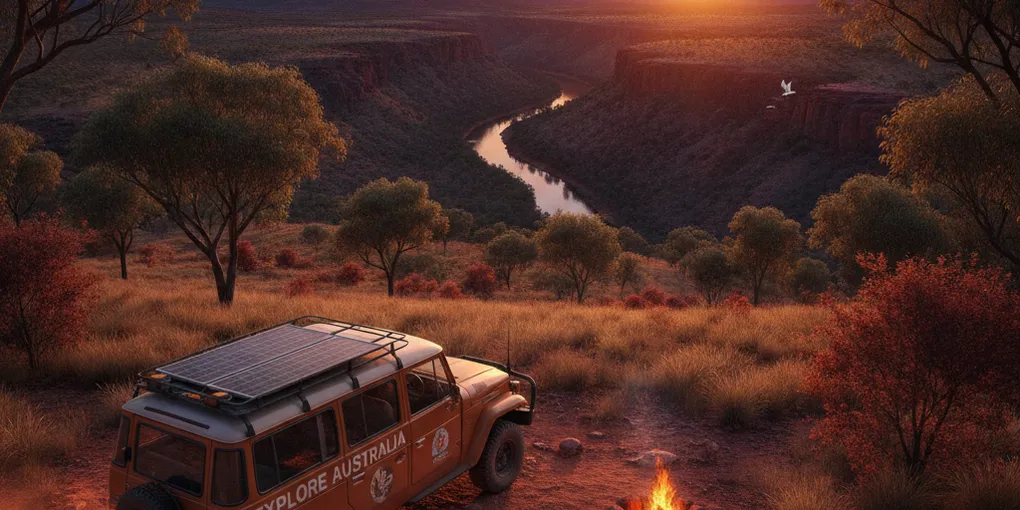
Ah, the Big Lap. Just saying it conjures images of endless highways, stunning coastlines, ancient landscapes, and sunsets that paint the sky in hues you never thought possible. For many, it’s the ultimate Australian dream – a rite of passage, an escape, and an adventure of a lifetime.
But the Big Lap isn’t just a static journey; it evolves with the times. As an expert in Australian travel, I’ve been watching closely, and the way we “lap” our incredible continent is shifting. Forget just hitting the major landmarks; today’s Big Lappers are seeking deeper connections, more sustainable experiences, and a way to integrate their wanderlust with modern life.
Let’s dive into the exciting trends shaping the Big Lap experience in 2024 and beyond, ensuring your adventure is not just epic, but also perfectly tailored to the modern explorer.
The New Frontier: Current Travel Trends for Your Big Lap
The world has changed, and so has the way we travel. Here’s what’s driving the modern Big Lap adventure:
1. Sustainable & Slow Travel: Treading Lightly, Living Deeply
Gone are the days of simply ticking off sights. Modern Big Lappers are acutely aware of their environmental footprint and the impact on local communities. This trend is about:
- Eco-Conscious Choices: Opting for national parks, supporting local businesses, choosing fuel-efficient vehicles (where possible), and embracing “leave no trace” principles.
- Cultural Immersion: Spending more time in one place, engaging with Indigenous culture, learning about the land from traditional custodians, and appreciating the stories woven into the landscape.
- Off-Grid Living: Utilizing solar power, composting toilets, and minimizing waste to be self-sufficient and reduce reliance on mainstream infrastructure.
My Hot Tip: Look for eco-certified tours or accommodations. Pack reusable water bottles, coffee cups, and shopping bags. Every little bit helps!
2. Work-Life Wanderlust: The Digital Nomad’s Dream
The rise of remote work has transformed the Big Lap from a career break into a potential lifestyle. Many are now hitting the road for extended periods, seamlessly blending work with exploration.
- Connectivity Solutions: From Starlink to mobile boosters, staying connected for remote work is a top priority. Expect more campsites and regional hubs to offer reliable Wi-Fi.
- Dedicated Workspaces: Campers are being kitted out with ergonomic setups, allowing Lappers to take calls with a view of the outback or the ocean.
- Flexibility is Key: The ability to work from anywhere means itineraries can be more fluid, adapting to weather, local events, or simply the desire to stay put for a while.
My Hot Tip: Before you go, test your remote work setup in different scenarios. Have a backup plan for internet access, and be upfront with your employer about your travel plans.
3. The Pet-Friendly Pilgrimage: Four-Legged Co-Pilots
Our furry friends are family, and for many, a Big Lap isn’t complete without them. Pet-friendly travel is booming, though it comes with unique challenges in Australia, especially concerning national parks.
- Dedicated Resources: A surge in apps, websites, and Facebook groups dedicated to finding pet-friendly campsites, attractions, and vets along the route.
- Creative Solutions: Exploring regional parks, station stays, and private campgrounds where pets are welcome, often discovering hidden gems outside the main tourist hubs.
- Responsible Pet Ownership: Ensuring pets are vaccinated, tick-treated, and well-behaved, respecting local wildlife and other travelers.
My Hot Tip: Always double-check pet policies before booking and be prepared to use kennels or pet sitters for national park excursions.
4. Wellness on Wheels: Mind, Body, and the Miles
The Big Lap isn’t just about seeing sights; it’s increasingly about personal well-being. Travelers are seeking rejuvenation, digital detoxes, and opportunities for mindfulness amidst nature.
- Nature Immersion: Prioritizing destinations known for their natural beauty – hiking trails, swimming holes, quiet beaches – to disconnect and recharge.
- Active Adventures: Incorporating activities like kayaking, cycling, surfing, and bushwalking into the itinerary, turning the journey into an active retreat.
- Mindful Moments: Practicing meditation, journaling, or simply sitting in silence to appreciate the vastness and beauty of Australia.
My Hot Tip: Designate “digital detox” days or locations. Embrace spontaneity and allow yourself to linger in places that truly nourish your soul.
Planning Your Epic Adventure: A Quick Checklist
Ready to hit the road? Here’s a quick-fire checklist to get you started:
- Vehicle Prep: Get a full service, check tires (including spares!), suspension, and carry essential tools.
- Navigation: Invest in reliable GPS, offline maps (e.g., Hema Maps), and a paper map for backup.
- Safety Gear: First-aid kit, emergency beacon (EPIRB/PLB), satellite phone (for remote areas), fire extinguisher.
- Supplies: Water filters, food staples, gas, and adequate fuel for remote stretches.
- Documentation: Driver’s license, vehicle registration, insurance, and medical information easily accessible.
- Research: Look into road conditions, national park permits, and seasonal closures for your route.
Frequently Asked Questions (FAQ)
How long does the Big Lap typically take?
While there’s no fixed duration, most people completing the full Big Lap aim for 6 to 12 months. A shorter trip of 3-4 months is possible but requires a much faster pace, allowing less time to truly explore and relax in each destination. The ideal duration depends on your budget, desire for deep exploration, and whether you’re working on the road.
What’s the best vehicle for undertaking the Big Lap?
The “best” vehicle largely depends on your travel style and budget. 4x4 vehicles (like Land Cruisers, Patrols, or high-clearance utes with campers) are popular as they offer the most flexibility, allowing access to remote national parks and challenging off-road tracks. However, many successfully complete the Big Lap in a 2WD campervan, motorhome, or even a sedan towing a caravan, sticking to sealed roads and accessible areas. Prioritize reliability, comfort, and sufficient storage for your needs.
How much does the Big Lap cost, on average?
The cost of the Big Lap varies wildly based on your vehicle, accommodation choices, eating habits, and activities. A rough estimate for a couple could range from AUD $1,000 to $2,500+ per week. This typically covers fuel, food, campsite fees (which can vary from free to $50+ per night), vehicle maintenance, and occasional activities. Budgeting for unexpected repairs and an emergency fund is crucial.
Is it safe to do the Big Lap solo, especially for women?
Yes, it is generally safe to do the Big Lap solo, and many women successfully undertake this incredible journey. Australia is a safe country, but like any travel, common sense and preparation are key. Tips for solo travelers include sharing your itinerary with someone back home, carrying a reliable communication device (like a satellite phone for remote areas), being aware of your surroundings, trusting your instincts, and joining online communities for solo travelers to share tips and meet up.
What are the absolute must-see destinations on the Big Lap?
While “must-see” is subjective, some consistently popular and iconic destinations include: Uluru-Kata Tjuta National Park, the Kimberley Region (e.g., Bungle Bungle Range, Horizontal Falls), the Great Barrier Reef (from Cairns or Port Douglas), the red centre of Australia, the Great Ocean Road, Kakadu and Litchfield National Parks in the NT, the Blue Mountains NSW, and the wine regions of South Australia and Western Australia. Don’t forget the incredible coastlines and national parks along every state’s edge!