The Big Lap Reimagined: Navigating Australia's Ultimate Road Trip in the Modern Era
Dreaming of Australia's Big Lap? Discover current travel trends like sustainable tourism, pet-friendly adventures, and digital nomad tips to plan your unforgettable Aussie road trip. Get ready for the adventure of a lifetime!
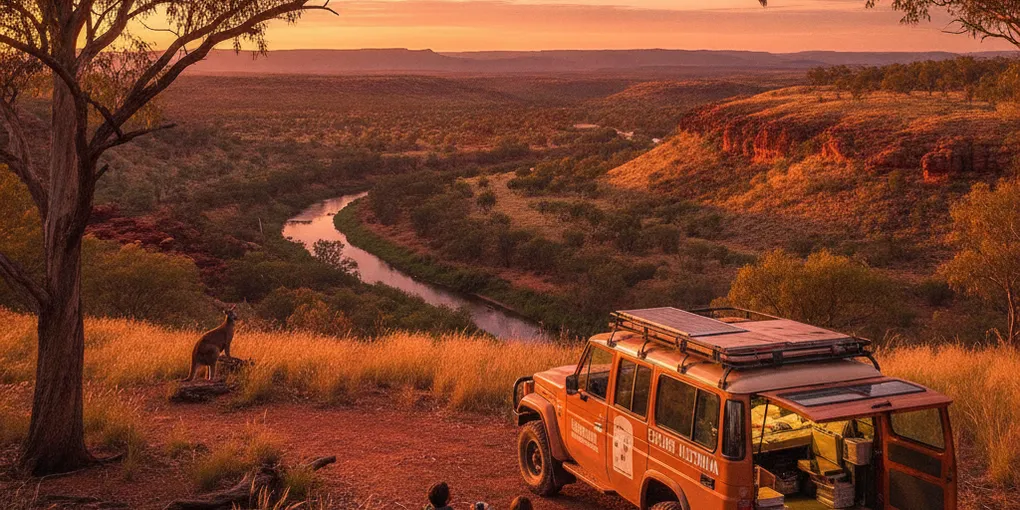
The Big Lap Reimagined: Navigating Australia’s Ultimate Road Trip in the Modern Era
Ah, the Big Lap. Just the mention of it conjures images of endless highways, sun-drenched coastlines, rugged outback adventures, and starry nights so bright they steal your breath. It’s the ultimate Australian dream – a circumnavigation of our magnificent continent, a journey into the heart and soul of this incredible country.
But let’s be real: the “Big Lap” isn’t what it used to be. While the iconic route remains, the way we travel has evolved. Modern adventurers are seeking deeper connections, more sustainable practices, ultimate flexibility, and ways to bring their entire ‘family’ – furry friends included! If you’ve been dreaming of embarking on this epic journey, now is the time to reimagine your Big Lap for the modern era.
The Call of the Wild: Embracing Sustainable & Off-Grid Adventures
One of the most significant shifts in travel is a heightened awareness for our planet. The Big Lap offers unparalleled opportunities to connect with nature, and with that comes a responsibility to protect it.
- Leave No Trace: This isn’t just a suggestion; it’s a mantra for the modern Big Lapper. Pack out everything you pack in, stick to designated tracks, and respect wildlife.
- Eco-Friendly Camping: Seek out national parks with eco-certification, utilise solar power for your rig, and conserve water – especially in arid regions.
- Support Local, Sustainable Businesses: From farmers’ markets to eco-tours, choose operators who prioritise environmental stewardship and give back to their communities.
Beyond sustainability, the allure of truly getting away from it all is stronger than ever. The Big Lap is your ticket to untouched wilderness.
- Remote Work & Connectivity: While you’ll crave disconnection, modern tech allows for strategic connectivity. Satellite phones, Starlink, or boosted 4G signals can keep you in touch when needed, enabling you to embrace longer stints off-grid without feeling completely isolated.
- Self-Sufficiency is Key: Invest in reliable water filtration, sufficient power storage, and comprehensive recovery gear. The deeper you go, the more you rely on yourself.
Your Furry Co-Pilot: Pet-Friendly Big Lapping
For many Australians, our pets are family. The thought of leaving them behind for months on end is unthinkable! Good news: the Big Lap can absolutely be a pet-friendly adventure, provided you plan meticulously.
- Research is Paramount: Not all national parks allow pets, and restrictions vary between states. Before you even set off, map out pet-friendly campsites, accommodation, and attractions.
- Health & Safety First: Ensure your pet is up-to-date on vaccinations, has adequate flea/tick/worming protection, and is microchipped with current details. Pack a pet first-aid kit and know where the nearest vets are along your route.
- Comfort & Routine: Maintain as much of your pet’s routine as possible. Provide a comfortable, safe space in your vehicle and campsite. Regular exercise and mental stimulation are crucial.
- Heat Management: Australia gets HOT. Never leave your pet unattended in a vehicle, and always ensure access to shade and plenty of fresh water.
Work-Life-Adventure Balance: The Digital Nomad’s Dream
The rise of remote work has transformed the Big Lap from a ‘someday’ retirement plan into a ‘right now’ reality for many. If your job allows, why not take your office on the road?
- Reliable Power Solutions: Solar panels, deep-cycle batteries, and inverters are your best friends. Keep your laptops, cameras, and devices charged.
- Internet On The Go: While tempting to completely disconnect, most digital nomads need reliable internet. Portable Wi-Fi devices, satellite internet (like Starlink), and mobile signal boosters can be game-changers in remote areas.
- Flexible Itinerary: Don’t overschedule. Allow for spontaneous detours, unexpected extended stays in places you love, and ample time to balance work with exploration. The beauty of the Big Lap is its inherent freedom.
- Designated Workspace: Even in a small caravan or camper, designate a spot for work to maintain focus and differentiate between work and relaxation time.
Budget-Conscious Exploration: Making Your Dollars Go Further
With rising costs, smart budgeting is more important than ever. The Big Lap doesn’t have to break the bank.
- Free Camping & Low-Cost Sites: Utilise apps like WikiCamps Australia to find free or low-cost campsites, often in stunning locations.
- Cook Your Own Meals: Eating out constantly adds up. Invest in a good camp kitchen setup and enjoy fresh, home-cooked meals under the stars. Support local butchers and grocers as you pass through towns.
- Fuel Efficiency: Plan your routes to minimise backtracking and consider the fuel efficiency of your vehicle. Keep an eye on fuel prices using apps.
- Experience Over Expenditure: Focus on free or low-cost activities like hiking, swimming, beach exploration, and stargazing. The best experiences on the Big Lap are often the ones that cost nothing.
Ready to Roll? Your Big Lap Awaits!
The Big Lap is more than just a drive; it’s an education, an adventure, and often, a transformative experience. By embracing modern travel trends – sustainability, pet-friendliness, digital flexibility, and smart budgeting – you can craft a journey that is not only unforgettable but also deeply personal and responsible.
So, what are you waiting for? Start mapping your route, servicing your rig, and dreaming big. The open road of Australia is calling, ready to reveal its endless wonders to you.
Frequently Asked Questions (FAQ)
How long does the Big Lap typically take?
The duration of the Big Lap varies greatly depending on your pace and desired experiences. While some determined travellers complete it in 3-4 months, most recommend at least 6-12 months to truly explore and avoid rushing. Many even stretch it over several years, enjoying extended stays in their favourite regions.
What’s the ideal vehicle for an Australian Big Lap adventure?
The ideal vehicle depends on your budget, comfort preferences, and the type of roads you plan to tackle. A 4x4 vehicle with a caravan or camper trailer offers the most versatility, allowing you to access remote tracks and national parks. However, many successfully complete the lap in a 2WD towing a smaller van, or in a fitted-out campervan, sticking mostly to sealed roads. Reliability and self-sufficiency are key, regardless of your choice.
Can I do the Big Lap on a budget, and how much should I expect to spend?
Yes, absolutely! The Big Lap can be tailored to various budgets. Costs can range from $500 to $2000+ per week, with an average often sitting around $1000-$1200 per week for a couple. Major expenses include fuel, food, accommodation (campsites/caravan parks), and activities. To save money, prioritise free camping, cook your own meals, and seek out free nature-based activities. Planning ahead for fuel stops and leveraging discount passes for attractions can also help.
Is the Big Lap pet-friendly?
Yes, the Big Lap can be a fantastic adventure with your pets, but it requires significant planning. Many national parks and some tourist attractions do not allow pets, so you’ll need to research pet-friendly alternatives, campgrounds, and accommodation well in advance. Always ensure your pet’s vaccinations are current, they are microchipped, and you have adequate provisions for their health and safety, especially in hot conditions.
What’s the best time of year to embark on the Big Lap?
The best time to do the Big Lap involves strategic timing to avoid extreme weather. Generally, it’s recommended to travel clockwise or anti-clockwise to “follow the sun.” For a clockwise lap (starting from the east coast), you’d head north during the cooler southern months (April-May) to enjoy the tropical north’s dry season, then south through WA as summer approaches. Anti-clockwise would mean heading south first during the northern wet season. Ultimately, you’ll want to avoid the scorching summer heat in the Red Centre and northern WA, and the wet season in the Top End.