Unleash Your Inner Explorer: The Modern Big Lap of Australia Awaits!
Discover how the iconic Big Lap of Australia has evolved! From sustainable adventures to digital nomad tips, learn to plan your epic, unforgettable road trip Down Under.
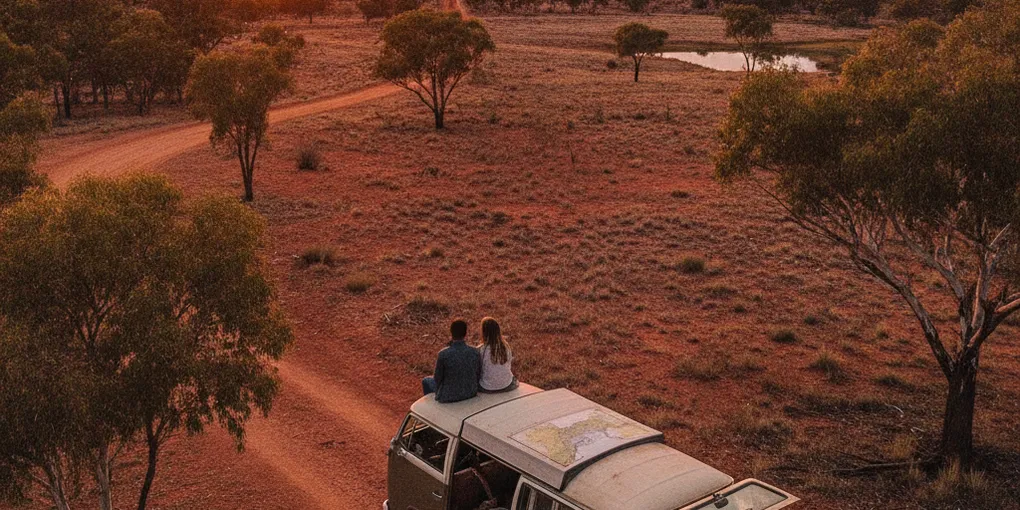
The Big Lap: More Than Just a Drive, It’s a Lifestyle Revolution!
G’day, fellow adventurers! If you’ve been dreaming of the quintessential Aussie road trip, chances are the “Big Lap” has crossed your mind. Circling this magnificent continent, it’s an iconic journey that promises breathtaking landscapes, unique wildlife, and unforgettable cultural encounters. But let’s be real, the Big Lap of today isn’t just about hitting the highway in an old Holden and a tent. It’s evolved, transformed by technology, a newfound appreciation for slow travel, and a burning desire for authentic, sustainable experiences.
Welcome to the Modern Big Lap – an adventure perfectly tailored for the new generation of wanderers, digital nomads, and eco-conscious explorers!
Why NOW is the Perfect Time for Your Epic Australian Road Trip
Current travel trends aren’t just fads; they’re shaping how we explore, and Australia’s vastness is the ultimate canvas for these shifts.
1. The Rise of the Remote Office on Wheels
Forget the cubicle! With the boom in remote work and reliable connectivity solutions like Starlink, taking your job on the road is not just a pipe dream – it’s a reality. Imagine finishing a work call overlooking a pristine beach in Queensland, or sending emails from a campsite deep in the Kimberley. The Big Lap has become the ultimate backdrop for the digital nomad lifestyle, offering freedom without sacrificing your career.
2. Sustainable Wanderlust: Treading Lightly Down Under
There’s a growing conscience among travellers, and rightfully so. The modern Big Lapper is keenly aware of their environmental footprint. This means embracing responsible camping practices, supporting local Indigenous tourism initiatives, choosing eco-certified operators, and minimising waste. It’s about leaving nothing but footprints and taking nothing but memories (and maybe some epic photos!). The true beauty of Australia lies in its pristine nature, and we all want to keep it that way.
3. Beyond the Highway: Immersive Experiences Await
The Big Lap is no longer just about ticking off capital cities. Today’s traveller craves deeper connections. This means:
- Indigenous Cultural Experiences: Learning from the oldest living culture on Earth, participating in bush tucker tours, or hearing Dreamtime stories under a starlit sky.
- Foodie Trails: Discovering regional delights, fresh seafood straight from the ocean, or sampling local wines in unexpected places.
- Wellness Retreats: Incorporating moments of mindfulness, yoga in nature, or simply disconnecting to reconnect with yourself amidst stunning landscapes.
- Adventure & Adrenaline: From surfing epic breaks to hiking ancient gorges, kayaking tranquil rivers, or diving the Great Barrier Reef – the Big Lap is your playground.
4. The Pet-Friendly Revolution
For many, their furry friends are family, and leaving them behind is simply not an option. The Big Lap has seen a huge increase in pet-friendly resources, from caravan parks to designated dog beaches and cafes. While national parks remain off-limits for pets, smart planning allows for an incredible journey with your four-legged companion by your side.
Planning Your Modern Big Lap: Key Considerations
Embarking on this epic journey requires preparation, but it doesn’t have to be overwhelming.
- Vehicle Choice: 4WD campervans, off-road caravans, or well-equipped touring vehicles are popular choices, offering comfort and the ability to venture off the beaten track. Consider solar setups, reliable water storage, and battery management for extended off-grid stays.
- Budgeting: While Australia can be expensive, smart budgeting, utilizing free camps (like those found on WikiCamps), cooking most of your meals, and travelling in the shoulder seasons can significantly reduce costs.
- Timing is Everything: Avoid the peak heat of the northern wet season (Nov-April) and plan your trip to follow the good weather. Typically, most travellers head north in winter and south in summer.
- Connectivity: Research mobile coverage (Telstra generally has the best rural coverage) and consider a Starlink setup for reliable internet access in remote areas, crucial for digital nomads.
- Safety First: Always carry extra water, fuel, and a reliable communication device (satellite phone or personal locator beacon) when heading into remote regions. Inform someone of your itinerary.
Embrace the Big Lap Lifestyle
The beauty of the Big Lap isn’t just in the destinations; it’s in the journey itself. It’s waking up to a different view every day, the camaraderie with fellow travellers, the unexpected detours, and the incredible sense of freedom. It’s a chance to slow down, breathe in the fresh air, and rediscover what truly matters.
So, are you ready to trade your daily commute for a dirt track, your office wall for an endless horizon, and your routine for the adventure of a lifetime? The Modern Big Lap is calling!
Frequently Asked Questions (FAQ)
How long does it take to complete the Big Lap of Australia?
The ideal duration for the Big Lap is typically between 6 to 12 months. While it can be done faster, taking a minimum of 6 months allows you to properly immerse yourself in each region, avoid rushing, and enjoy the diverse experiences Australia offers. Many modern travellers opt for 12+ months, embracing slow travel and leveraging remote work opportunities.
What’s the best vehicle for a Big Lap adventure?
The “best” vehicle depends entirely on your travel style and budget. Popular choices include:
- 4WD & Caravan/Camper Trailer: Offers comfort, a ‘base camp,’ and the ability to tackle rougher roads with the 4WD.
- 4WD & Pop-top Camper: A good balance of off-road capability and compact living.
- Campervan/Motorhome: Ideal for easier driving, setup, and those who prefer sealed roads and caravan parks.
- Customised Van (Van Life): Increasingly popular for solo travellers or couples, offering flexibility and a unique, minimalist experience. Consider fuel efficiency, off-road capability, sleeping arrangements, and self-sufficiency (solar, water storage) when making your choice.
Is it expensive to do the Big Lap of Australia?
The cost of the Big Lap varies greatly depending on your travel style. While Australia can be an expensive country, you can control costs by:
- Accommodation: Utilising free and low-cost campgrounds (e.g., via WikiCamps) instead of always staying in caravan parks.
- Food: Cooking most of your meals rather than eating out regularly.
- Fuel: A significant expense; plan your routes efficiently and factor in current prices.
- Activities: Prioritising free natural attractions and being selective with paid tours. A rough estimate can range from AUD $1,000 - $2,500+ per week for a couple, depending on your vehicle, comfort level, and pace. Many budget-conscious travellers manage on less.
Can I work remotely while travelling around Australia on the Big Lap?
Absolutely! With advancements in technology, working remotely while doing the Big Lap is more feasible than ever. Key considerations include:
- Internet Connectivity: Telstra generally offers the best coverage in regional areas, but mobile reception can still be patchy. A portable modem (like a 4G/5G hotspot) with an external antenna can help. Starlink (satellite internet) has become a game-changer for reliable internet in very remote locations.
- Power: Ensure you have a robust solar setup and battery system to power your devices independently.
- Dedicated Workspace: Designate a comfortable, ergonomic space in your vehicle for work.
- Time Zones: Be mindful of Australia’s three main time zones when scheduling calls.
What about phone reception and internet access in remote areas of Australia?
While major towns and popular tourist routes generally have decent mobile phone and internet reception (primarily via Telstra, Optus, and Vodafone), coverage quickly diminishes in remote and outback areas.
- Telstra: Generally offers the widest coverage, especially in regional and rural areas. An external antenna and mobile booster can significantly improve reception.
- Starlink: For truly remote locations and reliable internet, Starlink (satellite internet) has become an invaluable tool for many Big Lappers and digital nomads, offering high-speed connectivity almost anywhere.
- Satellite Phones/PLBs: For critical communication and safety in extremely remote areas where no mobile or internet is available, a satellite phone or a Personal Locator Beacon (PLB) is highly recommended.